
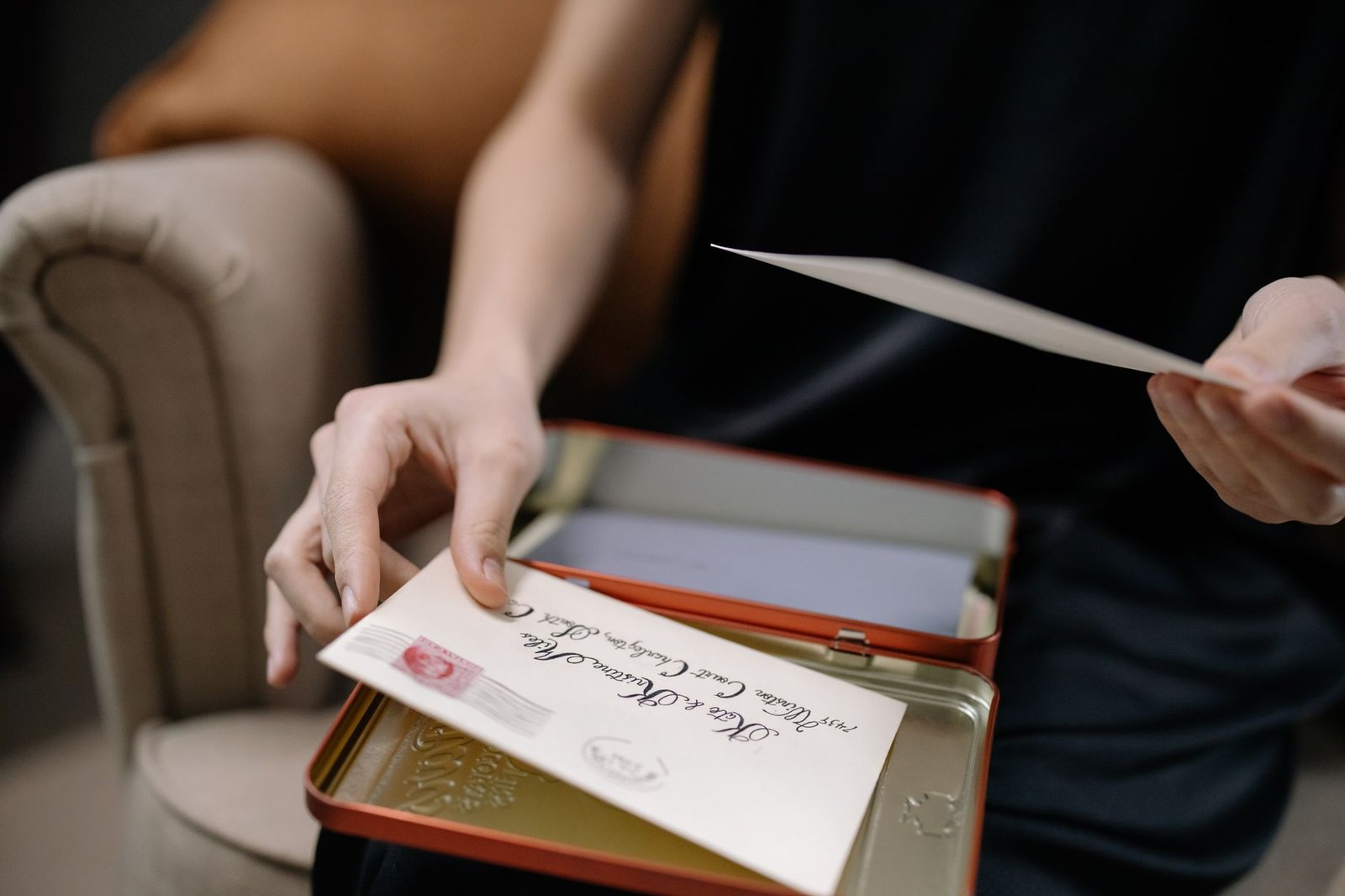
Preserving cherished memories and sentimental items requires a strategic approach, with acid-free and archival-safe storage solutions being paramount. In 2026, the optimal choice for safeguarding these irreplaceable artifacts often involves a blend of advanced material science, sustainable practices, and thoughtful environmental control, moving beyond conventional methods to embrace innovations in polymer stability and humidity regulation. The best solutions prevent degradation from acidic breakdown and environmental factors, ensuring longevity for generations. The resident seeking to protect heirlooms will find contemporary options that offer enhanced protection and environmental responsibility.
Understanding Acid-Free and Archival Standards in 2026
Before selecting specific products, it is essential to comprehend the definitions of ‘acid-free’ and ‘archival-safe,’ as these terms are the cornerstones of long-term preservation. An item designated as acid-free typically possesses a neutral pH level of 7.0 or higher. The presence of acidity is a primary culprit in the deterioration of paper, photographs, and textiles, causing yellowing, brittleness, and fading over time. Many common storage materials, including standard cardboard boxes and paper envelopes, are inherently acidic.
Archival-safe, however, encompasses a broader set of criteria. While all archival materials are acid-free, they also incorporate additional properties to ensure chemical inertness and stability over extended periods. This includes being lignin-free, as lignin, a component in wood pulp, breaks down to form acids. Archival materials are often buffered with an alkaline substance, such as calcium carbonate, to neutralize any acids that might form within the storage environment or migrate from stored items. Furthermore, they must be free of harmful coatings, dyes, or plasticizers that could off-gas and damage artifacts.
For photographic materials, the Photographic Activity Test (PAT) standard (ISO 18916) remains a critical benchmark in 2026. Products that pass the PAT are confirmed not to cause fading, staining, or degradation when in direct contact with photographs. The homeowner should always look for this certification when storing photographic prints, negatives, or slides, as it represents the highest level of assurance for sensitive emulsions.
Leading Acid-Free Storage Solutions and Modern Innovations for 2026
The landscape of archival storage continues to evolve, with 2026 offering sophisticated solutions tailored for diverse sentimental items. Material science advancements have led to products that combine durability, protective qualities, and improved environmental profiles.
Archival Boxes and Containers
- Museum-Quality Corrugated Board: Still a gold standard, these boxes are constructed from lignin-free, buffered materials that meet rigorous archival standards. Available in various sizes, they are ideal for documents, textiles, and miscellaneous keepsakes. In 2026, many manufacturers are incorporating a higher percentage of certified recycled content without compromising archival integrity.
- Advanced Composite Materials: Newer options include composite boards that integrate bio-based polymers with traditional cellulose fibers. These offer enhanced moisture resistance and structural stability while maintaining pH neutrality, making them suitable for environments with minor temperature fluctuations.
- Modular and Stackable Designs: The trend in 2026 leans towards modular systems that allow for efficient use of space and easy organization. These often feature reinforced corners and ergonomic handles for safe handling and retrieval.
Archival Sleeves and Enclosures
- Polyester (Mylar D): Renowned for its exceptional clarity, strength, and chemical inertness, polyester film sleeves remain a top choice for individual documents, photographs, and artwork. It is stable and will not degrade or transfer harmful chemicals.
- Polypropylene (BOPP): Widely used for photo pages and card sleeves, polypropylene is a stable, clear plastic that is acid-free and offers good protection. Newer formulations in 2026 are thinner yet more durable, reducing bulk in albums.
- Eco-Friendly Cellulose Acetate Alternatives: Research continues into sustainable alternatives to traditional plastics. Some manufacturers are introducing advanced cellulose-based films that offer comparable archival properties to polyester but are derived from renewable resources, aligning with contemporary sustainability goals.
Specialized Storage for Textiles and Memorabilia
- Unbuffered Cotton Muslin: For delicate textiles like silk, wool, and natural fibers, unbuffered cotton muslin bags and boxes are preferred. Buffering agents can react with protein-based fibers.
- Buffered Archival Tissue: Used for interleaving or wrapping other textiles and items to prevent abrasion and provide a protective pH-neutral barrier. The 2026 market offers softer, more pliable versions of this tissue.
- Breathable Fabric Boxes: For larger textiles, garment boxes made from breathable, acid-free fabrics like Tyvek or specialized polyester blends allow air circulation, which is crucial for preventing mildew while protecting from dust and pests.
Environmental Control and Best Practices for Long-Term Preservation
Selecting the correct storage materials is only one part of the preservation equation. The storage environment itself plays a critical role in safeguarding sentimental items.
Temperature and Humidity Management
The ideal storage environment is a stable, cool, and dry space. Significant fluctuations in temperature and relative humidity (RH) are highly damaging, causing materials to expand and contract, leading to cracking, warping, and accelerating chemical degradation. A consistent temperature between 65-70°F (18-21°C) and RH between 45-55% is recommended. The homeowner can utilize hygrometers and thermometers to monitor these conditions, with smart home systems in 2026 offering integrated environmental tracking and alerts.
Light Exposure
Direct sunlight and even indirect artificial light can cause irreversible fading and deterioration. Stored items should be kept in dark, enclosed spaces, such as closets, archival boxes, or cabinets. If an item is on display, consideration should be given to UV-filtering glass or acrylic to mitigate light damage, though complete darkness is always superior for long-term preservation.
Cleanliness and Handling
Maintaining a clean storage area is crucial. Dust, dirt, and pollutants can abrade surfaces and introduce damaging particles. When handling precious items, especially photographs and delicate papers, the use of clean cotton gloves is advisable to prevent transferring oils and acids from skin. Work surfaces should be clean and clear, providing adequate space for safe handling.
Organization and Documentation
A well-organized system with clear labeling simplifies access and reduces unnecessary handling. Creating an inventory, either physical or digital, with details about each item, its condition, and its location, is an invaluable practice. This systematic approach ensures that cherished memories can be easily found and retrieved when desired, minimizing the risk of damage during searches.
The Complementary Role of Digital Archiving in 2026
While physical preservation is paramount for tangible items, digital archiving serves as a vital complement. High-resolution scanning of photographs, documents, and even small artifacts creates a backup and allows for sharing without exposing the original to risk. In 2026, advanced scanning technologies and cloud storage solutions offer robust options for digital preservation.
- High-Resolution Scanning: Use professional-grade scanners to capture images at high DPI (dots per inch), ensuring clarity and detail.
- File Formats: Store digital files in stable, non-proprietary formats like TIFF or JPEG 2000 for long-term accessibility.
- Multiple Backups: Implement a robust backup strategy, utilizing external hard drives, cloud storage, and potentially archival-grade optical media, to guard against data loss.
By integrating these advanced acid-free storage solutions, maintaining vigilant environmental control, and employing smart digital archiving practices, the homeowner in 2026 can confidently safeguard sentimental items, ensuring that their stories and memories endure for future generations.