
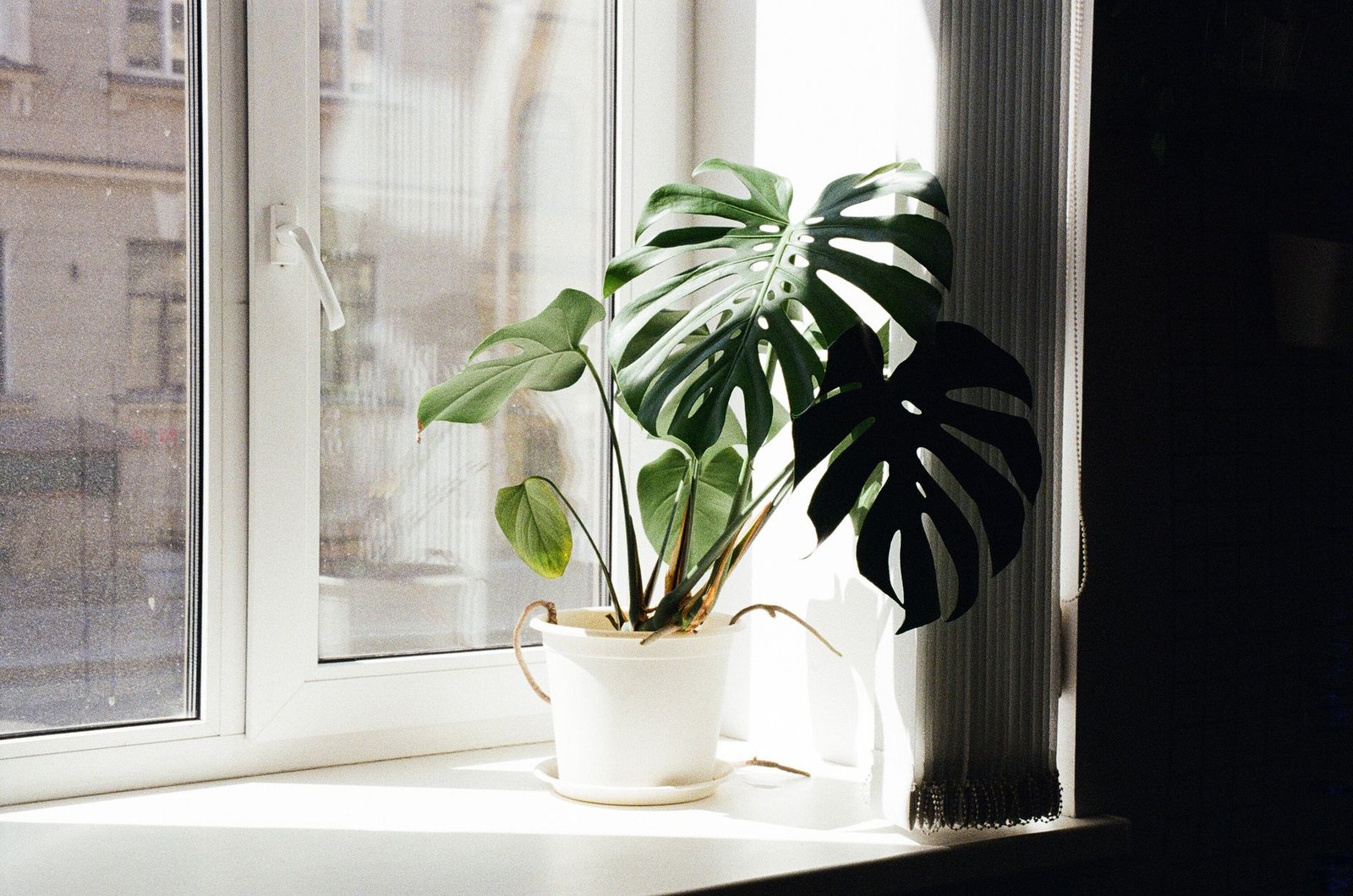
In 2026, the modern home transcends mere shelter, evolving into a sanctuary optimized for wellness and comfort. A cornerstone of this evolution involves integrating nature indoors, where specific plant species not only enhance aesthetic appeal but significantly improve indoor air quality and psychological well-being. This article identifies eight exceptional indoor plants renowned for their air-purifying capabilities and positive mood-boosting effects, offering residents actionable guidance on their care and optimal placement within contemporary living spaces.
The 2026 Home Wellness Revolution: Integrating Biophilic Design
Beyond Aesthetics: The Science of Clean Air
The quest for cleaner indoor environments has intensified in 2026, driven by advancements in smart home air quality monitoring systems that reveal the pervasive presence of Volatile Organic Compounds (VOCs). These airborne pollutants, originating from common household items like furniture, cleaning products, and building materials, pose significant health risks. Fortunately, indoor plants act as natural biofilters, adeptly absorbing these harmful substances through their leaves and roots. With many new construction materials in 2026 focusing on low-VOC emissions, the complementary role of plants ensures an even purer atmosphere, working synergistically with advanced ventilation systems.
Psychological Uplift: The Mood-Boosting Benefits
Beyond their chemical cleansing prowess, indoor plants are powerful agents of domestic comfort and mental well-being. The integration of greenery, a principle known as biophilic design, is increasingly recognized for its ability to reduce stress, improve concentration, and foster a deeper connection to nature. For the resident navigating the complexities of modern life, the presence of thriving plants offers a sense of calm, vibrancy, and a subtle yet profound uplift in mood. Studies continue to highlight how visual access to natural elements can decrease cortisol levels and enhance cognitive function, making plant integration a vital component of holistic home design in 2026.
Top 8 Air-Purifying and Mood-Enhancing Plants for 2026 Homes
Selecting the right plants involves considering both their functional benefits and their adaptability to indoor conditions. The following species are celebrated for their efficacy and ease of care, making them ideal choices for the contemporary homeowner.
1. Snake Plant (Sansevieria trifasciata)
- Key Benefits: Exceptional at removing benzene, formaldehyde, trichloroethylene, and xylene from the air. Uniquely, it converts carbon dioxide into oxygen at night, making it ideal for bedrooms. Highly drought-tolerant and requires minimal attention.
- Care Tips: Thrives in low to bright indirect light. Water sparingly, allowing the soil to dry out completely between waterings. Use a well-draining potting mix.
- Ideal Placement: Bedrooms, living rooms, or any area where robust air purification is desired, especially beneficial for spaces with modern furniture off-gassing.
2. ZZ Plant (Zamioculcas zamiifolia)
- Key Benefits: Known for its resilience and air-purifying capabilities, removing toxins like xylene, toluene, and benzene. Its glossy, dark green leaves add a touch of sophisticated elegance.
- Care Tips: Extremely low maintenance; tolerates low light and prolonged periods of drought. Water deeply but infrequently.
- Ideal Placement: Offices, hallways, or areas with limited natural light. Its sculptural form is perfect for minimalist 2026 interiors.
3. Pothos (Epipremnum aureum)
- Key Benefits: A versatile and easy-to-grow trailing plant that effectively filters formaldehyde, benzene, and carbon monoxide. Its cascading vines contribute to a lush, tranquil atmosphere.
- Care Tips: Adapts to various light conditions, from low to bright indirect. Water when the top few inches of soil feel dry.
- Ideal Placement: Hanging baskets, shelves, or as part of a vertical garden feature, particularly effective in kitchens or garages where carbon monoxide might be present.
4. Spider Plant (Chlorophytum comosum)
- Key Benefits: One of the most common and effective air purifiers, targeting formaldehyde, xylene, and carbon monoxide. Produces ‘spiderettes’ that can be propagated, offering a continuous source of new plants.
- Care Tips: Prefers bright, indirect light and consistent moisture. Avoid overwatering.
- Ideal Placement: Children’s rooms, offices, or anywhere an accessible and highly effective air filter is beneficial.
5. Peace Lily (Spathiphyllum)
- Key Benefits: Elegant and striking, this plant is excellent at removing a broad spectrum of indoor air pollutants, including benzene, formaldehyde, trichloroethylene, and ammonia. Its white spathes add visual interest and serenity.
- Care Tips: Prefers medium to low light and consistent moisture; wilting leaves are a clear sign of thirst.
- Ideal Placement: Bathrooms, living areas, or offices. It thrives in humid conditions, complementing modern spa-like bathroom designs.
6. Dracaena (Dracaena deremensis ‘Janet Craig’)
- Key Benefits: A robust foliage plant known for its ability to filter benzene, formaldehyde, trichloroethylene, and xylene from the air. Its upright growth pattern makes it an excellent choice for adding vertical interest.
- Care Tips: Tolerates a range of light conditions but prefers medium to bright indirect light. Water thoroughly, allowing the top soil to dry out between waterings.
- Ideal Placement: Corners of rooms, alongside tall smart furniture, or in areas with new carpets or paint.
7. Boston Fern (Nephrolepis exaltata ‘Bostoniensis’)
- Key Benefits: Renowned for its exceptional ability to remove formaldehyde and xylene, while also acting as a natural humidifier. Its lush, feathery fronds bring a classic, natural aesthetic.
- Care Tips: Requires consistent moisture and high humidity. Prefers bright, indirect light. Misting regularly or using a pebble tray is often necessary.
- Ideal Placement: Bathrooms, kitchens, or any space benefiting from increased humidity and effective air purification. Modern smart humidifiers can complement its needs.
8. Aloe Vera (Aloe barbadensis miller)
- Key Benefits: Beyond its well-known medicinal properties, Aloe Vera is an excellent air purifier, actively working to clear the air of formaldehyde and benzene, common by-products of chemical-based cleaners.
- Care Tips: Thrives in bright, direct light. Requires infrequent watering, allowing the soil to dry completely between waterings.
- Ideal Placement: Kitchen windowsills or sunny living areas, readily accessible for its topical uses while purifying the air.
Optimizing Plant Placement and Care in 2026
The efficacy and longevity of indoor plants are significantly enhanced through informed placement and contemporary care practices.
Smart Home Integration and Environmental Control
In 2026, smart home ecosystems offer unparalleled support for plant care. Automated lighting systems can simulate natural light cycles, providing optimal light spectrums even in less sunny rooms. Advanced humidity sensors connected to smart humidifiers ensure ideal moisture levels for humidity-loving plants like the Boston Fern. Furthermore, integrated irrigation systems with moisture sensors can deliver precise watering schedules, reducing effort and preventing common over/under-watering issues. Sustainable potting materials, including recycled bioplastics and innovative biodegradable composites, are also becoming standard, aligning with eco-conscious homeowner values.
Potting Mediums and Nutrient Delivery
Modern plant care emphasizes soil health and efficient nutrient delivery. Enhanced potting mixes, often featuring coco coir, perlite, and slow-release organic fertilizers, provide optimal drainage and sustained nutrition, minimizing the need for frequent feeding. Hydroponic systems, particularly self-watering planters, have gained traction for their low maintenance and efficient water use, appealing to the busy resident. These innovations ensure plants receive consistent care with minimal intervention from the homeowner.
Maximizing Impact: Strategic Placement
Strategic placement maximizes both the air-purifying and mood-enhancing benefits of indoor plants. Locating plants near known sources of pollutants – such as a Dracaena near new furniture or a Peace Lily in a freshly painted room – can effectively mitigate off-gassing. Placing plants in high-traffic areas like living rooms or entryways ensures broader exposure to their mood-boosting qualities. Considerations for natural light, ambient temperature, and airflow (avoiding direct drafts from modern HVAC systems) are crucial for fostering a thriving indoor jungle.
Conclusion
Embracing indoor plants as integral components of home design in 2026 is a testament to a growing understanding of holistic wellness. The eight plants highlighted offer a powerful combination of air purification and psychological uplift, transforming living spaces into healthier, more comfortable, and aesthetically pleasing environments. For the discerning resident, these green companions are not merely decorations but essential partners in cultivating a home that truly breathes and rejuvenates, aligning perfectly with the evolving standards of domestic comfort and environmental consciousness.