
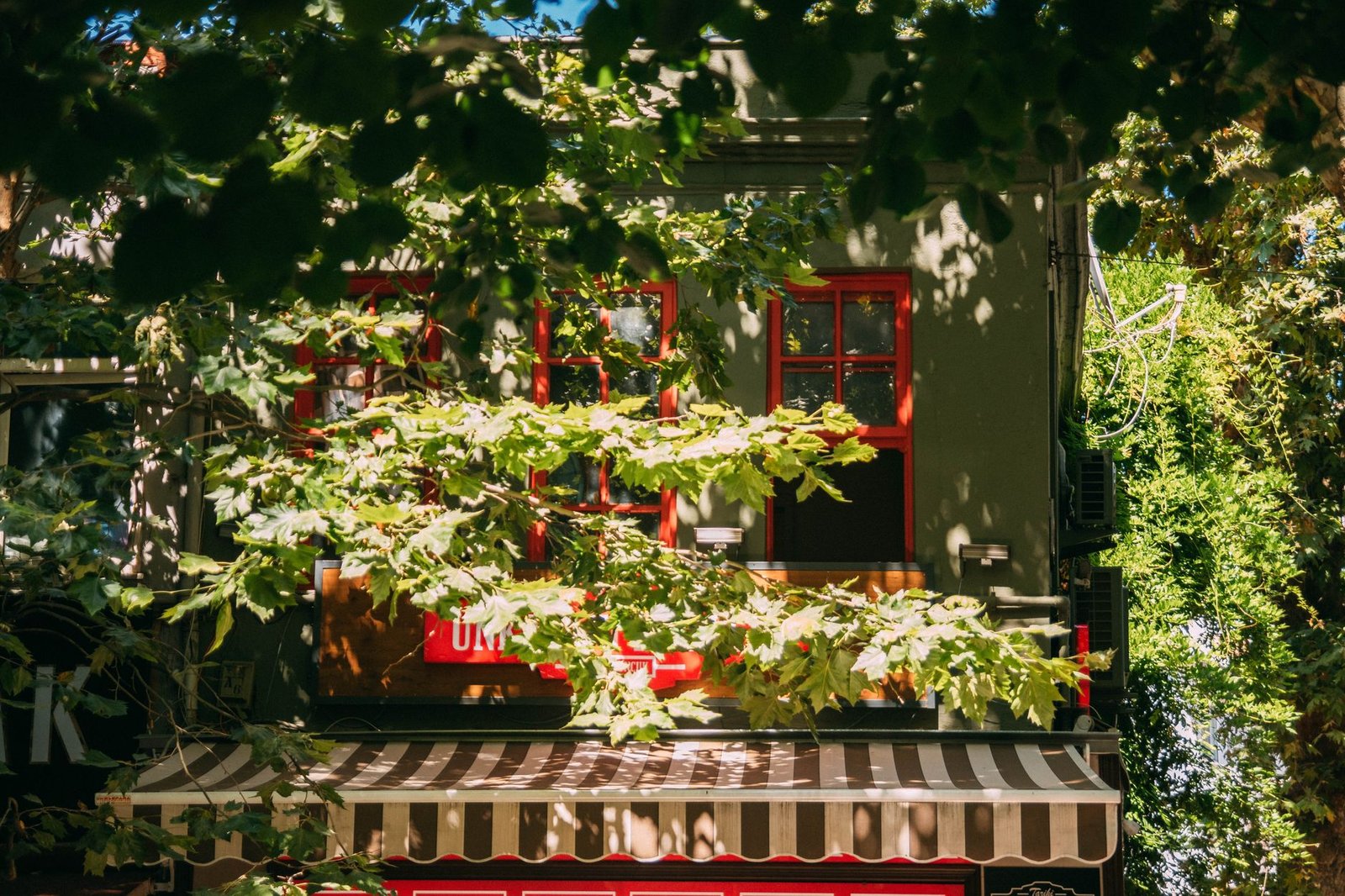
Determining the precise cost to install a retractable awning on a patio in 2026 involves a range of factors, with typical expenses for a complete installation falling between $2,500 and $7,500. While standard manual systems for smaller spaces might begin around $1,500, premium motorized or smart-integrated options for larger patios can ascend to $15,000 or more, including specialized installation. This article dissects the various elements influencing these costs, providing homeowners with a comprehensive budgeting guide for an enhanced outdoor living experience in the current year.
Understanding Retractable Awning Costs in 2026
The investment in a retractable awning offers significant benefits, from UV protection and shade to energy savings and increased patio usability. However, the initial outlay is highly variable, dictated by several critical components.
Initial Investment Range
For a basic, manually operated retractable awning designed for a modest patio (e.g., 10×8 feet), the total installed cost typically starts around $1,500 to $3,000. Mid-range motorized systems for larger areas (e.g., 15×10 feet) often land between $4,000 and $7,000. High-end, custom-sized, or smart-home integrated awnings with advanced features for expansive patios (e.g., 20×12 feet or larger) can command prices from $8,000 to over $15,000. These figures encompass both the product and professional installation services.
Key Cost-Influencing Factors
- Awning Type and Mechanism: The operational mechanism is a primary cost driver.Manual crank awnings represent the most economical choice. Motorized awnings, activated by a remote control or wall switch, introduce convenience and a higher price point. For 2026, smart-home integrated systems are gaining significant traction, allowing control via smartphone apps, voice commands, or automated routines synced with local weather data. These premium systems leverage Wi-Fi 7, Matter, and Thread standards for seamless integration and carry the highest cost.
- Size and Projection: Logically, larger awnings requiring more material for both fabric and frame will incur greater costs. Custom-sized units, often necessary for unique architectural spaces, are more expensive than standard dimensions. The projection (how far the awning extends) also impacts material usage and structural requirements.
- Fabric Materials: Fabric choice significantly affects durability, appearance, and cost. Solution-dyed acrylic remains a popular, robust option, offering excellent fade and mildew resistance. For 2026, advancements include woven synthetic blends with enhanced performance characteristics such as self-cleaning coatings, superior water repellency, and even micro-integrated solar cells that can power small sensors or LED lighting. These cutting-edge fabrics provide long-term value but increase the initial investment.
- Frame Materials: The frame’s construction is crucial for stability and longevity. Powder-coated aluminum is the industry standard, offering a balance of strength, corrosion resistance, and aesthetics. Stainless steel frames are a premium option, particularly in coastal or high-moisture environments, providing exceptional durability but at a higher cost.
- Mounting Location and Complexity: A standard wall mount directly onto a sturdy exterior wall is typically the most straightforward and least expensive installation. More complex scenarios, such as roof mounts, fascia mounts, or soffit mounts, may necessitate specialized brackets, flashing to prevent water intrusion, or even structural reinforcement, all of which add to labor and material costs. Installations on second stories or irregular surfaces further increase complexity.
- Brand and Warranty: Established brands with a reputation for quality and comprehensive warranties often have higher price points. However, the assurance of product longevity, performance, and responsive customer service can justify the additional expense. Homeowners should prioritize brands offering extended warranties on both fabric and frame components.
- Optional Features and Smart Technology (2026 Trends): Modern retractable awnings can be equipped with a suite of enhancements. This includes integrated LED lighting for evening ambiance, wind and sun sensors that automatically retract or extend the awning based on weather conditions, and even infrared heaters for cooler evenings. The trend towards AI-driven environmental sensing allows for predictive adjustments, optimizing shade and energy efficiency without resident intervention. Each added feature contributes to the overall cost.
Installation Labor and Professional Services
Beyond the product itself, the labor involved in professional installation constitutes a significant portion of the total cost. This aspect ensures proper functionality, safety, and adherence to building codes.
Labor Costs
Installation labor rates vary geographically and based on the complexity of the project. Typically, installation costs range from $500 to $2,000+. This includes the site assessment, precise measurements, professional mounting of the frame and fabric, electrical wiring for motorized units, programming of smart features, and comprehensive testing. Projects requiring specialized equipment like lifts or scaffolding due to height or difficult access will incur higher labor expenses.
Permits and Structural Assessments
In certain jurisdictions, especially for larger awnings or those requiring significant structural attachment, a building permit may be necessary. The cost of permits is typically modest but adds to the overall project expense. For older homes or those with uncertain structural integrity, a structural engineer’s assessment may be recommended or required, ensuring the existing structure can safely support the awning’s weight and wind loads. Such consultations add to the pre-installation costs.
Choosing an Installer
The selection of a qualified installer is paramount. Homeowners should seek professionals with extensive experience in retractable awning installation, ideally those who are certified by leading manufacturers. Obtaining multiple quotes, reviewing portfolios, and verifying insurance and licensing are crucial steps in ensuring a high-quality, safe installation. An expert installer can also advise on optimal placement for maximum shade and functionality.
Long-Term Value and Return on Investment
While the initial cost of a retractable awning is a primary consideration, its long-term benefits contribute significantly to its overall value proposition.
Energy Savings
A well-positioned retractable awning can dramatically reduce solar heat gain inside a home, especially during peak summer months. By blocking direct sunlight from entering windows and glass doors, it can lower air conditioning demands, leading to tangible energy bill savings over time. Modern fabrics are engineered to maximize this reflective and insulative effect.
Enhanced Outdoor Living
An awning transforms an exposed patio into a comfortable, shaded oasis, significantly increasing the usable outdoor living space. Residents can enjoy outdoor dining, relaxation, or entertainment without exposure to harsh sun or light rain, thereby maximizing the investment in their outdoor environment.
Maintenance Considerations
Modern retractable awnings are designed for minimal maintenance. Regular cleaning of the fabric (typically with mild soap and water) and occasional lubrication of moving parts are generally sufficient. In colder climates, some homeowners choose to retract their awnings for winter or use protective covers, though many contemporary designs are robust enough to remain extended year-round. Adhering to manufacturer guidelines for care ensures longevity and performance.
Property Value
A high-quality, aesthetically pleasing retractable awning can enhance a home’s curb appeal and functional value. It signifies a thoughtfully designed outdoor living area, which can be an attractive feature for potential buyers, potentially contributing to an increase in property value.
In conclusion, the cost of installing a retractable awning in 2026 is a multifaceted figure, influenced by product specifications, advanced features, and installation complexity. While the initial investment varies widely, the long-term benefits in comfort, energy efficiency, and extended outdoor living space present a compelling argument for this popular home improvement. Thorough research, detailed quoting from reputable installers, and careful consideration of individual needs will guide the homeowner to an optimal shading solution.