
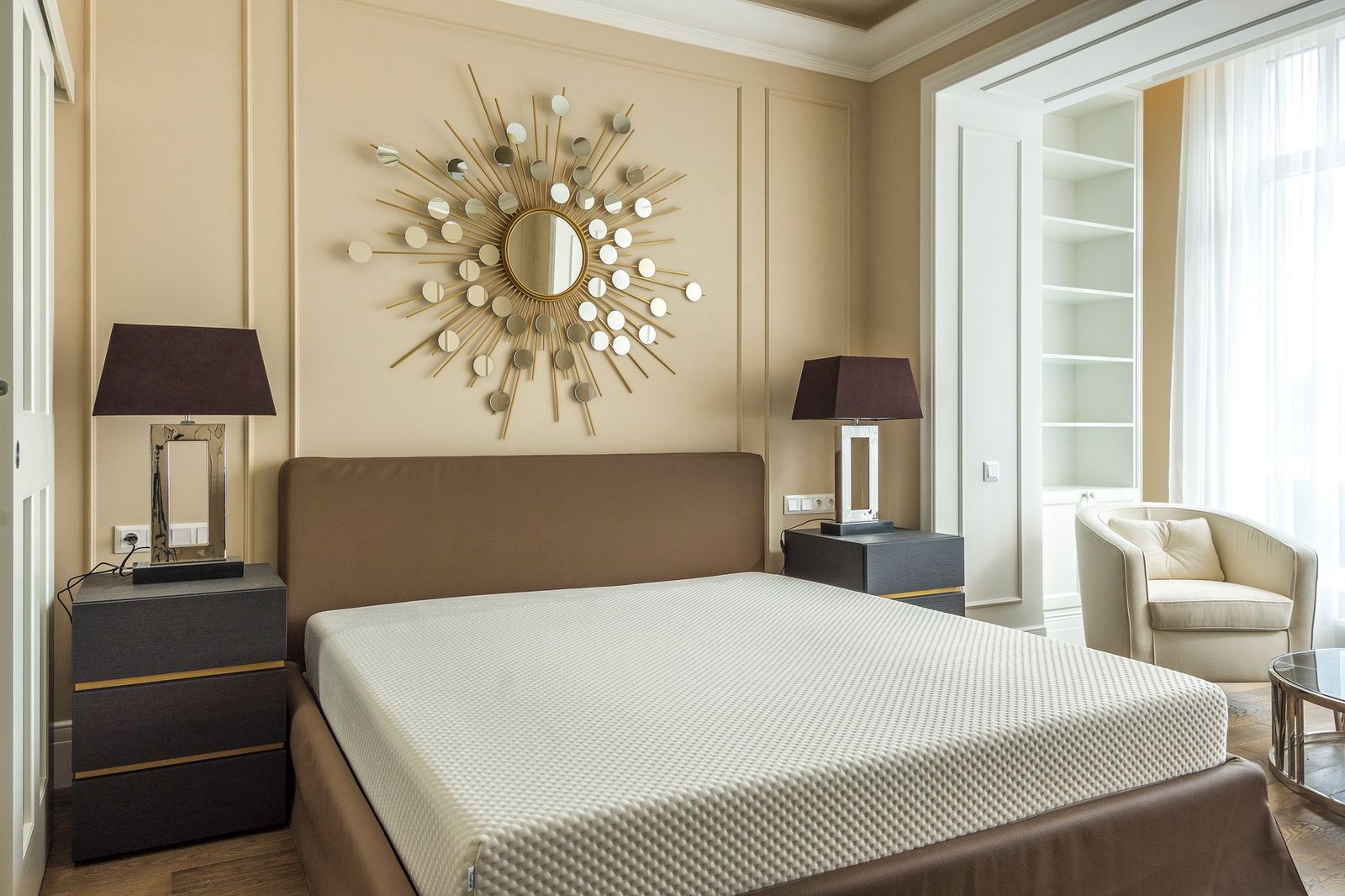
A bedroom that feels excessively warm at night is a common impediment to restorative sleep for many residents. This pervasive issue can be effectively mitigated through a combination of thoughtful design and innovative, environmentally conscious solutions, offering significant relief without heavy reliance on traditional air conditioning. For 2026 sleepers seeking cooler nights, focusing on sustainable methods to maintain optimal indoor temperatures is key.
Optimized Sleep Environment: Passive Cooling Mastery
Achieving a comfortable bedroom temperature often begins with enhancing the immediate sleep environment and leveraging passive cooling techniques that minimize heat absorption and maximize air circulation.
Advanced Bedding & Sleep Surfaces
Beyond traditional cotton, the materials comprising a sleep surface significantly impact thermal regulation. In 2026, advances in textile science offer superior options.
- Phase-Change Materials (PCMs): Highly refined PCMs are now commonly integrated into mattress toppers, pillows, and even sleepwear. These materials dynamically absorb and release heat, maintaining a stable temperature microclimate around the sleeper.
- Bio-Based & Mineral-Infused Fabrics: Biodegradable lyocell and Tencel blends, often infused with microscopic cooling minerals or hydrogel particles, provide exceptional breathability and moisture-wicking capabilities, drawing heat and humidity away from the body.
- Aerogel-Infused Foams: Newer memory foams utilize aerogel infusions, known for their exceptional insulating properties, to prevent heat buildup while still offering pressure relief.
The resident should opt for sheets with high breathability, such as organic linen or bamboo, and consider bedding designed with zoned cooling or smart fabrics that actively respond to body temperature fluctuations.
Smart Window Treatments & Ventilation
Controlling solar gain and maximizing natural airflow are fundamental to a cool bedroom.
- Dynamic Window Solutions: Electrochromic glass or smart films that dynamically tint based on sunlight intensity are becoming more accessible. These solutions reduce solar heat gain by up to 70% during peak hours while preserving natural light.
- Advanced Glazing & Coatings: Triple-glazed windows with enhanced low-emissivity (low-E) coatings are standard for new constructions, significantly reducing heat transfer from the exterior.
- Automated Shading Systems: Smart blinds, often made from recycled PET with reflective backings, can be programmed to close during the hottest parts of the day and open during cooler evening hours, optimizing passive cooling strategies.
Homeowners are encouraged to implement blackout curtains or cellular shades with reflective linings. Utilizing cross-ventilation principles by opening windows on opposite sides of the room or home during cooler evening hours facilitates natural air exchange. For certain architectural designs, passive stack ventilation systems can leverage natural convection to draw hot air upwards and out.
Innovative Material Science & Technology: The Future of Cool
Beyond the basics, cutting-edge materials and technologies are redefining how interior spaces stay cool with minimal energy input.
Next-Gen Passive Cooling Fabrics
The innovation in textiles extends beyond bedding into everyday interior elements.
- Radiative Cooling Fabrics: Fabrics woven with specialized synthetic fibers are emerging that exploit radiative cooling principles. These materials are engineered to emit heat away from the body in the infrared spectrum without requiring electricity, effectively creating a microclimate several degrees cooler than ambient air.
- Nanofiber Membranes: Integrated into sleepwear and upholstery, nanofiber membranes provide enhanced evaporative cooling by accelerating moisture wicking and air circulation at the skin’s surface.
The user should investigate sleepwear and mattress protectors featuring these advanced radiative cooling or nanofiber technologies to experience a tangible difference in personal thermal comfort.
Bio-Integrated Cooling Systems
Drawing inspiration from nature, biomimicry is leading to revolutionary, ultra-low-energy cooling solutions.
- Evaporative Cooling Tiles: Developments in porous, recycled ceramic tiles allow for evaporative cooling when subtly moistened, wicking moisture and cooling via latent heat of vaporization. These can be integrated into walls or floorings.
- Bio-Wall Systems: For larger projects, wall panels integrated with microalgae systems are gaining traction. These living systems absorb heat and CO2, releasing oxygen, and contributing to a cooler, healthier indoor environment.
While some of these technologies are nascent for mainstream adoption, residents in drier climates can explore evaporative air coolers (often called swamp coolers), which use significantly less energy than traditional AC units. For new constructions or major renovations, investigation into bio-integrated building materials offers long-term, sustainable cooling benefits.
Landscape & Exterior Strategies: Design for Thermal Comfort
The exterior of a home plays a crucial role in its internal temperature. Strategic landscape and architectural design can significantly reduce heat gain.
Strategic Planting & Shading
Integrating natural elements around the home can provide substantial thermal benefits.
- Deciduous Tree Placement: Deciduous trees planted on the west and south sides of a home provide dense shade during the hot summer months, reducing direct solar radiation on walls and windows. In winter, after leaf fall, they allow warming sunlight to penetrate.
- Vertical Greenery: Vines on trellises or living green walls act as natural insulation layers, reducing the surface temperature of exterior walls by several degrees through shading and evapotranspiration.
- Native & Drought-Resistant Landscaping: Prioritizing native, drought-resistant plants reduces water usage, aligning with broader eco-friendly principles while providing aesthetic and thermal benefits.
The homeowner can strategically plant new trees or cultivate vertical gardens to create natural shading and cooling zones around the residence.
Cool Roof & Wall Technologies
The building envelope itself can be engineered to reject heat effectively.
- Reflective ‘Cool Roof’ Materials: In 2026, reflective cool roof materials, such as white membranes or specialized tiles with a high Solar Reflectance Index (SRI), are standard in new constructions and recommended for renovations. These materials reflect a significant portion of solar radiation, preventing heat from entering the attic and living spaces below.
- Ventilated Facades: Gaining traction, ventilated facades create an air gap between the exterior cladding and the building’s thermal envelope. This gap allows heat to dissipate naturally via convection before it can transfer inwards.
- Bio-Based Insulation: Modern insulation materials like mycelium or recycled denim are improving thermal performance while offering sustainable alternatives to traditional options.
The resident should evaluate the possibility of installing a cool roof during the next roof replacement cycle. For walls, considering lighter-colored paints with high SRI values, or investigating ventilated cladding options during exterior renovations, contributes significantly to overall home cooling.
By integrating these advanced, eco-conscious strategies, residents can significantly enhance bedroom comfort, achieving a cooler sleep environment without incurring excessive energy costs or environmental impact. From sophisticated bedding materials and smart home integrations to thoughtful landscape design and cutting-edge building science, the path to a cooler night’s sleep in 2026 is both effective and sustainable.