
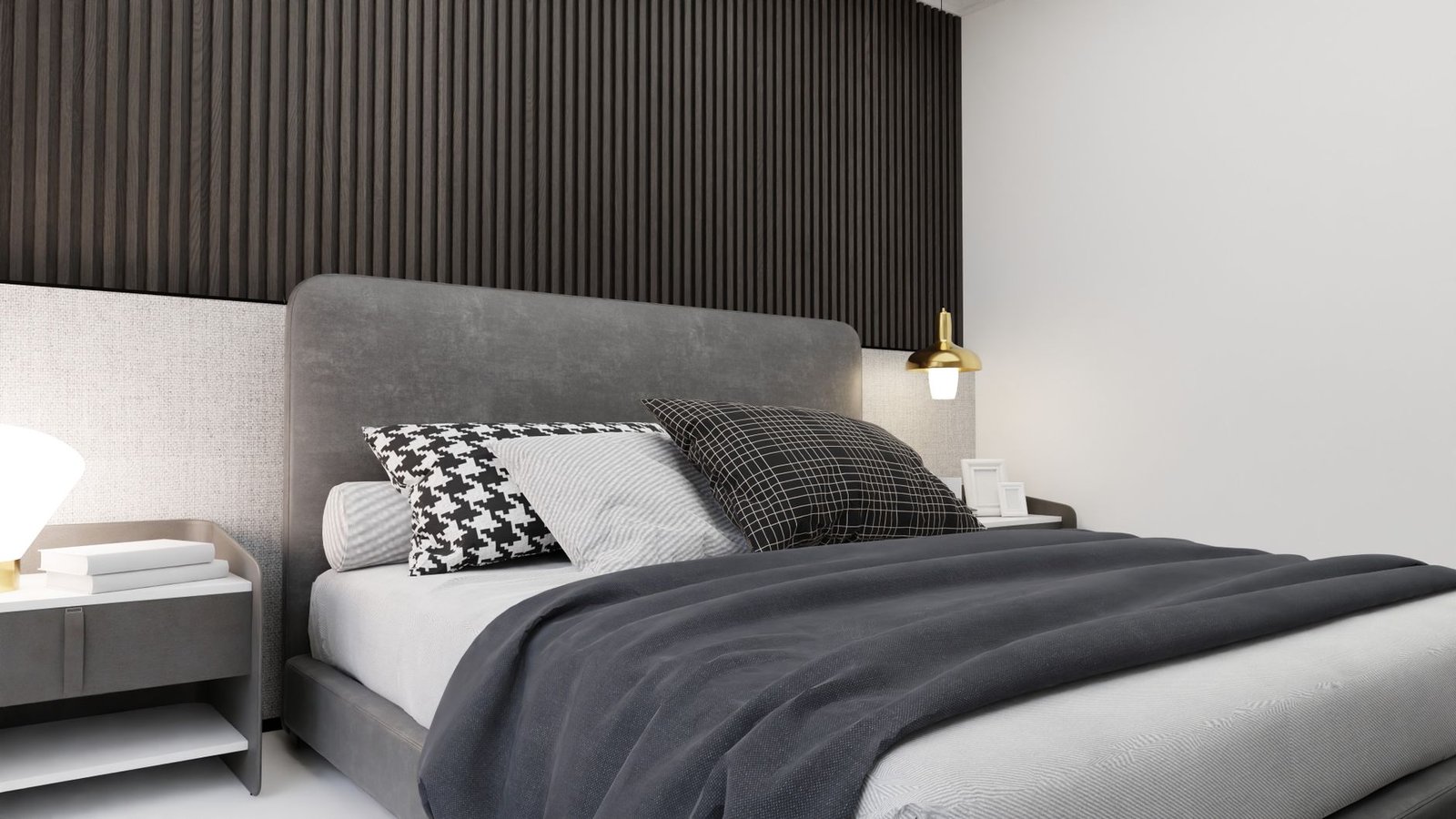
A tranquil bedroom is fundamental for restful sleep, yet external disturbances often compromise this essential sanctuary. For homeowners grappling with unwanted noise, achieving serene slumber in 2026 is entirely feasible without significant expenditure. This article outlines five budget-friendly soundproofing hacks designed to transform noisy bedrooms into peaceful retreats, offering actionable DIY techniques that leverage modern materials and smart design principles to significantly enhance sleep quality and overall well-being. Addressing the challenge of a noisy bedroom can dramatically improve an individual’s daily life, contributing to better focus, mood, and health.
The Quest for Quiet: Bedroom Soundproofing in 2026
In 2026, the emphasis on home wellness and comfort has reached new heights. Noise pollution, whether from bustling city streets, neighboring apartments, or even internal household activities, remains a primary disruptor of sleep. While comprehensive sound insulation can be costly, numerous effective and affordable strategies are available to mitigate unwanted sounds. These methods focus on sound absorption, blocking, and diffusion, utilizing readily accessible materials and contemporary insights into acoustic design. The goal is to create a personal oasis where restful sleep is not just a luxury, but an attainable standard for every resident.
Understanding Sound Dynamics in the Bedroom
Before implementing solutions, understanding how sound travels is beneficial. Sound waves can transmit through air (airborne noise) or through solid structures (impact noise). Most bedroom noise issues involve airborne sound entering through gaps, windows, and thin walls, or reflecting off hard surfaces within the room. Effective soundproofing addresses both prevention of sound entry and absorption of sound within the space.
Budget-Friendly Soundproofing Hacks: Practical Solutions for Restful Sleep
Transforming a noisy bedroom into a peaceful haven does not require extensive renovations or a large budget. The following hacks are designed for ease of implementation and tangible results, utilizing smart material choices and strategic placement.
1. Seal Gaps and Cracks
One of the most overlooked sources of noise infiltration is also one of the easiest to fix: air gaps. Sound travels wherever air can. Sealing these small openings around windows and doors can dramatically reduce noise. For 2026, advanced weatherstripping and acoustic caulk formulations offer superior performance and durability.
- Weatherstripping for Doors and Windows: Investing in high-quality, dense polymer or silicone weatherstripping ensures a tight seal. These modern materials are more resilient than older foam types and are simple to apply along door jambs and window sashes. A tightly sealed door or window can block a surprising amount of ambient noise.
- Acoustic Caulk for Wall Perimeters: For persistent drafts and sound leaks around window frames, electrical outlets, and wall penetrations, flexible acoustic caulk is an excellent solution. Unlike standard caulk, it retains its elasticity, allowing for minor structural shifts without cracking, maintaining its sound-blocking integrity.
Actionable Insight: The resident should conduct a ‘light test’ by turning off lights in the room during the day and checking for light leakage around doors and windows. Where light penetrates, sound can too, indicating areas requiring immediate attention.
2. Strategic Furniture and Textile Placement
Soft furnishings and dense objects play a crucial role in absorbing sound waves within a room, preventing echoes and reducing overall reverberation. This method leverages existing decor or allows for aesthetically pleasing additions.
- Heavy Curtains and Drapes: Opt for multi-layered, thermal, or blackout curtains made from dense, heavy fabrics such as velvet, wool blends, or specialized acoustic materials. These should extend beyond the window frame and ideally from ceiling to floor, creating a formidable barrier. Double curtain rods allow for layering sheers with heavy drapes for versatile light and sound control.
- Area Rugs and Carpeting: For bedrooms with hard flooring, a thick area rug, especially one with a dense pile and a non-slip pad, can significantly absorb footfall noise and airborne sounds. Layering multiple rugs also enhances sound absorption and adds textural interest.
- Upholstered Furniture and Wall Hangings: Upholstered headboards, chairs, or even fabric-covered ottomans contribute to sound dampening. Large, decorative wall tapestries, quilts, or framed fabric art can serve a dual purpose, adding visual appeal while absorbing sound reflections from bare walls.
Actionable Insight: Position larger, softer items against exterior walls or walls shared with noisy neighbors to create an immediate sound-buffering effect.
3. DIY Acoustic Panels and Wall Treatments
Gone are the days of crude egg carton solutions. Modern DIY acoustic panels offer both effective sound absorption and sleek aesthetic integration, leveraging sustainable and high-performance materials.
- Eco-Friendly Felt Panels: Available in a variety of colors and geometric designs, panels made from recycled PET felt are a popular 2026 choice. These can be easily adhered to walls in patterns that are both decorative and acoustically functional. They excel at absorbing mid- and high-frequency sounds, reducing echo.
- Fabric-Wrapped Mineral Wool Panels: For the more ambitious DIYer, constructing simple wooden frames, infilling them with dense mineral wool or recycled denim insulation, and then wrapping them in an acoustically transparent, decorative fabric creates highly effective broadband absorption panels. These can be mounted at strategic sound reflection points on walls or ceilings.
Actionable Insight: Identify key reflection points in the bedroom by clapping loudly and listening for echoes. These are ideal locations for acoustic panel placement.
4. Door Enhancements
Doors, especially hollow-core models, are notorious weak points for sound transmission. Simple modifications can significantly improve their sound-blocking capabilities.
- Door Sweeps and Gasketing: Installing a quality door sweep at the bottom of the door and applying gasketing (foam or silicone strips) around the door frame’s perimeter creates a tighter seal, blocking airborne noise from entering under and around the door. Automatic door bottoms, which retract when the door is opened, offer a seamless and highly effective solution.
- Mass-Loaded Vinyl (MLV) Application: For hollow-core doors, adhering a layer of mass-loaded vinyl (MLV) to the inside surface can add significant density and reduce sound transmission. The MLV can then be covered with a thin plywood panel or decorative fabric for a finished look. MLV is an affordable, flexible material specifically engineered for sound blocking.
Actionable Insight: Ensure that the door closes snugly into its frame without significant gaps. Any visible light around the door’s edges indicates a potential sound leak.
5. White Noise and Sound Masking Technologies
While not strictly soundproofing, sound masking is an invaluable technique for making unavoidable noises less intrusive, creating a more consistent and calming sound environment. This strategy leverages the brain’s ability to filter out irregular sounds when a constant, ambient sound is present.
- Dedicated Sound Machines: Modern sound machines offer a range of therapeutic sounds, including white noise, pink noise (which is often more soothing than white noise), brown noise, and various nature sounds. These devices can effectively mask sudden noises like traffic, footsteps, or distant conversations.
- Smart Home Integration: In 2026, smart speakers and dedicated apps can generate adaptive soundscapes. These systems can analyze ambient noise levels and dynamically adjust the masking sound, providing personalized and responsive acoustic comfort. Some even offer bio-adaptive sound environments that respond to the resident’s sleep patterns.
Actionable Insight: Experiment with different types of masking sounds (white, pink, brown noise) to determine which is most effective and least distracting for the individual’s sleep preferences.
Advanced Considerations and Future-Proofing for Tranquil Spaces
While the budget-friendly hacks offer significant improvements, a holistic approach to noise reduction considers the broader context of the home. Exploring material innovations, such as thinner, more efficient acoustic insulations or bio-engineered sound-absorbing composites, points towards even more integrated solutions for the future. For persistent and severe noise issues, especially those stemming from structural challenges, consulting with an acoustics professional can provide tailored, high-impact strategies that might involve more significant investment but deliver superior results.
Embracing Serenity Through Smart Sound Management
Achieving a peaceful and quiet bedroom is within reach for any homeowner, regardless of budget constraints. By strategically applying these five budget-friendly soundproofing hacks – sealing gaps, utilizing soft furnishings, implementing DIY acoustic treatments, enhancing doors, and integrating sound masking technologies – residents can significantly improve their sleep environment. These accessible techniques, combined with an understanding of modern materials and design principles, empower individuals to reclaim their personal sanctuaries. Prioritizing sound management is an investment in personal well-being, fostering improved sleep, reduced stress, and an enhanced quality of life in 2026 and beyond.