
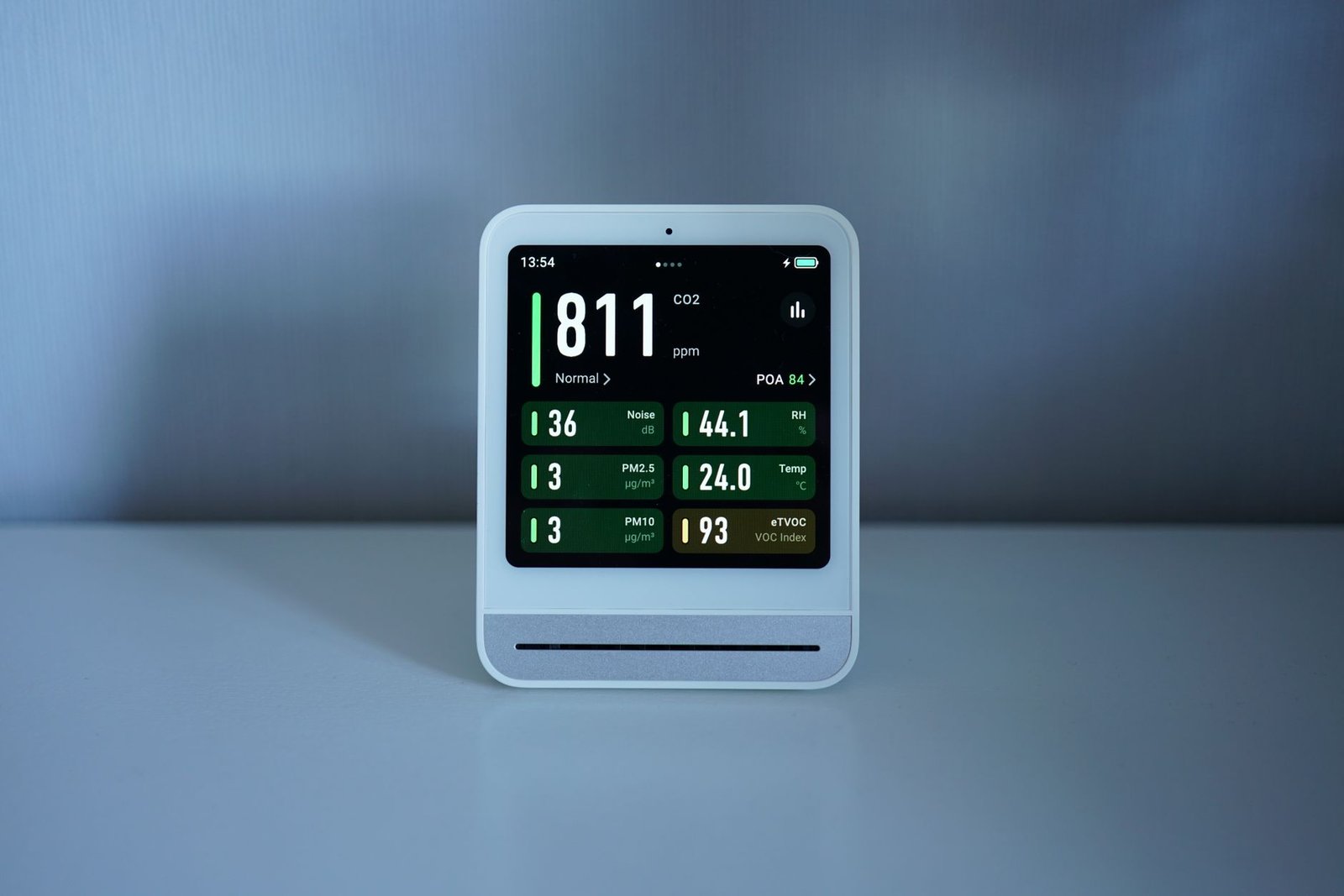
When confronting indoor air quality challenges, homeowners often ponder the distinction between air purifiers and dehumidifiers. While both devices contribute significantly to a healthier living environment, their functions are distinct and address different concerns. Neither device is inherently superior; instead, the optimal choice hinges entirely upon the specific indoor air quality issues prevalent within a residence. Understanding their core mechanisms and capabilities, especially with the advancements of 2026, is crucial for making an informed decision that enhances domestic comfort and wellness.
Understanding Air Purifiers in 2026
An air purifier is meticulously engineered to remove airborne contaminants, ranging from microscopic particles to gaseous pollutants, from the indoor atmosphere. These devices are indispensable in homes where residents seek relief from allergens, respiratory irritants, or general atmospheric impurities.
Function and Technology
By 2026, air purification technology has seen significant evolution, focusing on efficiency, sustainability, and smart integration. Modern air purifiers leverage a multi-stage filtration process:
- Advanced HEPA Filters: These remain the cornerstone, now often fabricated with sustainable materials and engineered for extended lifespans. They capture at least 99.97% of airborne particles 0.3 microns in size, including dust, pollen, pet dander, and mold spores.
- Enhanced Activated Carbon Filters: Beyond particle removal, these filters are crucial for adsorbing volatile organic compounds (VOCs) and odors stemming from cooking, pets, and modern furnishings. Innovations in 2026 include carbon filters with greater surface area and catalytic properties for improved VOC breakdown.
- UV-C Sterilization: Integrated UV-C light systems are commonly found in high-end units, designed to neutralize airborne bacteria and viruses as they pass through the device, offering an additional layer of protection. Safe implementation ensures no ozone production.
- Electrostatic Precipitation: Some contemporary models utilize electrostatic charges to attract and capture particles, often offering quieter operation and reduced need for disposable filters, though regular cleaning of collector plates is necessary.
- Smart Integration and AI: Many 2026 air purifiers feature sophisticated sensors that monitor indoor air quality in real-time. These devices can integrate with smart home systems, using AI-driven algorithms to predict filtration needs based on external air quality data, local pollen counts, and even a residence’s occupancy patterns, optimizing performance and energy use.
When an Air Purifier is Essential
An air purifier is the primary defense against:
- Allergens and Asthma Triggers: For residents suffering from allergies to pollen, dust mites, or pet dander, or those managing asthma, continuous air purification significantly reduces exposure to irritants.
- Particulate Pollution: Homes situated in urban areas, near construction sites, or prone to wildfire smoke infiltration benefit immensely from devices that filter fine particulate matter (PM2.5).
- VOCs and Odors: Residences with new furniture, recent renovations, or those experiencing persistent odors from cooking or pets will find activated carbon filtration particularly beneficial for improving air freshness.
- General Air Cleanliness: Even in relatively clean environments, an air purifier helps maintain a high standard of indoor air quality, contributing to overall wellness.
Understanding Dehumidifiers in 2026
In contrast to air purifiers, a dehumidifier’s sole purpose is to reduce the level of humidity in the air by extracting excess moisture. This function is critical for preventing moisture-related problems that can compromise both structural integrity and indoor air quality.
Function and TechnologyDehumidifier technology in 2026 emphasizes energy efficiency, precise control, and quieter operation:
- Energy-Efficient Compressors and Desiccants: Modern compressor-based dehumidifiers feature advanced inverter technology, allowing them to adjust power consumption according to humidity levels, leading to significant energy savings. Desiccant models, ideal for cooler environments, have also seen improvements in material science, enhancing their moisture absorption capabilities.
- Smart Humidity Sensors and Connectivity: Integrated sensors provide accurate real-time humidity readings, enabling precise control to maintain optimal indoor humidity (typically between 40-60%). These devices often connect to home automation platforms, allowing remote monitoring and adjustment.
- Sustainable Refrigerants: The industry continues its transition towards more environmentally friendly refrigerants, with 2026 models largely utilizing low global warming potential (GWP) alternatives, reducing their ecological footprint.
- Quiet Operation: Advances in fan design and internal component insulation have resulted in significantly quieter operation, making dehumidifiers less intrusive in living spaces.
- Integrated Drainage Solutions: Many units offer continuous drainage options, allowing for direct connection to a drain, eliminating the need for manual emptying of the water reservoir. Larger reservoirs with auto-shutoff features are standard for models without continuous drainage.
When a Dehumidifier is Essential
A dehumidifier is vital for addressing:
- Mold and Mildew Prevention: High humidity is the primary catalyst for mold and mildew growth, which can cause structural damage, unpleasant odors, and contribute to respiratory issues.
- Musty Odors: These are often indicators of excessive moisture and microbial growth. A dehumidifier effectively eliminates the source of such smells.
- Dust Mite Control: Dust mites thrive in humid environments. Reducing indoor humidity is a key strategy in mitigating dust mite populations and related allergic reactions.
- Structural and Material Preservation: Excess moisture can damage wood furniture, electronics, documents, and musical instruments. A dehumidifier protects these assets.
- Enhanced Thermal Comfort: High humidity makes warm temperatures feel hotter and muggier. Lowering humidity levels can make a home feel cooler and more comfortable, potentially reducing reliance on air conditioning.
- Basements and Crawl Spaces: These areas are particularly prone to moisture accumulation and often require dedicated dehumidification.
Air Purifier vs. Dehumidifier: Which to Choose for 2026?
The decision between an air purifier and a dehumidifier, or indeed the necessity of both, rests squarely on a thorough assessment of the home’s specific environmental conditions and the wellness priorities of its residents.
Targeting Specific Problems
- If the primary concerns involve airborne allergens, dust, pet dander, pollen, smoke, or VOCs, an air purifier is the appropriate investment. Its filtration system directly targets these particulate and gaseous pollutants.
- If the pressing issues are high humidity, musty odors, mold growth, condensation on windows, or sticky indoor air, then a dehumidifier is the essential device. It directly addresses the moisture content of the air.
Considering a Combined Approach
For many residences, particularly in humid climates where external air quality might also be a concern, the ideal solution involves utilizing both an air purifier and a dehumidifier. These devices are not mutually exclusive; rather, they offer complementary benefits that collectively elevate indoor air quality and comfort.
- Combined Units: While some integrated units offer both functions, separate, specialized devices often provide superior performance for each task. A dedicated air purifier typically has a more robust filtration system, and a dedicated dehumidifier will offer more powerful moisture removal for its footprint. The choice between combined or separate units often balances convenience against optimal efficacy and individual appliance longevity.
- Strategic Placement: Optimal results are achieved by placing each device strategically. Dehumidifiers are most effective in areas prone to dampness (e.g., basements, bathrooms, laundry rooms), while air purifiers benefit from placement in common living areas and bedrooms where airborne particles are most problematic.
2026 Trends in Holistic Home Air Management
The year 2026 sees a continued push towards holistic and integrated home environmental management:
- Smart HVAC Systems: Modern HVAC systems increasingly incorporate advanced filtration (MERV 13+ or higher), whole-home dehumidification capabilities, and sometimes even integrated UV-C light, providing comprehensive air treatment at a central level.
- Predictive Maintenance: Advanced sensors and AI in both purifiers and dehumidifiers alert residents to filter changes or maintenance needs based on actual usage and environmental data, ensuring sustained optimal performance.
- Material Science Impact: The ongoing development of low-VOC building materials, paints, and furnishings significantly reduces the initial pollutant load within a new or renovated residence, complementing the work of air purification devices.
- Biophilic Design: While not a replacement for mechanical systems, the integration of specific indoor plants known for air-purifying qualities is seen as a complementary, aesthetically pleasing element in a holistic approach to home air quality.
Ultimately, making an informed decision about home air quality in 2026 involves a careful assessment of a residence’s unique environment. Understanding whether the primary concern is airborne particulate and gaseous contaminants or excessive humidity is key. By selecting the appropriate device, or a combination thereof, residents can significantly enhance their domestic comfort, protect their property, and foster a healthier indoor atmosphere for long-term well-being.