
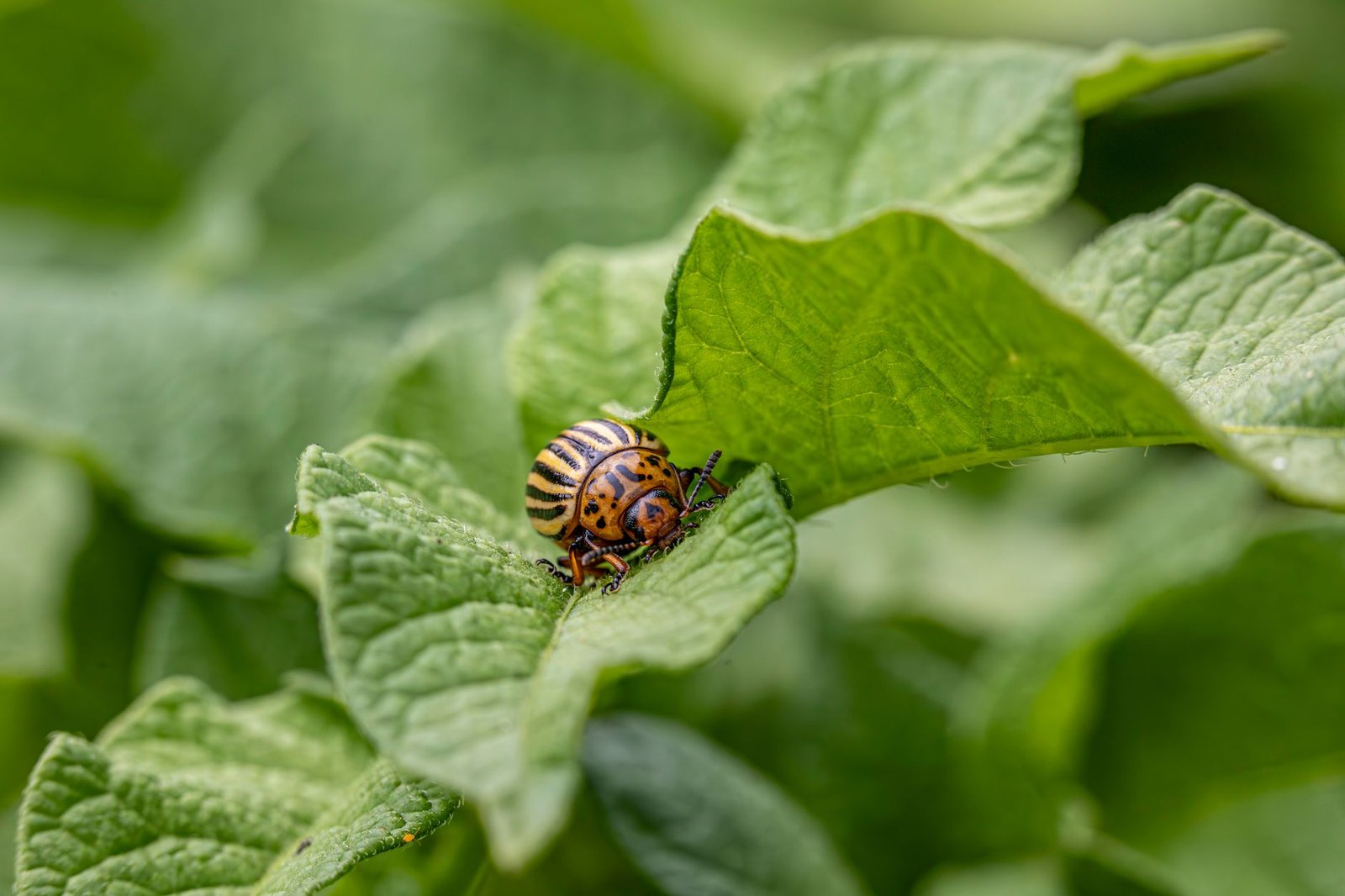
The Strategic Advantage of Pest-Resistant Edibles in 2026
Creating a productive yet low-effort garden is a primary objective for many homeowners in 2026, and integrating pest-resistant edible plants offers a significant advantage in achieving this balance. The selection of specific plant varieties known for their natural defenses allows for a thriving garden ecosystem with minimal intervention. This article explores eight prime candidates that effectively deter common garden pests, thereby reducing the need for chemical treatments and extensive monitoring, aligning with modern sustainability goals and ease of maintenance for the discerning resident.
The shift towards more sustainable and self-sufficient home environments continues to accelerate into 2026. For the ambitious gardener, selecting plants with inherent pest resistance represents a foundational strategy for a truly low-maintenance edible landscape. This approach not only conserves time and resources but also fosters a healthier ecosystem, reducing reliance on external inputs. Modern gardening trends emphasize ecological balance, and integrating robust, naturally resilient edibles directly supports this philosophy. Reduced pest pressure means less damage to crops, higher yields, and a more aesthetically pleasing garden, all while minimizing the labor typically associated with pest management.
Moreover, the absence of persistent pest issues often translates into a reduced need for pesticides, whether organic or synthetic. This benefits local biodiversity, protects beneficial insects, and ensures that the harvested produce remains free from unwanted residues, aligning with the growing consumer demand for clean food sources. Advanced soil analytics available in 2026 can further inform optimal growing conditions, enhancing plant vigor and intrinsic resistance.
Top 8 Pest-Resistant Edible Plants for 2026
Identifying edibles that naturally repel or withstand common garden adversaries is key to a flourishing, hands-off garden. The following selection showcases varieties celebrated for their resilience, promising a bountiful harvest with less effort for the resident.
-
Rosemary (Rosmarinus officinalis)
This aromatic herb is a perennial favorite, not only for its culinary uses but also for its exceptional pest-repelling qualities. The strong scent of rosemary deters a range of insects, including carrot rust flies, slugs, and certain types of beetles. It thrives in well-drained soil and full sun, making it ideal for many garden layouts. In 2026, advanced slow-release organic fertilizers can provide sustained nutrient delivery, further boosting plant health and resilience.
-
Mint (Mentha spp.)
Various mint varieties, such as spearmint and peppermint, are renowned for their intense fragrance, which acts as a natural deterrent to aphids, flea beetles, and even rodents. While highly effective, mint is notoriously vigorous and can become invasive. The recommended strategy for 2026 gardening is to cultivate mint in containers, ideally made from innovative recycled plastics or bio-composite materials that offer excellent drainage and portability, preventing its spread while maximizing its pest-deterring presence.
-
Garlic (Allium sativum)
Garlic is a powerful ally in the pest-resistant garden. Its sulfur compounds repel a wide array of pests, including aphids, slugs, snails, and Japanese beetles. Planting garlic strategically among other vegetables can provide a protective barrier. Modern soil fortification techniques using mycorrhizal fungi inoculants can enhance garlic’s root system, leading to stronger, more pest-resistant plants.
-
French Marigolds (Tagetes patula)
While often considered ornamental, the petals of many marigold varieties are edible and add a peppery zest to salads. French marigolds are particularly effective as companion plants, releasing compounds from their roots that deter nematodes and other soil-borne pests. Their vibrant blooms also attract beneficial insects. For 2026, consider drought-tolerant cultivars that maintain their efficacy even in varied climatic conditions, often identifiable by smart-tagging on seed packets detailing adaptive traits.
-
Nasturtiums (Tropaeolum majus)
With their edible flowers and peppery leaves, nasturtiums serve a dual purpose: culinary delight and pest management. They act as excellent trap crops, attracting aphids away from more valued vegetables. Once aphids congregate on the nasturtiums, the homeowner can easily remove them. Certain climbing varieties also provide attractive ground cover or vertical interest. Biodegradable mulches around nasturtiums can help retain soil moisture and further suppress weeds, reducing overall garden maintenance.
-
Bush Beans (Phaseolus vulgaris)
Many bush bean varieties exhibit good resistance to common pests like Mexican bean beetles, especially when cultivated with healthy soil practices. Specific cultivars developed for disease resistance also tend to be more resilient to insect attacks. Healthy, vigorous plants are inherently less appealing to pests. Utilizing advanced soil pH meters and nutrient analyzers, readily available to homeowners in 2026, can optimize growing conditions, thus enhancing the beans’ natural defenses.
-
Radishes (Raphanus sativus)
Fast-growing and generally low-maintenance, radishes are less bothered by many common garden pests. Their quick lifecycle means they are often harvested before significant pest pressure can build. They can also serve as a trap crop for flea beetles, drawing them away from more susceptible brassicas. Interplanting radishes among other crops can create a diversion, offering a small but consistent harvest. Precision seeding tools, common in 2026, ensure optimal spacing for healthy growth.
-
Swiss Chard (Beta vulgaris subsp. cicla)
While not entirely impervious, Swiss chard is remarkably resistant to many common leafy green pests, including aphids and cabbage worms, which often plague other brassicas. Its robust leaves and vigorous growth make it a reliable producer. Ensuring adequate moisture and rich, well-draining soil will maximize its resilience. The adoption of smart irrigation systems, now more affordable and precise in 2026, can deliver water directly to the root zone, preventing stress that might otherwise invite pests.
Cultivating a Resilient Edible Garden in 2026
Beyond selecting the right plants, establishing a holistic approach to garden management is crucial for sustained pest resistance and low maintenance. Modern techniques and materials available in 2026 can significantly enhance these efforts.
Advanced Companion Planting Strategies
The principle of companion planting is not new, but its application is becoming more sophisticated. Strategic interplanting of the aforementioned pest-resistant edibles with other desired crops can create synergistic benefits. For instance, planting garlic near roses can deter aphids, while nasturtiums can protect squash. Digital garden planning tools can now simulate companion planting benefits, allowing homeowners to optimize layouts for pest deterrence and yield.
Optimizing Soil Health and Biodiversity
A healthy soil ecosystem is the bedrock of resilient plants. In 2026, accessible soil testing kits provide detailed nutrient profiles and microbial activity insights. Amendments like biochar, worm castings, and compost tea, often enriched with beneficial microorganisms, are widely used to enhance soil structure and fertility. These practices support robust root systems, which are better equipped to withstand pest attacks and environmental stressors.
Smart Irrigation and Environmental Monitoring
Over- or under-watering can stress plants, making them more vulnerable to pests. Smart irrigation systems, integrated with localized weather data and soil moisture sensors, deliver precise amounts of water directly to the root zone, minimizing waste and promoting consistent plant health. Environmental monitoring devices can track temperature, humidity, and light levels, providing real-time data to help the resident adjust conditions for optimal plant vigor, a key factor in natural pest resistance.
Integrated Pest Management (IPM) for the Modern Homeowner
Even with highly resistant plants, occasional pest flare-ups can occur. An Integrated Pest Management (IPM) approach for 2026 emphasizes proactive monitoring, early identification, and non-chemical interventions. This includes manual removal, introducing beneficial insects (e.g., ladybugs for aphids), and using targeted organic sprays only as a last resort. Advanced pest detection apps, utilizing image recognition, can assist the homeowner in quickly identifying pests and accessing recommended solutions.
Conclusion
Building a low-maintenance, productive edible garden in 2026 is an entirely achievable goal for any homeowner. By focusing on pest-resistant plant varieties such as rosemary, mint, garlic, marigolds, nasturtiums, bush beans, radishes, and Swiss chard, residents can significantly reduce their gardening workload and environmental impact. Coupled with intelligent garden design, advanced soil health practices, and modern monitoring tools, these selections empower the user to cultivate a resilient, bountiful, and truly enjoyable outdoor space. The future of domestic gardening prioritizes ease, sustainability, and abundance, and these pest-resistant edibles are central to that vision.