
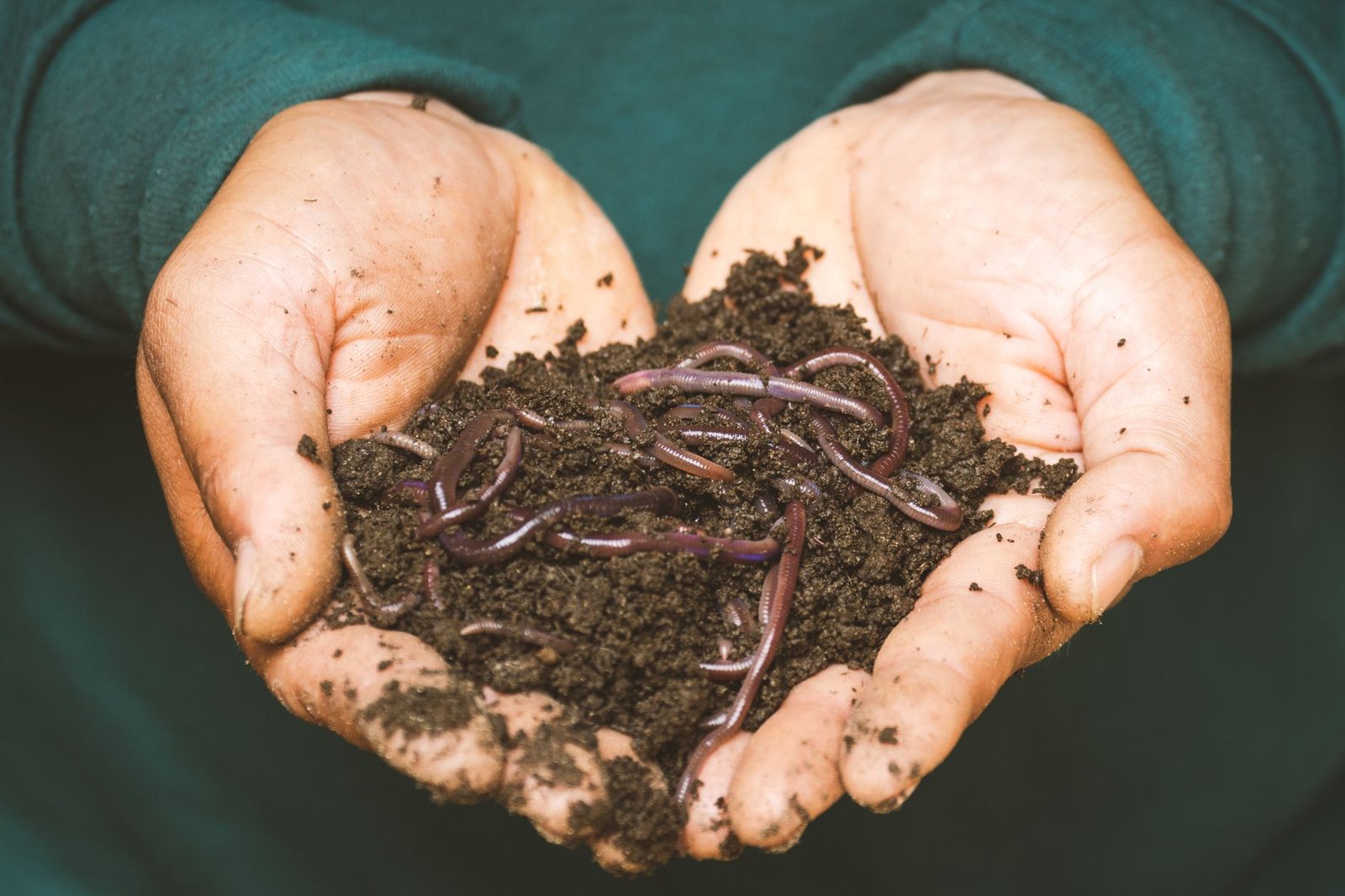
Sandy garden soil presents a unique challenge for plant growth due to its rapid drainage and poor nutrient retention. However, its limitations in moisture availability and nutrient delivery can be effectively overcome with strategic organic amendments. By implementing five key organic strategies, homeowners can significantly enhance soil quality, fostering a thriving garden ecosystem even in 2026.
Understanding Sandy Soil’s Unique Challenges
Sandy soil is characterized by large, coarse particles that allow water to drain quickly, taking valuable nutrients with it. This creates a challenging environment where plants struggle to access the consistent moisture and balanced nutrition essential for robust development. The absence of adequate organic matter means the soil cannot hold onto water or nutrients effectively, leading to frequent watering requirements and nutrient deficiencies.
1. Incorporate High-Quality Compost for Enduring Fertility
The cornerstone of any healthy garden, especially in sandy conditions, is high-quality compost. This decomposed organic material acts as a sponge, significantly improving the soil’s capacity to retain water and nutrients. As a living amendment, compost also introduces a diverse microbial community, essential for breaking down organic matter and making nutrients available to plants.
2026 Trends in Compost:
- Advanced Biodigesters: Many modern residences in 2026 are utilizing compact, efficient biodigesters to convert household organic waste into nutrient-rich compost and biogas, promoting hyper-local soil enrichment.
- Biochar-Infused Blends: Commercial compost products increasingly integrate biochar, amplifying moisture retention and microbial activity right from the start.
- Diverse Feedstocks: The emphasis is on compost created from a broader range of sustainable feedstocks, ensuring a more complete nutrient profile.
For optimal results, the resident should aim to work in a generous layer (2-4 inches) of finished compost annually, especially before planting. This consistent input steadily transforms sandy soil into a richer, more retentive medium.
2. Embrace Biochar Technology for Structural Enhancement
Biochar, a highly porous charcoal created from biomass through pyrolysis, is a game-changer for sandy soils. Its stable carbon structure provides myriad microscopic pores, dramatically increasing the soil’s surface area. This enhanced porosity acts as a haven for beneficial microbes and a reservoir for water and dissolved nutrients, preventing them from leaching away.
2026 Innovations in Biochar:
- Micro-Granulated Biochar: Newer formulations offer micro-granulated biochar, making it easier to incorporate evenly into sandy soils without creating clumps.
- Targeted Liquid Biochar: For established gardens, liquid biochar concentrates are gaining traction, allowing for precise application and immediate interaction with the soil’s root zone.
- Sustainable Production: The industry in 2026 is seeing a rise in biochar produced from certified sustainable forestry byproducts, ensuring its environmental benefits extend beyond the garden.
A typical application involves mixing biochar (at a rate of 5-10% by volume) into the top 6-12 inches of sandy soil. Its benefits are long-lasting, often improving soil structure for decades.
3. Utilize Cover Cropping and Green Manures
Cover crops and green manures are living amendments that work wonders for sandy soil by adding organic matter both above and below ground. When tilled into the soil, the plant material decomposes, enriching the soil with nutrients and improving its texture. The extensive root systems of cover crops also help to break up compacted areas and enhance soil aggregation, which is crucial for sandy soils lacking structure.
2026 Trends in Cover Cropping:
- Smart Seed Blends: AI-driven tools are helping homeowners select optimal multi-species cover crop blends tailored to specific local climates, soil types, and gardening goals.
- Drought-Resistant Varieties: Development of more drought-tolerant cover crop species makes them increasingly viable for regions with unpredictable rainfall.
- No-Till Integration: Many practitioners are adopting no-till strategies for incorporating green manures, allowing natural decomposition to occur on the surface, feeding soil microbes without disturbing soil structure.
Legumes like clover or vetch, and grasses such as rye or oats, are excellent choices. The homeowner should plant them during fallow periods and incorporate them into the soil before they go to seed.
4. Integrate Organic Mulches for Surface Protection and Enrichment
Applying a thick layer of organic mulch on the soil surface is a simple yet profoundly effective strategy for sandy soils. Mulch acts as a protective blanket, significantly reducing water evaporation from the soil, moderating soil temperature, and suppressing weed growth. As the organic mulch breaks down, it slowly releases nutrients and contributes to the soil’s organic matter content from the top down.
2026 Mulching Innovations:
- Advanced Biodegradable Geotextiles: While traditional mulches remain popular, 2026 sees biodegradable geotextiles made from natural fibers gaining traction for effective weed suppression and moisture retention, eventually breaking down into the soil.
- Sustainable Wood Chip Sourcing: Greater emphasis is placed on wood chips sourced from local, sustainable arboriculture, often certified for purity and absence of chemical treatments.
- Living Mulches: The use of low-growing groundcovers as ‘living mulches’ is expanding, offering both aesthetic and practical benefits, adding continuous organic matter and protecting the soil.
Materials like wood chips, straw, shredded leaves, or bark are ideal. A layer of 2-4 inches is recommended, replenished as needed, typically annually.
5. Optimize with Targeted Soil Conditioners: Bentonite Clay & Seaweed Extracts
While general organic matter is key, specific organic conditioners can provide targeted benefits for sandy soil. Bentonite clay, for instance, consists of very fine particles that possess a high cation exchange capacity (CEC), allowing it to bind with water and nutrients. Seaweed extracts, meanwhile, are rich in trace minerals, hormones, and beneficial compounds that promote root growth and overall plant vigor, acting as powerful bio-stimulants.
2026 Developments in Conditioners:
- Micro-Granulated Bentonite: Similar to biochar, micro-granulated bentonite makes application easier and ensures more uniform distribution within the soil profile.
- Sustainably Harvested Seaweed: The industry focuses on seaweed products derived from sustainably harvested sources, often utilizing advanced extraction methods to preserve beneficial compounds.
- Combined Bio-Stimulant Formulations: Homeowners can find increasingly sophisticated blends combining seaweed extracts with other natural growth enhancers, optimized for sandy soil conditions.
Bentonite can be incorporated into the topsoil at a rate of 1-5% by volume, while liquid seaweed extracts can be applied as a soil drench or foliar spray throughout the growing season according to product instructions.
The Long-Term Vision for Soil Health
Amending sandy soil is not a one-time task but an ongoing commitment to fostering a vibrant, resilient garden. By consistently applying these organic strategies, homeowners can transform challenging sandy plots into fertile, water-wise landscapes. The benefits extend beyond healthier plants, contributing to a more sustainable environment through reduced water usage, decreased reliance on synthetic fertilizers, and enhanced carbon sequestration within the soil profile.
Embracing these 2026-relevant organic practices ensures that garden beds retain moisture, hold onto essential nutrients, and provide the ideal foundation for thriving plant life for years to come.