
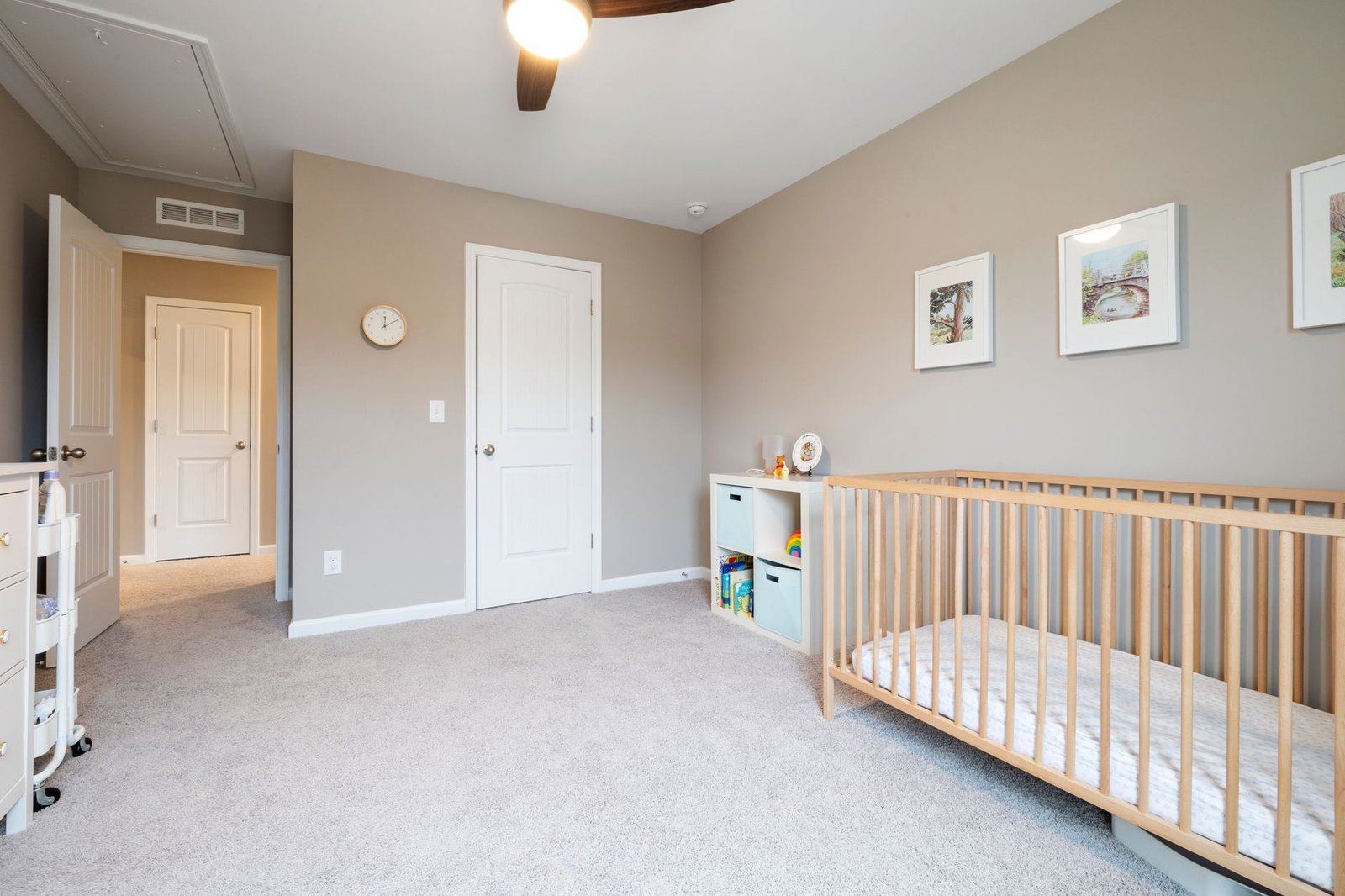
What is the Best Low-VOC Paint for Nurseries in 2026?
For 2026, determining the best low-VOC paint for nurseries involves a nuanced consideration of safety, durability, and evolving aesthetic preferences. Leading brands such as Sherwin-Williams Harmony, Benjamin Moore eco-spec, and innovative bio-based formulations stand out as top contenders, prioritizing the health and well-being of the youngest residents while offering robust performance and contemporary style. The industry’s continued push towards true zero-VOC standards and enhanced material sustainability ensures a safer environment for infants and toddlers.
The Critical Importance of Low-VOC Paints in 2026 Nurseries
The air quality within a nursery is paramount, directly influencing the health of newborns and young children. Volatile Organic Compounds (VOCs) emitted from conventional paints can lead to various health concerns, including respiratory issues, headaches, and allergic reactions. As of 2026, industry standards have significantly advanced, with consumers and regulations increasingly demanding not just low-VOC, but genuinely zero-VOC products and formulations that actively contribute to better indoor air quality.
Understanding VOCs and 2026 Safety Standards
VOCs are carbon-containing chemicals that off-gas from paints as they dry and cure, persisting in the air for weeks or even months. While traditional paints contained high levels, modern low-VOC and zero-VOC options dramatically reduce or eliminate these harmful emissions. In 2026, the gold standard for nursery paints extends beyond mere compliance with basic VOC limits; products certified by independent bodies like GREENGUARD Gold or SCS Indoor Advantage Gold are highly recommended. These certifications ensure minimal chemical emissions, covering a broader range of potential irritants beyond just VOCs, including phthalates and formaldehyde, which are particularly crucial for sensitive populations.
Beyond VOCs: The Rise of Biogenic and Air-Purifying Formulations
A significant trend in 2026 is the emergence of paints with advanced functionalities. Biogenic paints, derived from renewable biological resources, offer an even greener alternative with reduced reliance on petrochemicals. Additionally, some innovative formulations now incorporate technologies designed to neutralize airborne pollutants like formaldehyde or certain odors, actively improving indoor air quality long after application. These ‘air-purifying’ paints represent a cutting-edge development for health-conscious homeowners, adding an extra layer of protection to nursery environments.
Key Considerations When Selecting Nursery Paint
Beyond VOC levels, several factors influence the suitability of paint for a nursery. Durability, washability, and the available color palette are all essential for a functional and aesthetically pleasing space.
Durability and Washability for Active Spaces
Nurseries are active environments prone to spills, smudges, and creative expressions. Therefore, the chosen paint must possess excellent durability and washability. A paint with a higher sheen, such as eggshell or satin, generally offers better resistance to stains and easier cleaning compared to a flat finish. Modern matte finishes are also improving in their washability, providing a sophisticated look without compromising practicality. Brands that offer robust scuff resistance and easy wipe-down capabilities are highly desirable for longevity and ease of maintenance.
Color Palettes and Aesthetic Trends in 2026
Nursery aesthetics in 2026 lean towards calming, nature-inspired palettes. Muted greens, soft blues, warm creams, and earthy terracotta tones are popular, fostering a serene and stimulating environment without overstimulation. Biophilic design principles, incorporating natural light and organic textures, are also influencing color choices. While vibrant accents can be introduced through decor, the primary wall colors often reflect a desire for tranquility and connection to the natural world. Many low-VOC brands now offer extensive color selections, ensuring that aesthetic preferences are not sacrificed for safety.
Leading Low-VOC Paint Brands for Nurseries in 2026
Several brands consistently receive high marks for their low-VOC formulations, safety certifications, and performance.
Sherwin-Williams Harmony® Interior Acrylic Latex
- Key Feature: Zero VOC, actively reduces common indoor odors from pets, cooking, and smoke, and helps reduce airborne formaldehyde.
- Safety: GREENGUARD Gold certified and meets stringent environmental performance criteria.
- Durability: Excellent washability and scrub resistance for easy cleaning.
- Color Options: Available in a wide array of Sherwin-Williams’ extensive color palette.
- 2026 Relevance: Its odor-reducing technology and formaldehyde abatement properties make it a standout for enhanced indoor air quality, aligning with the year’s focus on holistic home health.
Benjamin Moore eco-spec® WB Interior Paint
- Key Feature: Zero VOC, low odor, and spatter resistant.
- Safety: Certified by Benjamin Moore’s proprietary Gennex® Color Technology, ensuring low VOC levels even after tinting.
- Durability: Excellent hide and coverage, with a durable finish that stands up to cleaning.
- Color Options: Available in Benjamin Moore’s full spectrum of colors.
- 2026 Relevance: Known for its reliability and consistent performance, eco-spec remains a trusted choice, especially for those seeking a vast color selection with guaranteed low VOCs.
Clare Paint
- Key Feature: Zero VOC and GREENGUARD Gold certified.
- Safety: Prioritizes non-toxic ingredients and transparent labeling.
- Durability: Known for its smooth application and durable finish.
- Color Options: Offers a curated collection of designer-approved, trend-forward colors, simplifying the selection process for residents.
- 2026 Relevance: As online purchasing and simplified design processes gain traction, Clare’s focus on curated palettes and direct-to-consumer model appeals to modern homeowners seeking convenience and style.
Emerging Innovations: Green Planet Paints & ECOS Paints
Beyond these established players, brands like Green Planet Paints, which specialize in bio-based and plant-derived formulations, are gaining momentum for their exceptional sustainability profiles. ECOS Paints also offers truly zero-VOC options, including tints, and hypoallergenic formulations that cater to extremely sensitive individuals. These brands represent the forefront of eco-conscious painting in 2026, often exceeding conventional low-VOC standards.
Application and Maintenance Best Practices
Even with the best low-VOC paints, proper application and maintenance are crucial for optimal results and continued air quality.
- Surface Preparation: Ensure walls are clean, dry, and smooth. Any existing mold or mildew should be treated and removed before painting.
- Ventilation: While low-VOC paints significantly reduce fumes, maintaining good ventilation during and after application (for at least 72 hours, or longer if possible) helps dissipate any residual odors and ensures proper curing.
- Curing Time: Allow adequate time for the paint to fully cure—not just dry to the touch—before moving furniture or placing cribs against freshly painted walls. This can take several days to a few weeks, depending on humidity and ventilation.
- Cleaning: Use mild soap and water with a soft cloth for cleaning. Avoid harsh abrasive cleaners that could damage the paint finish.
- Touch-ups: Keep a small amount of leftover paint for future touch-ups to maintain the pristine look of the nursery.
Conclusion
For residents planning a nursery in 2026, selecting the best low-VOC paint is a decision that balances safety, aesthetics, and practicality. By prioritizing zero-VOC formulations with GREENGUARD Gold certification, considering advanced features like odor reduction or air purification, and opting for durable, washable finishes, homeowners can create a beautiful, healthy, and nurturing environment for their newest family member. The commitment to superior indoor air quality, facilitated by advancements in paint technology, ensures a breathable space where every child can thrive.