
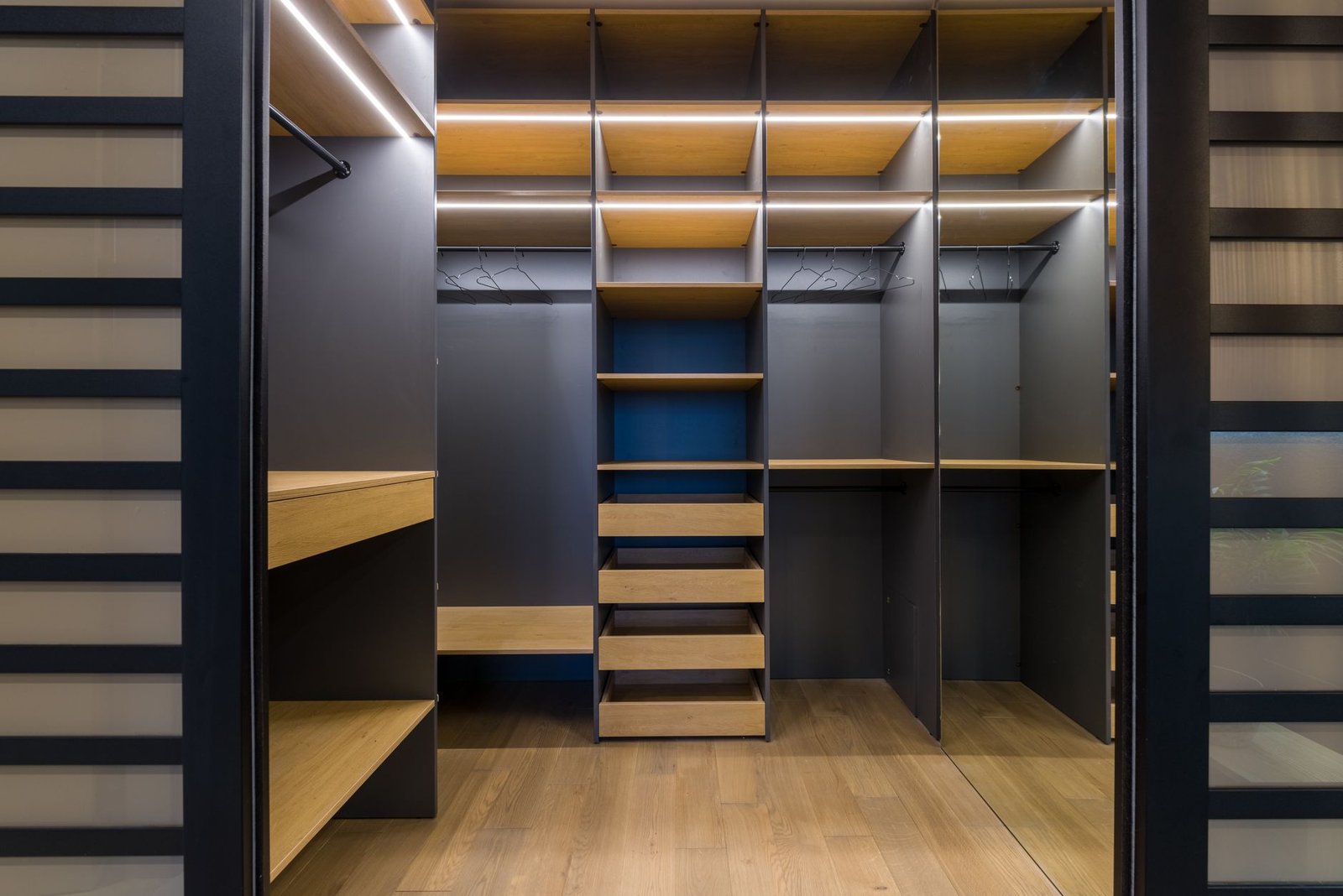
Custom built-in shelving in 2026 represents a significant home investment, with costs typically ranging from $1,500 to upwards of $15,000 per unit or linear foot. This broad range reflects the bespoke nature of these installations, where pricing is profoundly influenced by a confluence of factors including material selection, the intricacy of design, the expertise of the craftsperson, and regional market dynamics. Far more than mere storage, custom built-ins are integral architectural enhancements that elevate a home’s functionality and aesthetic appeal.
Understanding the Core Cost Drivers for 2026
Several primary elements converge to determine the final expenditure for custom built-in shelving. A thorough understanding of these drivers empowers the homeowner to make informed decisions that align with both their budget and design aspirations.
Material Selection: The Foundation of Cost
The choice of materials is arguably the most significant factor influencing cost. In 2026, the market offers a diverse palette, from traditional hardwoods to advanced composites, each carrying a distinct price point and aesthetic.
- Premium Hardwoods: Species such as walnut, cherry, and white oak remain highly sought after for their durability, grain patterns, and timeless elegance. Their cost is at the higher end, reflecting the raw material expense and the specialized milling required.
- Engineered Wood Products (EWP): High-density MDF (medium-density fiberboard) and furniture-grade plywood offer cost-effective alternatives. When properly finished with veneers, laminates, or paint, these materials can achieve a high-end look at a fraction of the cost of solid wood. Advances in EWP manufacturing in 2026 have improved their structural integrity and moisture resistance.
- Sustainable and Composite Materials: The growing emphasis on sustainability has led to an increased demand for FSC-certified wood, bamboo, and recycled composite panels. These options often come with a premium, reflecting ethical sourcing and innovative manufacturing processes.
- Specialty Finishes and Accents: Beyond the base material, finishes like high-gloss lacquers, matte veneers, metallic accents, or integrated glass and stone elements add to the complexity and cost.
Labor and Craftsmanship: The Skill Premium
The expertise of the design firm or custom cabinetmaker is a critical cost component. Craftsmanship encompasses precision in measurement, cutting, assembly, and installation, ensuring a seamless integration into the home’s existing architecture.
- Skilled Artisans: Highly experienced cabinetmakers command higher hourly rates, but their proficiency often translates to superior quality, efficiency, and a refined finish.
- Installation Complexity: The difficulty of installation varies. Integrating shelving into irregular spaces, around existing architectural features, or requiring extensive on-site modifications will incur higher labor costs.
- Geographic Location: Labor rates can fluctuate significantly based on regional economic conditions and the local cost of living. Urban centers typically experience higher labor costs compared to rural areas.
Design Complexity and Customization
The intricacy of the design directly correlates with the amount of labor and specialized materials required.
- Simple Open Shelving: Basic, open shelving units with clean lines are the most economical option.
- Integrated Cabinetry and Drawers: Incorporating doors, soft-close drawers, pull-out shelves, or specialized compartments (e.g., filing systems, media centers) significantly increases both material and labor costs.
- Architectural Integration: Designs that wrap around corners, incorporate arches, or seamlessly blend with existing millwork demand meticulous planning and execution, adding to the overall expense.
- Lighting and Technology Integration: Built-in LED lighting (e.g., strip lights, puck lights), smart home connectivity, or concealed charging stations are popular requests in 2026 and introduce additional electrical work and component costs.
2026 Trends and Material Innovations Driving Value
The custom built-in market in 2026 is seeing an evolution driven by technological advancements, sustainability concerns, and a desire for personalized, smart home solutions.
The Rise of Biophilic and Sustainable Materials
Homeowners are increasingly prioritizing materials that are environmentally responsible and promote well-being. This trend translates into a higher demand for:
- FSC-Certified Woods: Sourced from responsibly managed forests, these carry a premium but align with eco-conscious values.
- Reclaimed and Repurposed Materials: Barnwood, salvaged timber, or vintage components offer unique character and reduce environmental impact.
- Low-VOC Finishes: Water-based, low-odor, and low-VOC (volatile organic compound) paints and sealants are becoming standard, contributing to healthier indoor air quality.
Smart Storage and Integrated Technology
The integration of technology into home furnishings is a defining trend for 2026.
- Automated Lighting: Motion-activated or voice-controlled LED lighting systems enhance both aesthetics and functionality.
- Hidden Charging Stations: Seamlessly integrated wireless charging pads and discreet USB ports are becoming standard features.
- Modular and Reconfigurable Systems: Flexible shelving units with adjustable components or easily swappable panels cater to evolving needs and design preferences.
- Integrated Display Screens: Concealed or pop-up screens for digital art or information display are emerging in high-end designs.
Advanced Surface Treatments and Finishes
Material science continues to innovate, offering durable and aesthetically pleasing options.
- Self-Healing Surfaces: Some advanced laminates and finishes can self-repair minor scratches, maintaining a pristine appearance for longer.
- Antimicrobial Coatings: Especially relevant in utility areas or pantries, these finishes offer hygienic benefits.
- Textured and Tactile Finishes: Beyond smooth surfaces, textured lacquers, woven wood veneers, and embossed patterns add depth and sensory appeal.
Budgeting and Maximizing Return on Investment
While the initial cost of custom built-ins can be substantial, the long-term benefits often outweigh the investment.
The Value Proposition
Custom built-in shelving offers several compelling advantages:
- Increased Home Value: Professionally designed and installed built-ins are considered permanent fixtures that enhance a home’s market appeal and appraisal value.
- Optimized Space Utilization: Built-ins are tailored to fit specific dimensions, maximizing storage and minimizing wasted space, particularly beneficial in smaller or unusually shaped rooms.
- Enhanced Aesthetics: They create a cohesive, sophisticated look, reducing clutter and serving as architectural focal points.
- Durability and Longevity: High-quality materials and expert craftsmanship ensure a long lifespan, often outlasting freestanding furniture.
Tips for Managing Costs
For the homeowner contemplating custom built-ins, several strategies can help manage the budget without compromising on quality or desired functionality.
- Detailed Consultation: Engage with designers or firms offering transparent pricing and detailed proposals. Clarify what is included in the quote, from design fees to installation.
- Material Selection: Opt for a strategic mix of materials. For example, solid wood fronts with high-quality engineered wood for internal structures can reduce costs significantly.
- Design Simplification: While customization is key, consider whether elaborate curves, intricate moldings, or excessive compartments are truly essential. Sometimes, a simpler, elegant design offers greater impact.
- Multiple Quotes: Obtain bids from at least three reputable custom cabinetmakers or design-build firms to compare pricing, material specifications, and timelines.
- Phased Approach: For extensive projects, consider breaking it into phases. Start with essential units and expand later as budget allows.
Conclusion
The cost of custom built-in shelving in 2026 is a nuanced calculation, driven by choices in materials, the complexity of design, and the caliber of craftsmanship. While the initial investment can be significant, the enduring value in terms of enhanced aesthetics, optimized functionality, and increased home value makes it a worthwhile consideration for the discerning homeowner. By carefully assessing their needs, exploring modern material options, and engaging with skilled professionals, the resident can commission bespoke shelving solutions that truly transform their living spaces.