
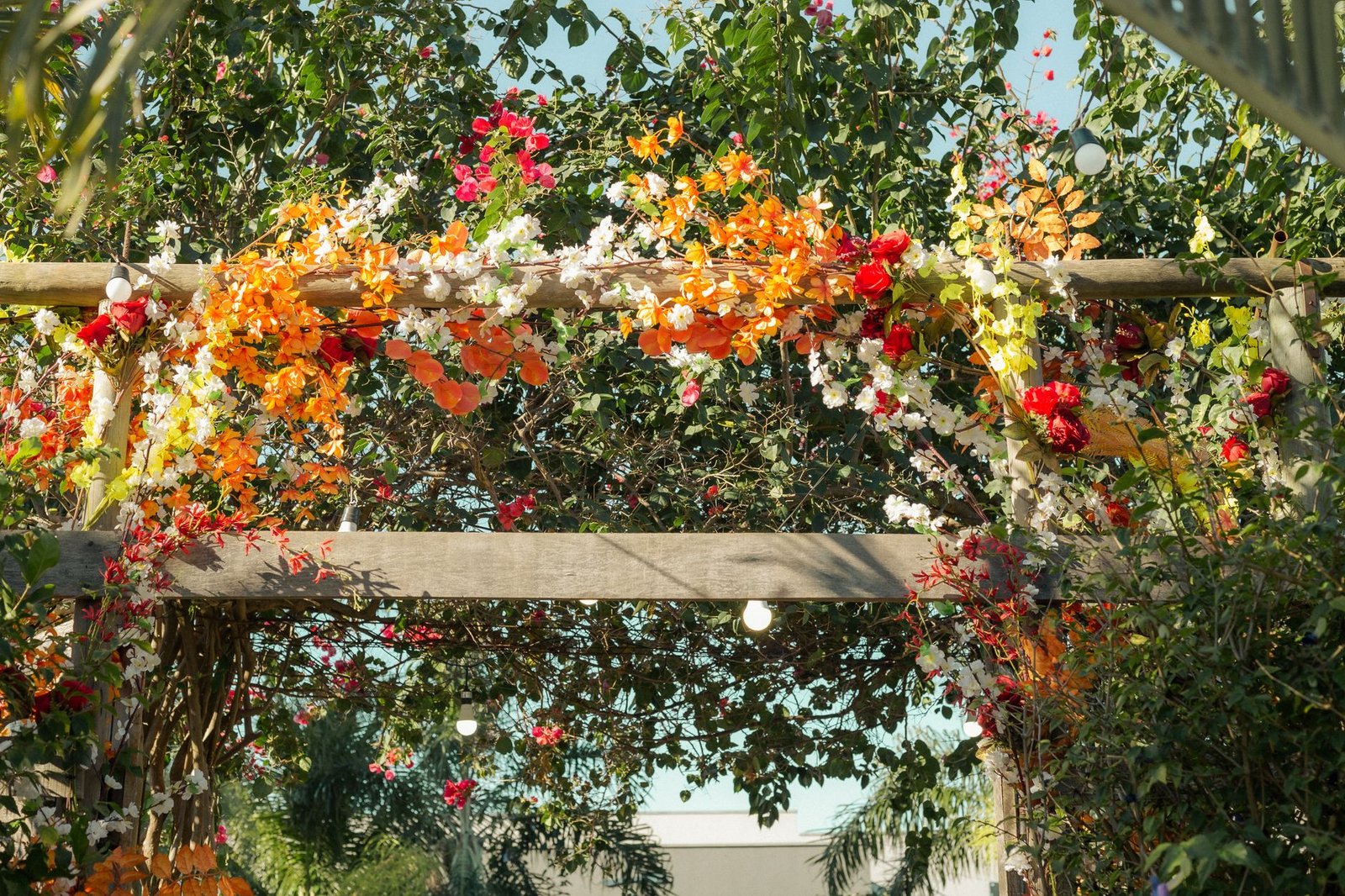
The quest for enhanced outdoor living often leads residents to consider a pergola, adding shade, style, and functionality. In 2026, homeowners frequently ponder whether a do-it-yourself (DIY) approach or professional installation offers better value. Generally, a DIY pergola project can present a lower upfront material cost, yet professional installation frequently proves more cost-effective when accounting for total time, specialized tools, and the avoidance of costly errors. This article dissects the financial, temporal, and practical considerations for both avenues, guiding homeowners toward an optimal choice for their 2026 outdoor spaces.
The DIY Pergola Path: Costs, Effort, and Considerations
Embarking on a DIY pergola build can be appealing, promising cost savings and personal satisfaction. However, true costs extend beyond raw materials, encompassing tools, specialized knowledge, and potential rework.
Material Costs and Modern Choices for 2026
In 2026, material science offers diverse pergola options. Pressure-treated lumber remains budget-friendly but requires maintenance. Cedar and redwood offer natural beauty at a higher price. Emerging trends include advanced wood-plastic composites (WPC), providing superior durability, fade resistance, and minimal upkeep, albeit at a premium. Powder-coated aluminum pergolas are also gaining traction for sleek designs, corrosion resistance, and strength. Material choice significantly dictates initial budget and long-term performance.
Tooling Up, Time Investment, and Hidden Expenses
A DIY project necessitates a comprehensive toolkit: saws, drills, levels, and safety gear. Purchasing or renting these specialized tools can add hundreds to thousands of dollars to the true cost. Beyond financial outlays, the time commitment is substantial; research, permits, material sourcing, site preparation, cutting, assembling, and finishing can consume numerous weekends or months. Hidden costs like waste disposal or unforeseen material shortages further inflate budget projections.
Skill Requirements, Building Codes, and Potential Pitfalls
Successful DIY construction demands reasonable carpentry proficiency, structural understanding, and attention to detail. Ignoring local building codes can lead to fines or costly modifications. Common DIY pitfalls include inaccurate measurements, improper foundation work, incorrect joinery, and inadequate weatherproofing. The aesthetic outcome can suffer without professional precision, potentially detracting from property value. Dealing with complex designs or integrating modern smart features often overwhelms homeowners, compromising safety and longevity.
The Professional Pergola Route: Investment, Expertise, and 2026 Advantages
Engaging a professional installer provides a streamlined experience, leveraging expert knowledge and efficient execution for a high-quality finished product.
Labor Costs, Design Mastery, and Permitting Navigation
The primary additional cost in professional installation is skilled labor. This investment secures expertise ensuring projects are completed correctly, efficiently, and to high standards. Professionals offer invaluable design mastery, guiding homeowners toward optimal pergola styles, sizes, and materials complementing existing architecture and landscape. They possess deep knowledge of structural requirements, ensuring robust and durable builds. Crucially, installers are adept at navigating complex local building codes and permit processes, eliminating stress and ensuring 2026 compliance.
Efficiency, Quality Assurance, and Long-Term Guarantees
Professional teams complete projects faster than DIY efforts, minimizing disruption. Their experience ensures meticulous craftsmanship, superior structural integrity, and a refined finish. A key benefit is the peace of mind from warranties, covering materials and workmanship. These guarantees offer substantial long-term protection against defects or installation errors, a safeguard a DIY builder typically lacks.
Leveraging 2026 Material and Smart Technology Trends
Professional installers are at the forefront of industry advancements. In 2026, this includes seamless integration of advanced features like motorized louvered roofs, sophisticated integrated LED lighting systems, discreet misting or heating elements, and built-in charging stations. Contractors have access to a broader range of high-quality, often proprietary, materials (e.g., durable powder-coated aluminum, maintenance-free composites) not easily sourced by the public. Their expertise extends the pergola’s functionality.
Making the Informed Decision: Weighing Factors for 2026
Choosing between DIY and professional installation hinges on a careful, holistic assessment of several key personal and practical considerations.
Comprehensive Financial Analysis and True Cost Evaluation
While DIY material costs might seem lower, a comprehensive financial analysis must encompass all expenses: materials, tools, fasteners, finishes, waste disposal, and the imputed monetary value of the homeowner’s time. For professional installation, obtain multiple detailed quotes covering materials, labor, permits, and desired smart integrations. Often, when hidden costs, time value, and potential for costly errors are factored, perceived DIY “savings” diminish. Professional installation frequently emerges as the more predictable and economical option long-term, avoiding unexpected expenditures and ensuring quality.
Realistic Assessment of Time Availability and Skill Set
The resident’s available free time and existing skill set are paramount. If weekends are limited, or carpentry and structural understanding are not robust, delegating to professionals saves substantial personal effort, stress, and frustration. An honest self-assessment prevents stalled projects or expensive professional corrections. Complex designs or advanced features are particularly challenging for novice builders.
Long-Term Property Value, Aesthetic Impact, and Enjoyment
A professionally built pergola typically adds more significant and tangible value to a property due to superior construction, precise aesthetic appeal, and code adherence. A well-designed, expertly installed pergola enhances curb appeal and outdoor functionality. Conversely, a poorly executed DIY project can detract from property aesthetics and potentially become a liability. Long-term enjoyment from a high-quality, worry-free installation versus a problematic DIY build is a critical factor.
Embracing 2026 Innovations with Confidence
For homeowners keen on incorporating 2026’s cutting-edge features – such as automated louvered roofs, sophisticated integrated lighting, climate control, or smart home connectivity – professional installers offer unparalleled expertise. They possess the specialized knowledge, tools, and experience to correctly source, install, and integrate these advanced components, ensuring optimal performance, longevity, and seamless operation. DIY attempts at integrating such technologies can be complex, costly, and often result in suboptimal functionality or safety concerns.
For 2026 backyards, the deliberation between a DIY and professional pergola installation extends far beyond a simple comparison of initial material prices. While the DIY path may offer lower upfront material costs, a comprehensive analysis consistently reveals that professional installation often presents a more economically sound solution when considering the full spectrum of expenses, including specialized tools, the significant value of personal time, the assurance of structural integrity, expert design, comprehensive warranties, and seamless access to modern innovations. Homeowners prioritizing a flawless finish, robust structural soundness, convenience, peace of mind, and the integration of 2026’s smart outdoor living trends will generally find the professional route to be the more strategic, efficient, and ultimately cheaper investment for long-term satisfaction and enhanced property value.