
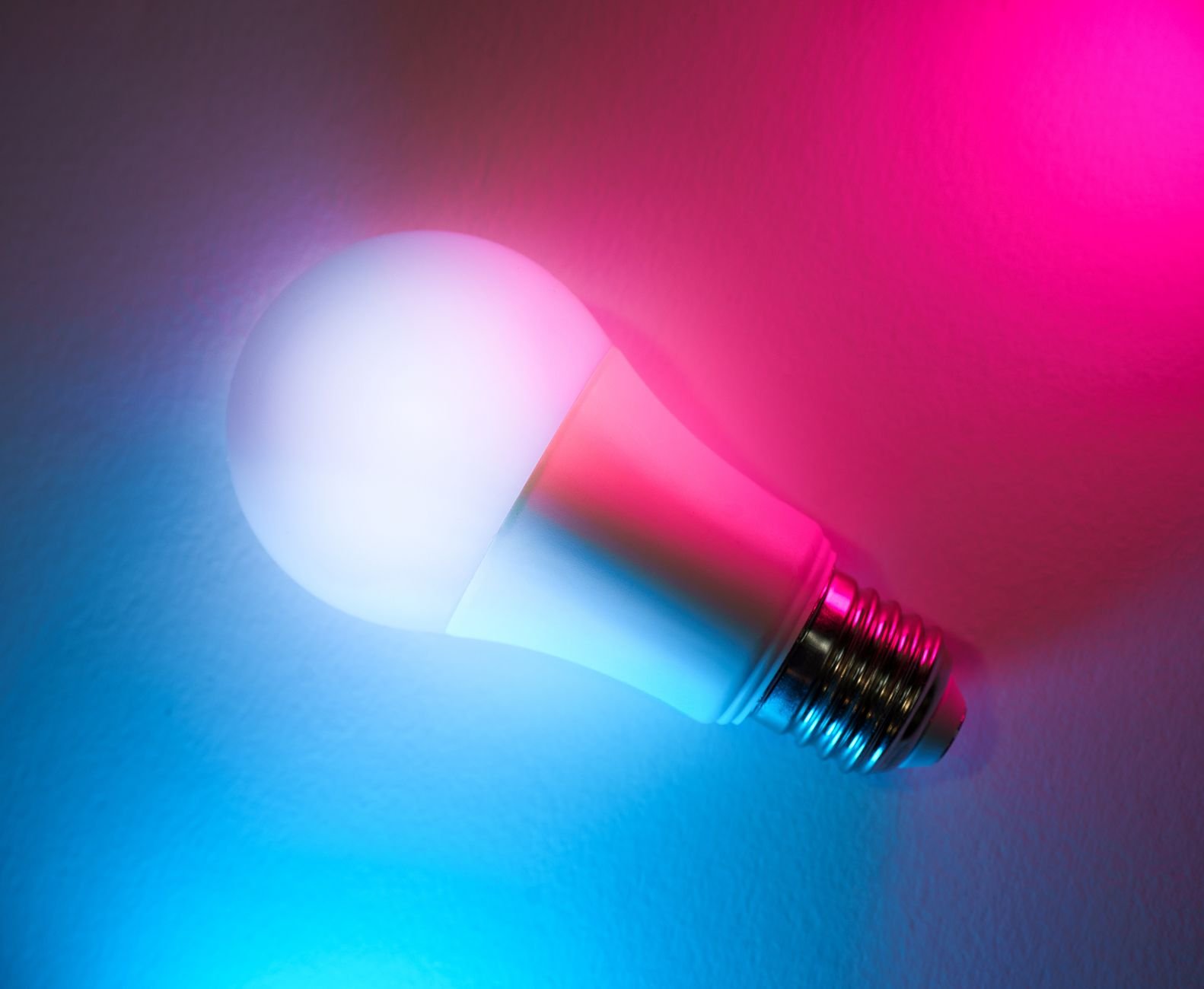
Navigating the burgeoning landscape of smart home technology can seem daunting for the uninitiated, particularly when seeking a straightforward entry point. For beginners in 2026, the optimal smart light bulbs prioritize ease of installation, intuitive app interfaces, and reliable fundamental features. Brands such as Philips Hue (leveraging Bluetooth for initial setups), Govee (known for vibrant, user-friendly configurations), and TP-Link Kasa (offering Wi-Fi direct simplicity) consistently present solutions meticulously crafted for individuals entering the connected home ecosystem. The objective is to identify a smart lighting solution that provides immediate comfort and control without the complexity often associated with advanced smart home integrations.
Understanding the Beginner’s Priorities in Smart Lighting
The journey into smart lighting should be devoid of unnecessary hurdles. For the novice homeowner, certain aspects take precedence, ensuring a positive initial experience and fostering confidence for future smart home expansions.
Seamless Setup and Installation
The primary concern for a beginner is the ease with which a new device can be integrated into the living space. Smart light bulbs designed for new users emphasize a ‘screw-in-and-go’ philosophy. This typically involves either Bluetooth-only options for direct device-to-bulb control, eliminating the need for a separate hub, or Wi-Fi direct connection models that link directly to the resident’s existing home network. These approaches bypass the complexities of dedicated bridge devices or intricate network configurations, ensuring a frustration-free start. Modern advancements in bulb design often incorporate integrated chipsets that streamline the pairing process, making setup as simple as powering on the bulb and opening an app.
Intuitive App Control
Once installed, the control interface must be immediately understandable. An intuitive smart lighting application provides clear, accessible controls for basic functions such as on/off toggling, dimming capabilities, and color adjustments. The app’s design should prioritize user experience, minimizing cluttered menus and presenting essential features prominently. Furthermore, the ability to integrate effortlessly with popular voice assistants like Amazon Alexa or Google Assistant is a significant convenience factor. This allows the user to control lighting through simple verbal commands, adding a layer of domestic comfort and technological accessibility.
Essential Features for Everyday Comfort
For a beginner, the focus should be on foundational functionality rather than complex automations. Key features include:
- Reliability and Stability: The bulb should respond consistently to commands without delays or connectivity drops.
- Basic Scheduling: The ability to set lights to turn on or off at specific times, enhancing security and daily routines.
- Simple Scene Setting: Pre-defined lighting moods (e.g., ‘reading,’ ‘relaxing’) that can be activated with a single tap.
- Energy Monitoring: While not essential for all, some apps offer insights into energy consumption, aligning with contemporary sustainability trends.
The emphasis remains on robust, core functionalities that immediately enhance the home environment without requiring extensive technical knowledge.
Top Contenders for Novice Smart Light Users in 2026
Several brands consistently deliver excellent options for those embarking on their smart lighting journey, each with distinct advantages.
Philips Hue: The Premium Entry Point
Philips Hue remains a leader, offering a blend of premium quality and surprising accessibility for beginners. The brand’s Bluetooth-enabled bulbs are ideal for initial setups, allowing direct control from a smartphone without a bridge. This offers a low-barrier entry to the robust Hue ecosystem. While a Hue Bridge unlocks advanced features and whole-home synchronization, the Bluetooth option ensures new users can experience the system’s acclaimed color rendition and reliability from the outset. 2026 sees continued improvements in Hue’s ability to replicate natural light cycles, supporting human circadian rhythms, alongside enhanced bulb materials that provide superior light diffusion and energy efficiency.
Govee: Vibrant Simplicity and Visual Appeal
Govee has carved out a niche for its vibrant color capabilities and user-friendly interface. Many Govee smart bulbs offer dual Wi-Fi and Bluetooth connectivity, providing flexibility in setup. The Govee Home app is renowned for its intuitive color wheel and a myriad of preset lighting effects, including dynamic music synchronization features. This brand appeals to residents seeking a more expressive and aesthetically driven lighting experience without sacrificing simplicity. Advances in LED chip technology ensure richer color rendition and exceptional longevity, making Govee a compelling choice for beginners who prioritize visual impact and straightforward control.
TP-Link Kasa: Direct Wi-Fi Convenience
For those prioritizing a completely hub-free experience, TP-Link Kasa is a strong contender. Kasa smart bulbs connect directly to the homeowner’s existing Wi-Fi network, eliminating the need for additional hardware. The Kasa app is straightforward, providing essential control over brightness, color (for RGB models), and scheduling. Kasa’s integration with major voice assistants is robust, offering reliable hands-free operation. In 2026, Kasa benefits from improved Wi-Fi mesh integration, enabling broader home coverage and more stable connections, a significant advantage for sprawling properties or homes with numerous connected devices.
Other Notable Mentions
- Wyze: Offers budget-friendly smart bulbs that integrate seamlessly into the broader Wyze ecosystem, appealing to cost-conscious consumers.
- Eufy: Known for its security products, Eufy’s smart bulbs prioritize simplicity and often integrate well within the brand’s home security framework.
Key Considerations for the 2026 Smart Home Resident
Beyond specific brands, several overarching factors are crucial for a beginner selecting smart light bulbs in the current technological landscape.
Connectivity Protocols: Bluetooth vs. Wi-Fi vs. Zigbee
For the initial smart lighting foray, Bluetooth and Wi-Fi remain the most accessible protocols. Bluetooth offers direct, device-to-bulb control, ideal for single rooms or small setups. Wi-Fi allows for broader control within the home network without a dedicated hub. While Zigbee (often requiring a bridge, like with some Philips Hue setups) offers benefits for larger, more complex smart home systems, its initial setup can add a layer of complexity for pure beginners. Understanding these distinctions helps the resident choose a system that matches their immediate comfort level.
Ecosystem Compatibility and Future-Proofing
A crucial consideration for 2026 is the importance of choosing a system that is compatible with existing or planned smart home devices. The burgeoning adoption of the Matter standard is a game-changer, simplifying future integrations for beginners. Matter-certified devices promise universal interoperability across different brands and ecosystems, meaning a bulb purchased today should seamlessly connect with future smart home hubs and devices, regardless of their manufacturer. Prioritizing Matter-ready or Matter-upgradable bulbs is a wise strategy for long-term flexibility.
Energy Efficiency and Sustainable Choices
All modern smart light bulbs utilize energy-efficient LED technology as standard. However, 2026 trends emphasize further sustainability. Residents should consider bulbs with low-power standby modes, minimizing idle energy consumption. Additionally, some manufacturers are now focusing on sustainable material sourcing and designing bulbs for enhanced longevity and even repairability, aligning with a broader commitment to environmental responsibility.
Installation Simplicity and Aesthetic Integration
The chosen bulb should simply screw into existing fixtures. Beyond functionality, the aesthetic integration into the home is paramount. Smart bulbs come in various shapes (A19 for standard, BR30 for recessed, candelabra for decorative fixtures) and finishes. Selecting bulbs that complement the existing interior design ensures that smart lighting enhances domestic comfort visually as well as functionally.
Conclusion
Identifying the optimal smart light bulb for beginners in 2026 hinges on a balance of simplicity, reliability, and essential functionality. Whether opting for the dependable ecosystem of Philips Hue via Bluetooth, the vibrant and user-friendly experience of Govee, or the straightforward Wi-Fi convenience of TP-Link Kasa, the primary goal is a smooth, enjoyable introduction to smart lighting. Starting with a basic, intuitive system allows the homeowner to gradually expand their smart home capabilities with confidence, transforming their living space into a more comfortable, efficient, and responsive environment.