
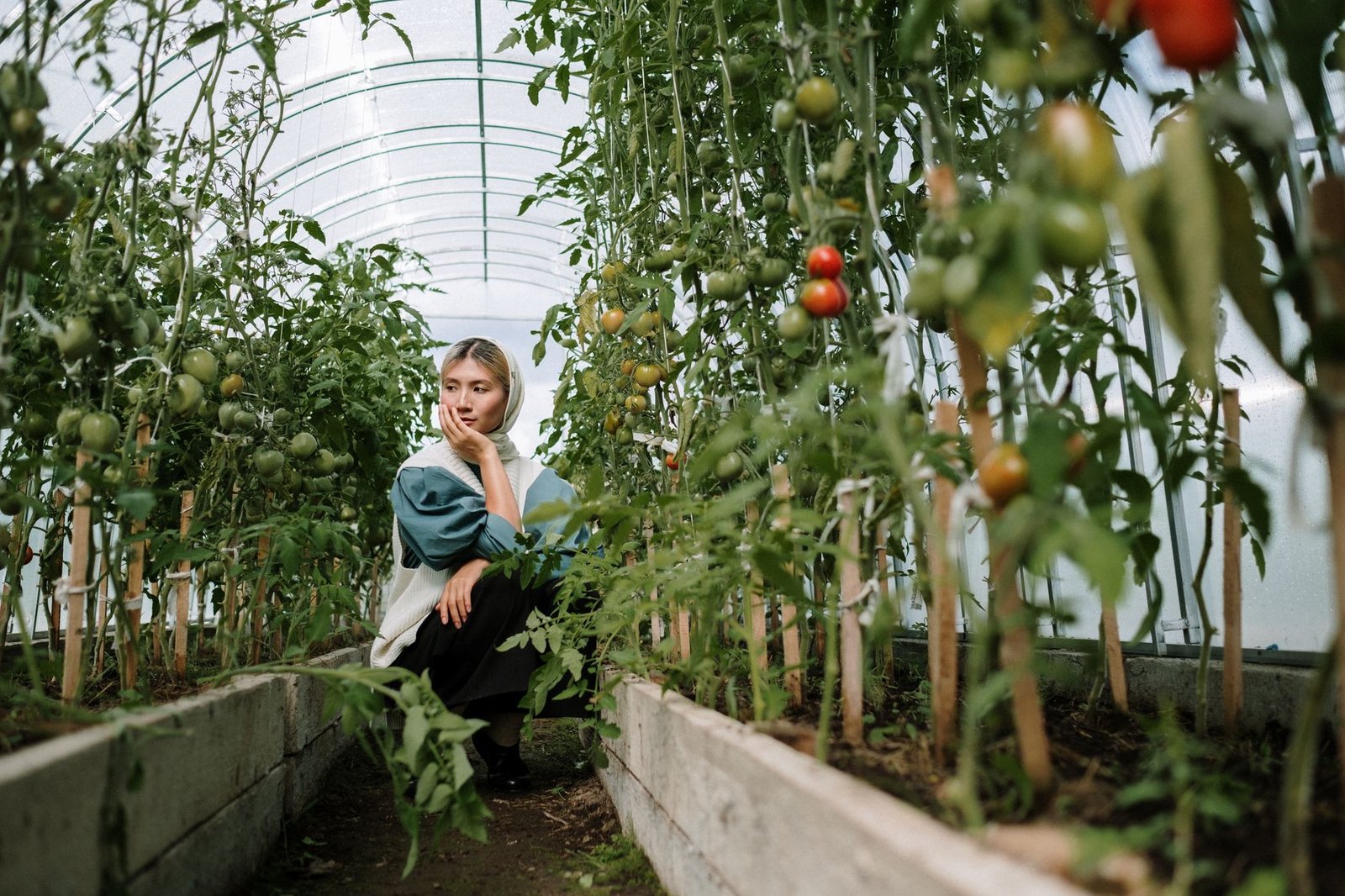
In 2026, the demand for homegrown food aligns with increasingly busy lifestyles, making intensive gardening a challenge. For individuals seeking fresh produce without constant demands, resilient edible plants offer a perfect solution. This article outlines 10 specific edible plants that thrive on minimal care, ensuring successful harvests for time-constrained gardeners in the current year.
The Rise of Low-Maintenance Edibles in 2026
Domestic horticulture in 2026 is driven by accessible, sustainable food production. Urbanization and time constraints have significantly boosted low-intervention gardening trends. Modern innovations like advanced slow-release nutrient granules within biochar-enhanced substrates now provide extended nutrient availability, reducing frequent fertilization. Furthermore, self-regulating irrigation systems, often leveraging AI-powered sensors for optimal moisture management, are increasingly common. These advancements, coupled with a focus on hardy plant varieties, make “set-it-and-forget-it” gardening a tangible reality for busy homeowners and residents.
Top 10 Resilient Edible Plants for 2026
The following plants have been selected for their remarkable ability to flourish with minimal human intervention, making them ideal choices for busy gardeners prioritizing efficiency and consistent yields in 2026.
-
Mint (Mentha spp.)
Mint varieties require minimal encouragement. Its vigorous spreading habit makes container cultivation ideal for containment. Once established, minimal watering and occasional harvesting provide a continuous supply of aromatic leaves. Mint adapts well to various soil conditions and partial shade, proving its exceptional tolerance for neglect in any 2026 garden.
-
Rosemary (Rosmarinus officinalis)
This Mediterranean herb embodies drought tolerance. Once established, rosemary demands very little watering or feeding. It prefers full sun and well-drained soil, perfect for arid zones or modern quick-draining soil mixes. Pruning is mainly for shaping or harvesting, not essential for its survival, aligning with low-intervention landscaping principles.
-
Thyme (Thymus vulgaris)
Similar to rosemary, thyme thrives in sunny, dry conditions and average soil. Its hardiness allows it to withstand drought and cold with remarkable fortitude. Thyme makes an excellent groundcover, requiring virtually no care beyond occasional harvesting. It integrates well into 2026 drought-resistant designs for both aesthetic appeal and practical use.
-
Garlic (Allium sativum)
For a true “plant and forget” experience, garlic is an excellent choice. Planted in autumn, cloves develop roots over winter and emerge robustly in spring. It needs initial watering after planting, then largely cares for itself until early summer harvesting. Minimal pest issues and a preference for average soil make it a robust crop for busy schedules.
-
Swiss Chard (Beta vulgaris subsp. cicla)
Swiss chard is recognized for its “cut-and-come-again” nature and adaptability to various conditions. More heat-tolerant than many leafy greens, it also withstands light frosts, significantly extending harvest seasons. Regular harvesting of outer leaves encourages continuous production, minimizing replanting needs and providing persistent yields with minimal fuss in 2026 gardens.
-
Kale (Brassica oleracea var. sabellica)
Another robust and highly productive leafy green, kale tolerates cooler temperatures exceptionally well, extending its growing season. Its hardy leaves can even be harvested after a light freeze, enhancing flavor. Generally pest-resistant, established kale requires infrequent watering, especially when cultivated in moisture-retentive, compost-rich soils, a staple in 2026 sustainable gardening.
-
Rhubarb (Rheum rhabarbarum)
A perennial powerhouse, rhubarb is among the most low-maintenance edible plants. Once established (which may take a year or two), it can produce for decades with minimal intervention. It prefers rich, well-drained soil and sun but tolerates neglect. Annual mulching and occasional division every few years comprise its minimal care requirements for continuous yields.
-
Jerusalem Artichokes (Helianthus tuberosus)
Also known as sunchokes, these plants are incredibly resilient and highly productive. They tolerate a wide range of soil types and thrive from full sun to partial shade. Their vigor often necessitates containment to prevent garden takeover. Planted once, they reliably produce tubers year after year with no input other than harvesting, epitomizing neglect-tolerance.
-
Strawberries (Fragaria spp.)
While often perceived as delicate, many strawberry varieties, particularly alpine or everbearing types, are remarkably self-sufficient. They spread readily via runners, forming natural groundcovers that suppress weeds. With adequate initial soil preparation and mulching, they provide continuous fruit with minimal watering, especially when integrated into smart garden beds.
-
Bush Beans (Phaseolus vulgaris)
Bush beans are an excellent choice for the busy gardener due to their rapid growth and ability to enrich soil with nitrogen. They require relatively little attention after initial planting and watering. Unlike pole varieties, bush beans do not need staking, simplifying cultivation. Succession planting can provide steady harvests with minimal effort per batch.
Cultivation Tips for the Neglect-Tolerant Garden
Even the most resilient plants benefit from foundational practices to maximize independent thriving. In 2026, leveraging smart gardening techniques further enhances success.
- Soil Preparation: Invest in rich, well-draining soil from the outset. Incorporating high-quality compost and biochar improves structure, water retention, and nutrient availability, reducing subsequent intervention. Modern soil amendment kits offer targeted microbial inoculants.
- Strategic Placement: Understand each plant’s sun requirements. Optimal light minimizes stress and maximizes natural growth. Consider microclimates.
- Initial Establishment: Consistent watering during initial establishment is crucial for strong root development. Smart irrigation drippers or self-watering planters with moisture sensors can automate this.
- Mulching: A generous layer of organic mulch significantly reduces water evaporation, suppresses weeds, and moderates soil temperature, dramatically lowering maintenance.
- Container Gardening: For urban dwellers, advanced composite planters with superior insulation and self-watering inserts further reduce manual watering frequency.
- Drought-Tolerant Varieties: Select cultivars specifically bred for drought resistance or hardiness from 2026 seed banks.
Embracing Sustainable and Effortless Edible Landscapes
Creating an edible landscape that thrives on minimal intervention is both a convenience and a step towards sustainable living and enhanced domestic comfort. By integrating these resilient edible plants, individuals can enjoy a consistent supply of fresh, healthy produce with significantly reduced time commitment. This approach aligns perfectly with contemporary lifestyles and environmental consciousness, fostering a deeper connection to nature without demanding extensive labor. In 2026, it empowers every homeowner and resident, regardless of schedule, to cultivate a productive and rewarding green space.