
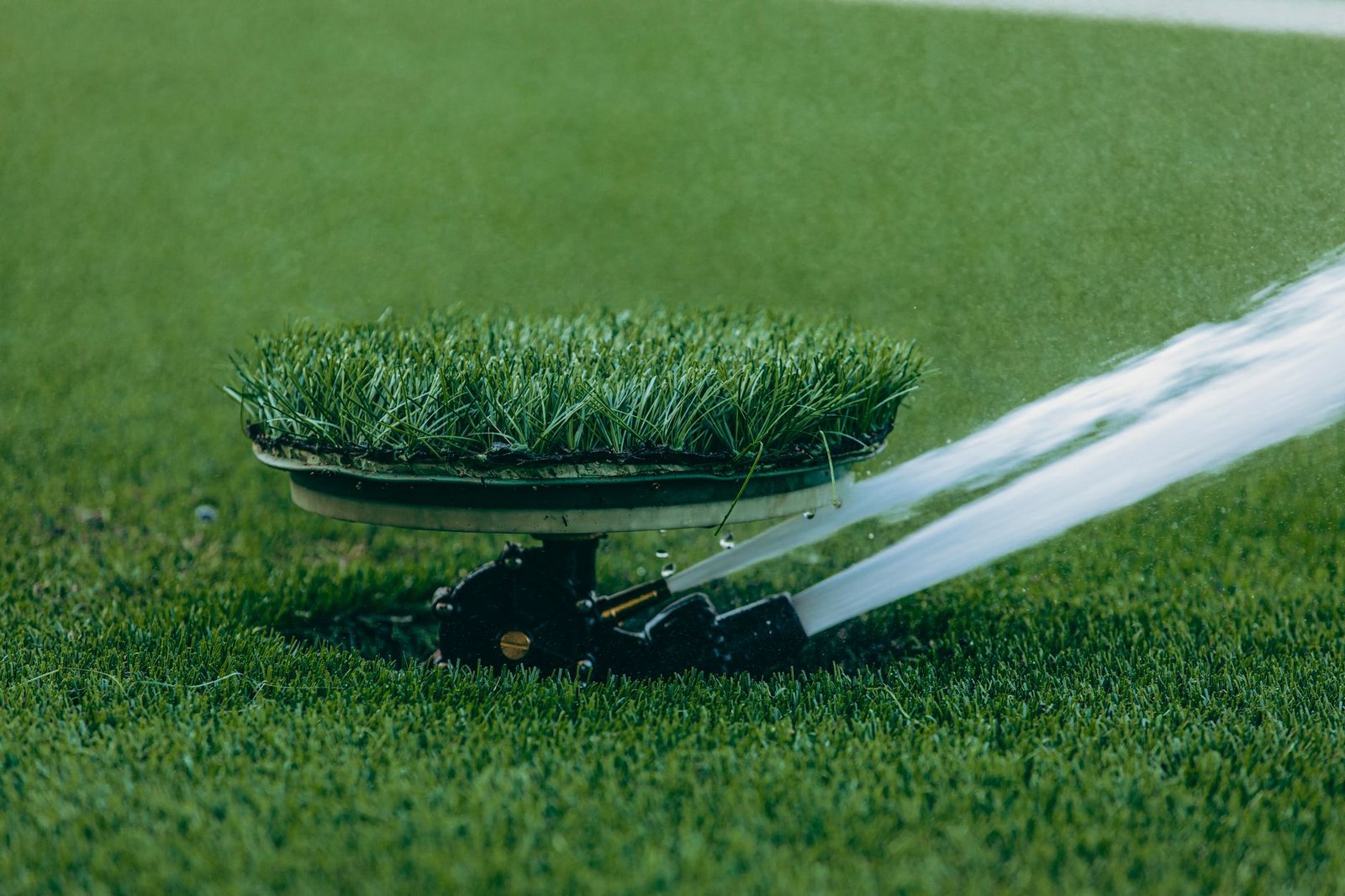
For drought-prone gardens in 2026, the optimal irrigation strategy centers on a highly efficient combination of drip irrigation or sub-surface drip irrigation (SDI) meticulously managed by advanced smart controllers utilizing real-time environmental data. This integrated approach minimizes water waste, delivers hydration precisely where needed, and adapts dynamically to evolving climatic conditions, making it indispensable for sustainable landscaping in arid and semi-arid regions.
Amidst increasing global water scarcity and unpredictable weather patterns, selecting the correct irrigation system is paramount for garden resilience. The latest innovations prioritize water conservation without compromising plant health, offering sophisticated solutions for the environmentally conscious homeowner.
Understanding the Imperative for Water-Efficient Irrigation
Gardens in drought-prone areas face unique challenges, primarily the need to sustain plant life with significantly reduced water availability. Traditional irrigation methods, such as overhead sprinklers, often lead to substantial water loss through evaporation, wind drift, and runoff, rendering them unsustainable. The drive towards efficiency is not merely an environmental concern but an economic necessity, with rising water costs and stricter municipal regulations becoming common in 2026.
Key Considerations for Drought-Prone Landscapes:
- Maximized Efficiency: Systems must deliver water directly to the plant root zone, minimizing surface evaporation and runoff.
- Adaptability: Solutions should respond to varying soil moisture levels, weather forecasts, and plant-specific needs.
- Sustainability: The use of durable, often recycled, materials and low-energy operation is increasingly valued.
- Smart Integration: Connectivity and automation are no longer luxuries but essential tools for proactive water management.
Core Efficient Irrigation Systems for 2026
1. Drip Irrigation (Surface and Sub-Surface)
Drip irrigation remains the cornerstone of water-efficient gardening. This system delivers water slowly and directly to the plant base via a network of emitters, tubes, and valves. In 2026, advancements in emitter technology include pressure-compensating emitters that ensure uniform water distribution across varying terrains and biodegradable drip lines for temporary installations.
- Surface Drip: Ideal for annuals, vegetables, and container plants, allowing for visual inspection of water delivery. Modern lines feature UV-resistant, recycled polymers for enhanced longevity.
- Sub-Surface Drip Irrigation (SDI): Arguably the superior choice for permanent plantings, turf, and larger garden beds in drought zones. SDI delivers water directly to the root zone, significantly reducing evaporation and runoff. Contemporary SDI systems feature root-intrusion barriers and self-flushing emitters, often made from advanced composites, to maintain optimal performance over years.
Benefits: Up to 90% water efficiency, reduced weed growth (water is not broadcast), less foliage disease, and adaptability to complex garden layouts.
2. Soaker Hoses
Soaker hoses are porous hoses that slowly weep water along their entire length, ideal for densely planted rows or raised beds. While less precise than drip systems, they offer a low-cost, easy-to-install solution for many garden types. 2026 materials often include recycled rubber or permeable fabrics, offering good durability and flexibility.
Benefits: Simple installation, effective for linear plantings, and minimal setup cost. Best suited for areas where targeted water delivery is less critical than broad, gentle saturation.
3. Micro-Sprinklers and Emitters
For groundcovers, shrubs, and areas requiring broader coverage than a single drip emitter but less than a full sprinkler system, micro-sprinklers and specialized emitters (e.g., bubblers, sprayers) provide a flexible middle ground. These systems deliver water in a fine spray or stream over a small radius, typically with adjustable flow rates. Advances in nozzle design in 2026 focus on extremely low precipitation rates and precise patterns to minimize overspray and evaporation.
Benefits: Targeted application for specific plant groupings, highly customizable, and efficient for specific landscape features.
The Indispensable Role of Smart Irrigation in 2026
The true power of modern drought-proofing lies in the integration of smart technology. These systems leverage data to optimize watering schedules, ensuring every drop counts.
Key Smart Irrigation Components:
- Weather-Based Controllers: These connect to local weather stations or retrieve data from online sources (e.g., evapotranspiration rates, precipitation forecasts). They automatically adjust watering schedules based on real-time conditions, preventing unnecessary watering after rain or during high humidity. Predictive algorithms in 2026 allow for even greater accuracy, anticipating needs based on microclimates.
- Soil Moisture Sensors: Placed directly in the garden bed, these sensors measure the actual moisture content of the soil and communicate with the controller. This direct feedback ensures watering only occurs when the soil dries to a predetermined level, avoiding over or under-watering. New generation sensors in 2026 offer wireless, self-calibrating capabilities and enhanced durability.
- Rain Sensors: Simple yet effective, these detect rainfall and temporarily shut off the irrigation system, preventing activation during or immediately after precipitation.
- Internet of Things (IoT) Integration: Smart controllers are fully integrated into smart home ecosystems, allowing for remote monitoring and control via smartphone applications. This connectivity provides homeowners with granular control, real-time alerts, and comprehensive water usage reports, enabling informed decisions.
- AI and Machine Learning: The most advanced systems in 2026 employ artificial intelligence to learn garden-specific water needs over time. By analyzing historical data, plant types, soil conditions, and weather patterns, AI algorithms can create highly personalized and predictive watering schedules that continually optimize for efficiency and plant health.
Advanced Solutions and Future Trends
Rainwater Harvesting and Greywater Recycling Integration
Integrating irrigation systems with rainwater harvesting tanks and greywater recycling systems represents a significant trend in 2026. Collected rainwater or treated greywater can be used to supplement or fully supply drip irrigation systems, drastically reducing reliance on municipal water supplies. These integrated solutions require careful design and adherence to local regulations but offer substantial long-term sustainability benefits.
Autonomous and Self-Healing Components
Research and development in 2026 are exploring self-diagnosing and even self-healing irrigation components. Imagine systems that can detect a leak and automatically attempt a repair, or proactively alert the resident to potential issues before they escalate. Such innovations promise to reduce maintenance and enhance system longevity.
Choosing the Optimal System for a Specific Garden
Selecting the