
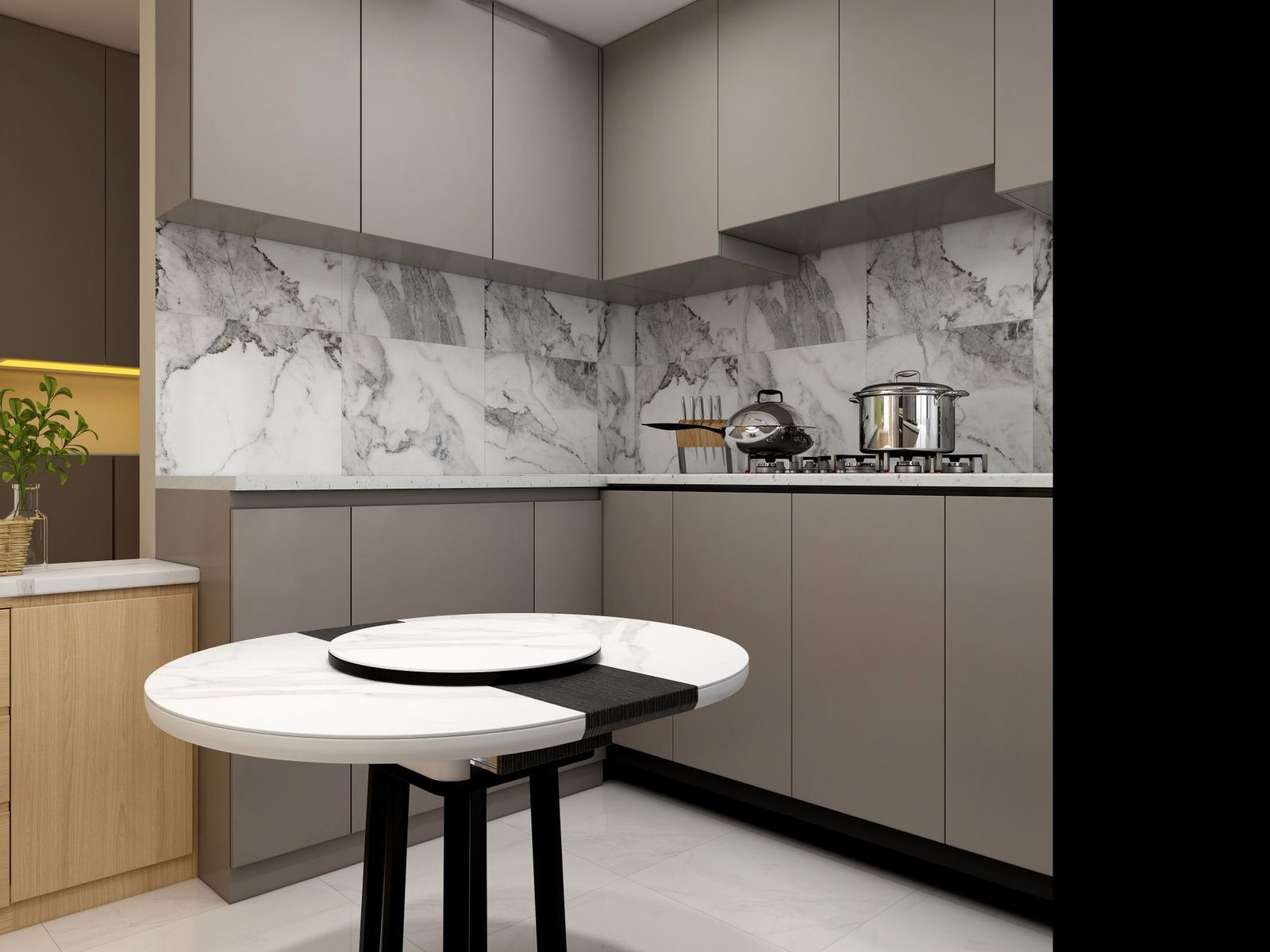
For homeowners managing compact living spaces, the perception of a ‘basic’ aesthetic can be a common challenge. However, achieving a luxurious ambiance does not necessitate extensive demolition or costly overhauls. In 2026, elevating a small home’s design to a sophisticated level is entirely achievable through strategic, non-renovation upgrades that focus on sensory richness, thoughtful layering, and contemporary innovations. The following five high-impact design strategies offer concrete pathways to transform modest footprints into opulent havens.
Elevating Tactile Surfaces and Textures
The immediate sensory experience of a space is profoundly influenced by its surfaces and textiles. For 2026, the emphasis is on sustainable luxury and diverse textures that invite touch and contemplation, fundamentally altering the perception of a room without structural changes.
High-Quality Textiles and Upholstery
Replacing standard cushions, throws, and rugs with premium alternatives instantly upgrades comfort and visual appeal. Think about deep-pile mohair throws, velvet or silk pillow covers, and woven rugs crafted from Tencel or recycled cashmere blends. These materials introduce a richness that mass-produced items often lack. Strategically placed, a single statement textile piece can anchor a room with luxury.
Strategic Material Accents
Introduce small, yet impactful, elements crafted from natural stone, exotic wood veneers, or sustainable composites. A polished marble tray on a coffee table, a small side table with a quartz top, or decorative objects made from recycled glass or bioplastics can add significant visual weight. The focus in 2026 is on responsibly sourced materials and innovative eco-luxury alternatives that mimic traditional high-end finishes.
Sophisticated Wall Treatments
While full wallpapering can be a commitment, smaller sections or even a single accent wall can be transformed with peel-and-stick luxury wallpapers. Trends for 2026 include textured linen-look, subtle metallic sheens, or intricate biophilic patterns that bring an organic yet refined touch. These treatments add depth and character, moving beyond plain painted walls without the permanence of traditional wallpaper or the disruption of renovation.
Mastering Illumination and Ambiance
Lighting is paramount in shaping the mood and perceived size of a small space. Thoughtful illumination strategies can create layers of warmth, highlight architectural features, and expand visual boundaries, all without touching electrical wiring for major changes.
Layered Lighting Design
Moving beyond a single overhead light is crucial. Incorporate a mix of ambient, task, and accent lighting. Dimmable floor lamps with sculptural bases, compact table lamps with artisanal shades, and discreet LED strip lighting (battery-operated or plug-in) can be strategically placed. The ability to adjust brightness and color temperature allows the resident to curate distinct moods for different times of day. Smart bulbs, easily controlled via apps, are an accessible 2026 upgrade.
Statement Fixtures and Architectural Accents
Even in a small room, a carefully chosen pendant light or a striking wall sconce (plug-in options exist) can serve as a sculptural art piece. Consider fixtures made from hand-blown glass, brushed brass, or innovative sustainable materials. For a subtle yet impactful architectural touch, self-adhesive, rechargeable LED picture lights can highlight artwork, drawing the eye and adding a gallery-like feel.
Curated Accents and Artistry
Luxury is often conveyed through carefully selected items that reflect personality and intention, rather than clutter. In small spaces, every accessory must earn its place, contributing to a cohesive and elevated narrative.
Oversized Art and Sculptural Objects
Counterintuitively, a single, large piece of art or a substantial sculptural object can make a small room feel grander by drawing attention and establishing a focal point. This approach avoids the visual noise of many small items. For 2026, digital art displays framed as traditional canvases offer dynamic options, allowing the homeowner to change their ‘collection’ effortlessly.
Bespoke Mirrors and Strategic Reflections
Mirrors are invaluable in small spaces for reflecting light and creating the illusion of depth. Opt for mirrors with unique frames – perhaps carved wood, aged brass, or an organic, asymmetrical shape. Placing a large mirror opposite a window can amplify natural light and visually expand the room.
Biophilic Design Elements
Integrating natural elements like lush indoor plants in elegant planters (e.g., terracotta, ceramic, or self-watering smart planters) or small, carefully arranged floral displays adds life and organic beauty. This 2026 trend connects the interior with nature, promoting a sense of well-being and luxury.
Integrated Smart Home Enhancements
Modern luxury seamlessly blends comfort with cutting-edge technology. Many smart home upgrades can be implemented without extensive wiring or professional installation, offering convenience and an elevated living experience.
Smart Climate and Air Quality Solutions
Portable smart air purifiers with elegant designs, intelligent diffusers that disperse customized scent profiles, and smart thermostats (if applicable) can be integrated. These devices offer precise control over environmental comfort, contributing to a truly luxurious atmosphere. Advanced air quality monitoring, often integrated into stylish units, is a key wellness trend for 2026.
Discreet Entertainment and Automation
Consider hidden Bluetooth speakers that blend into decor, or smart display frames that cycle through curated artwork when not in use. Automated smart blinds or curtains (battery-powered models are readily available) allow for effortless light control, adding a layer of sophisticated convenience. These non-intrusive technologies enhance daily living without disrupting the aesthetic.
Personalized Bespoke Details
True luxury often lies in the details that cater specifically to the resident’s needs and preferences, creating a sense of custom craftsmanship without undertaking full renovations.
Hardware Upgrades
Swapping out generic cabinet pulls, drawer handles, and door knobs for designer-quality hardware can dramatically change the perceived value of existing furniture or built-ins. Materials like solid brass, matte black steel, or handcrafted ceramic provide an immediate upgrade. This is a low-cost, high-impact adjustment that often goes overlooked.
Custom Storage and Organization Solutions
While built-in cabinetry might be a renovation, introducing bespoke organizing inserts for drawers, custom shelving units (stand-alone, not built-in), or elegant storage boxes made from fine materials like leather or wood can elevate functionality and appearance. Well-organized spaces inherently convey a sense of calm and luxury, especially in smaller homes.
Curated Scent and Sound Profiles
Beyond visual appeal, engaging the senses of smell and hearing can significantly enhance the perception of luxury. Utilizing high-quality essential oil diffusers with sophisticated, layered scents or investing in a discreet sound system for ambient music can create an immersive, personalized environment. This holistic approach ensures every aspect of the small home feels thoughtfully considered and deliberately opulent.
By focusing on these five categories of non-renovation upgrades, any homeowner can transform a ‘basic’ small home into a sanctuary of modern luxury. The key is intentionality in material selection, thoughtful lighting, curated accessories, smart technology integration, and personalized details, all aligned with the evolving design sensibilities of 2026.