
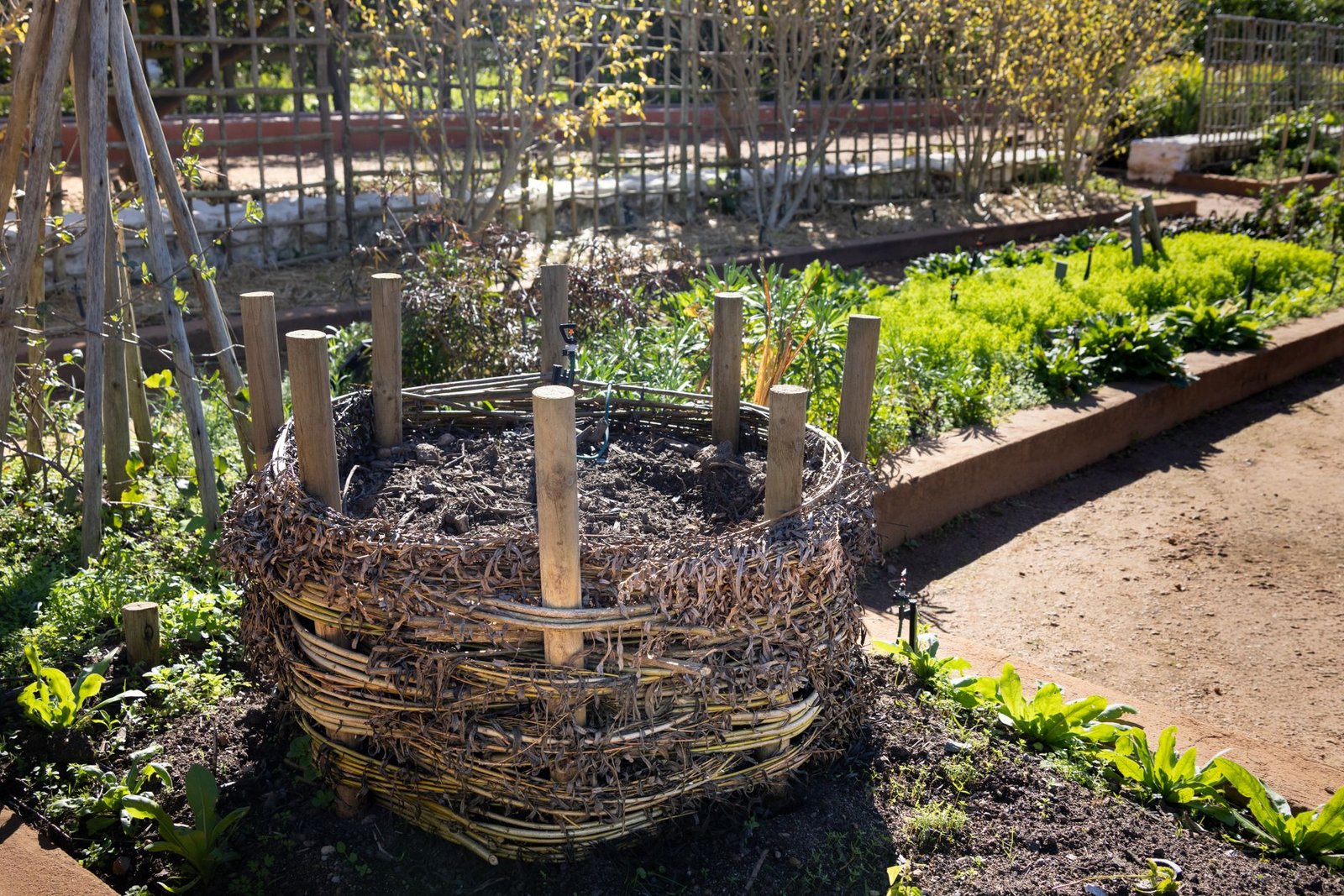
Understanding Small Backyard Composting Needs in 2026
For residents with compact outdoor spaces, selecting the optimal compost bin in 2026 requires a balance of efficiency, aesthetics, and minimal footprint. The best compost bin for a small backyard facilitates rapid decomposition while effectively controlling odors and integrating seamlessly into modern landscape designs. This guide reviews top-rated options, focusing on features crucial for limited areas, ensuring that the homeowner can sustainably manage organic waste without compromising space or comfort.
Composting in a small backyard demands specific considerations. Space efficiency is paramount, dictating the need for compact, often vertical or tumbling designs. Odor control is another critical factor, particularly when proximity to living areas is unavoidable. Furthermore, the bin’s design should complement the evolving aesthetic of contemporary outdoor living, moving beyond purely utilitarian forms to offer attractive, discreet solutions.
Top Compost Bin Categories for 2026 Small Backyards
1. Tumbler Composters
Tumbler composters remain a perennial favorite for small backyards due to their efficiency and enclosed design. These units typically feature a rotating barrel that allows for easy turning of compost material, significantly accelerating the decomposition process. In 2026, leading models often incorporate:
- Advanced Aeration: Improved ventilation holes and internal fins ensure consistent airflow, which is crucial for aerobic decomposition and odor prevention.
- Durable, Recycled Materials: Many tumblers now utilize UV-stabilized, high-grade recycled plastics or bio-composite materials, offering longevity and sustainability.
- Dual-Chamber Designs: These allow for continuous composting, with one chamber curing while the other is actively filled. This feature is particularly efficient for consistent waste producers.
- Enhanced Sealing: Tighter seals on access doors help contain odors and deter pests, a significant benefit in residential settings.
Popular choices for 2026 include models with a capacity range of 30-50 gallons, optimizing material breakdown without consuming excessive ground space. Look for ergonomic handles and sturdy stands that elevate the tumbler for easier turning and collection.
2. Worm Composting (Vermicomposting) Systems
Vermicomposting offers an exceptionally compact and odor-free method ideal for small backyards, patios, or even indoor settings. Worm farms utilize specific species of earthworms (typically red wigglers) to break down organic waste into nutrient-rich vermicompost and ‘worm tea’.
Modern vermicomposting systems often feature:
- Stackable Trays: Modular designs allow for expansion as composting needs grow, optimizing vertical space.
- Drainage Spigots: Convenient collection of liquid fertilizer (worm tea).
- Aesthetic Appeal: Many units are designed with pleasing aesthetics, resembling decorative planters or furniture, making them suitable for visible areas.
- Smart Monitoring (Emerging Trend): Some higher-end 2026 models are beginning to integrate basic sensors for temperature and moisture, providing feedback to the user via simple indicators to maintain optimal worm health.
Vermicomposting is particularly suited for kitchen scraps and shredded paper, making it an excellent choice for individuals generating primarily food waste. Odor is virtually non-existent when properly maintained, and the process is remarkably quiet and contained.
3. Compact Static Bins and Bokashi Systems
For those preferring a traditional approach with minimal space, compact static bins offer a straightforward solution. While not as fast as tumblers, modern designs focus on improved ventilation and durable construction.
Bokashi composting, though technically a fermentation process rather than decomposition, merits inclusion for its unparalleled ability to process all food waste, including meat and dairy, in a compact, odor-controlled environment before it’s buried or added to a traditional compost bin. Bokashi bins are small, sealed containers that use an inoculated bran to ferment waste, preparing it for rapid breakdown in soil or a standard compost pile. This two-step process is highly effective for small spaces where traditional composting might struggle with certain waste types.
- Airtight Seals: Essential for the anaerobic Bokashi process, ensuring no odors escape.
- Integrated Spigots: For draining ‘Bokashi tea,’ a potent liquid fertilizer.
- Durable, Food-Grade Materials: Ensuring safety and longevity.
Key Features and 2026 Innovations to Consider
Odor Control
Odor control is paramount for small backyard composters. Residents should prioritize bins with secure lids, robust sealing mechanisms, and adequate aeration systems. Tumblers with proper ventilation prevent anaerobic conditions, which cause foul smells. Vermicomposters are inherently low-odor when managed correctly. Bokashi systems are completely sealed during fermentation, preventing any smell.
Efficiency and Aeration
Faster decomposition reduces the volume of material and hastens the production of usable compost. Tumblers excel here due to easy turning. For static bins, lookout for innovative passive aeration designs, such as perforated bases or side vents that promote natural airflow. Some 2026 designs incorporate internal baffles or aerating tools to assist manual turning in non-tumbling units.
Material and Durability
The lifespan of a compost bin is directly tied to its construction materials. In 2026, a strong emphasis is placed on recycled, weather-resistant plastics and rust-proof metals for structural components. Materials should be UV-stabilized to prevent degradation from sun exposure, ensuring the bin remains functional and aesthetically pleasing for many years. Bio-composite materials, offering a blend of durability and reduced environmental impact, are also gaining traction.
Smart Features and Connectivity (Niche but Growing)
While still a niche market, some premium 2026 compost bins, especially larger communal or advanced tumbling units, are beginning to feature integrated sensors for temperature and moisture levels. These can provide basic feedback via indicator lights or, in rare cases, connect to a simple app, helping the user maintain optimal composting conditions. For small backyard bins, the focus remains on simpler, robust mechanical efficiency, but awareness of these emerging technologies is beneficial.
Aesthetics and Integration
As outdoor living spaces become extensions of the home, the visual impact of garden utilities is increasingly important. Many 2026 compost bins are designed with clean lines, neutral colors, and compact forms that blend into contemporary garden aesthetics. Some even mimic decorative garden features, transforming a functional item into a subtle landscape element.
Making the Right Choice for the Small Space
When selecting the best compost bin for a small backyard in 2026, the homeowner should evaluate their specific needs:
- Waste Type: Primarily kitchen scraps? Vermicomposting or Bokashi might be ideal. Garden waste and kitchen scraps? A tumbler could be more versatile.
- Maintenance Level: How often is the user willing to turn material? Tumblers require minimal effort.
- Space Constraints: Vertical stackable systems (vermicomposters) or compact tumblers offer the best footprint efficiency.
- Budget: Prices vary widely, but durable, efficient models are a worthwhile investment over time.
By carefully considering these factors, residents can select a compost bin that not only meets their sustainability goals but also enhances the functionality and comfort of their small outdoor living area, proving that even limited spaces can support effective and aesthetically pleasing composting practices.