
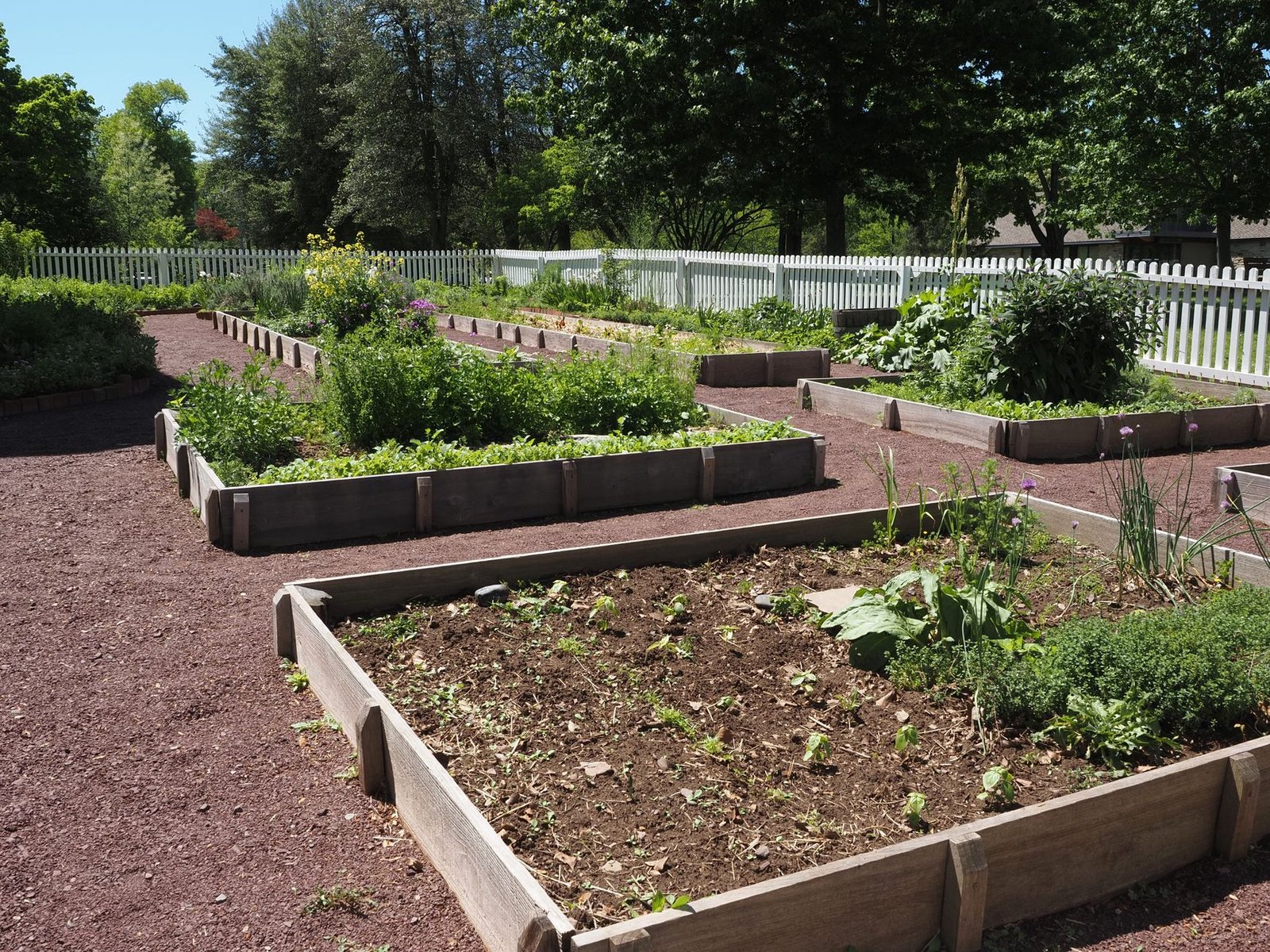
For individuals embarking on their first horticultural ventures in 2026, the foundational decision between a raised garden bed and traditional in-ground planting is paramount. Generally, raised garden beds present a more accessible entry point for novice growers, offering a controlled environment that simplifies many initial challenges. However, in-ground gardening holds distinct long-term advantages, making the optimal choice dependent on specific goals and site conditions. This comprehensive guide will dissect the pros and cons of each method, providing clarity for the aspiring gardener navigating current industry trends and material developments.
Understanding Raised Beds for Novices
Raised garden beds involve constructing a containment structure, typically from wood, metal, or composite materials, and filling it with an optimized soil mix. This method has seen a surge in popularity, particularly appealing to urban residents and those with less-than-ideal native soil.
Advantages for the Beginner Gardener
- Superior Soil Control: The resident has complete command over the soil composition, enabling the creation of an ideal, nutrient-rich growing medium tailored to specific plants. This bypasses the often arduous task of amending poor native soil.
- Reduced Weed Pressure: With a defined bed filled with fresh, weed-free soil, the incidence of weeds is significantly lower than in traditional ground plots, minimizing a common source of frustration for beginners.
- Improved Drainage: Raised beds inherently offer excellent drainage, preventing waterlogging which can be detrimental to plant roots. This is particularly beneficial in areas with heavy clay soils.
- Ergonomic Access: The elevated height of raised beds reduces the need for extensive bending and kneeling, making gardening more comfortable and accessible for individuals with physical limitations or those seeking a more convenient approach.
- Pest Deterrence: While not entirely impervious, the elevated nature and contained environment of raised beds can act as a minor barrier against some ground-dwelling pests.
- Extended Growing Season: The soil in raised beds warms up faster in the spring and retains heat longer into the autumn, potentially allowing for earlier planting and later harvests.
Considerations for Raised Bed Gardening
- Initial Investment: The primary drawback is the upfront cost associated with purchasing or constructing the bed materials and filling it with a sufficient volume of quality topsoil or specialized raised bed mix.
- Increased Watering Frequency: Due to better drainage and exposure to air, raised beds tend to dry out more quickly than in-ground gardens, necessitating more frequent watering, especially during hot, dry periods.
- Limited Root Depth: For plants with exceptionally deep taproots, the confined depth of a raised bed might present limitations, although most common vegetables and herbs thrive within typical bed dimensions.
- Material Longevity: The durability of the raised bed materials is a factor. While treated wood, metal, and modern composites offer good lifespans, natural wood can degrade over time without proper treatment or selection.
Navigating In-Ground Gardening for Beginners
Traditional in-ground gardening involves cultivating directly in the native soil, a method that has sustained agriculture for millennia. While it presents certain challenges for the uninitiated, it also offers unique benefits.
Advantages of Traditional Ground Plots
- Lower Initial Cost: The most significant advantage is the minimal upfront expense, as there is no need to purchase bed materials. The primary costs revolve around soil amendments and plants.
- Unlimited Root Space: Plants with extensive or deep root systems can flourish unimpeded, tapping into a larger reservoir of water and nutrients within the native soil structure.
- Reduced Watering Needs: Once established, in-ground gardens generally require less frequent watering than raised beds, as the surrounding earth retains moisture more effectively.
- Natural Ecosystem Integration: In-ground plots foster a more direct connection with the local soil microbiome and beneficial organisms, contributing to a resilient garden ecosystem over time.
- Scalability: For residents envisioning larger plots or extensive planting, in-ground gardening offers unmatched flexibility in terms of scale and layout.
Challenges for the In-Ground Novice
- Soil Amendment Demands: The most formidable hurdle for beginners is often the native soil quality. Testing, digging, tilling, and amending poor or compacted soil can be labor-intensive and require a deeper understanding of soil science.
- Persistent Weed Pressure: Weeds are typically more prevalent and persistent in in-ground gardens, necessitating consistent weeding efforts which can be physically demanding.
- Compaction Issues: Foot traffic and heavy rains can lead to soil compaction, impeding root growth and water penetration if not properly managed.
- Pest and Disease Management: In-ground gardens can be more susceptible to a wider range of soil-borne pests and diseases that may already be present in the native environment, requiring vigilant monitoring and management strategies.
- Physical Exertion: Preparing and maintaining an in-ground garden, especially if tilling is required or if the soil is dense, often involves more strenuous physical labor compared to a raised bed.
Comparative Analysis: Setup, Maintenance, and Yield in 2026
A direct comparison reveals how each method caters to different aspects of the beginner’s gardening journey.
Setup Complexity
- Raised Beds: The setup primarily involves material selection (e.g., modular composite kits, metal panels), assembly, and filling with a quality soil mix. While an initial financial outlay, the physical effort can be less strenuous than extensive ground preparation.
- In-Ground: Requires significant initial effort if the native soil is poor. This includes soil testing (facilitated by advanced digital kits in 2026), extensive digging, tilling, and incorporating substantial amendments like compost or biochar. If the soil is already good, setup is minimal.
Ongoing Maintenance
- Raised Beds: Maintenance is generally less labor-intensive for weeding but demands more frequent watering. Soil health can be maintained by adding compost annually. Smart irrigation systems, often integrated with moisture sensors, are standard features in many 2026 raised bed setups, significantly reducing manual watering.
- In-Ground: Requires consistent vigilance for weeds and pests. Watering can be less frequent but needs to be deep to encourage strong root systems. Regenerative practices such as no-till gardening, mulching, and cover cropping are widely adopted in 2026 to minimize disturbance and enhance soil health.
Yield Expectations
- Raised Beds: Often boast higher yields per square foot due to optimized soil conditions, closer plant spacing, and warmer soil allowing for earlier and later harvests. This density can be highly productive for smaller spaces.
- In-Ground: While potentially yielding lower per square foot in a poorly managed plot, a well-prepared in-ground garden can support much larger plants and greater overall volume given sufficient space. The deep soil reservoir can be advantageous for long-season crops.
2026 Trends and Modern Material Developments
The year 2026 brings exciting advancements impacting both gardening methods:
- Sustainable Materials: Modular raised bed kits increasingly utilize recycled plastics, wood-plastic composites (WPCs), and sustainably sourced timber (FSC certified). Cor-ten steel and galvanized steel remain popular for their durability and aesthetic.
- Smart Gardening Integration: Automated drip irrigation systems with app-controlled scheduling and integrated moisture sensors are becoming mainstream, particularly for raised beds, simplifying watering for busy residents.
- Advanced Soil Amendments: Biochar, designed for long-term soil carbon sequestration and improved water retention, is more accessible. Precision nutrient delivery systems, often informed by digital soil tests, ensure optimal plant nutrition.
- Regenerative Practices: For in-ground gardening, the emphasis is heavily on regenerative agriculture principles: minimizing soil disturbance (no-till), maximizing crop diversity, and enhancing soil organic matter through robust composting and cover cropping.
- Self-Watering Systems: Raised beds featuring integrated reservoirs are increasingly common, offering weeks of hydration and further reducing maintenance for the homeowner.
Making the Informed Choice for Your Garden Journey
For the absolute beginner in 2026, raised garden beds generally offer a less daunting and more controlled introduction to gardening. The ability to dictate soil conditions, reduce weeding, and enjoy ergonomic access can significantly boost early success and confidence. The initial investment is offset by a potentially smoother learning curve.
However, if the resident possesses naturally good soil, has ample space, and is prepared for more physical engagement and long-term soil building, in-ground gardening can be an incredibly rewarding and cost-effective endeavor. It connects the gardener more deeply with the land and its natural cycles.
Ultimately, the best approach depends on individual circumstances: available space, budget, physical capabilities, and the specific plants intended for cultivation. Regardless of the method chosen, starting small, observing, and learning from the garden are universal keys to success for any novice horticulturalist.