
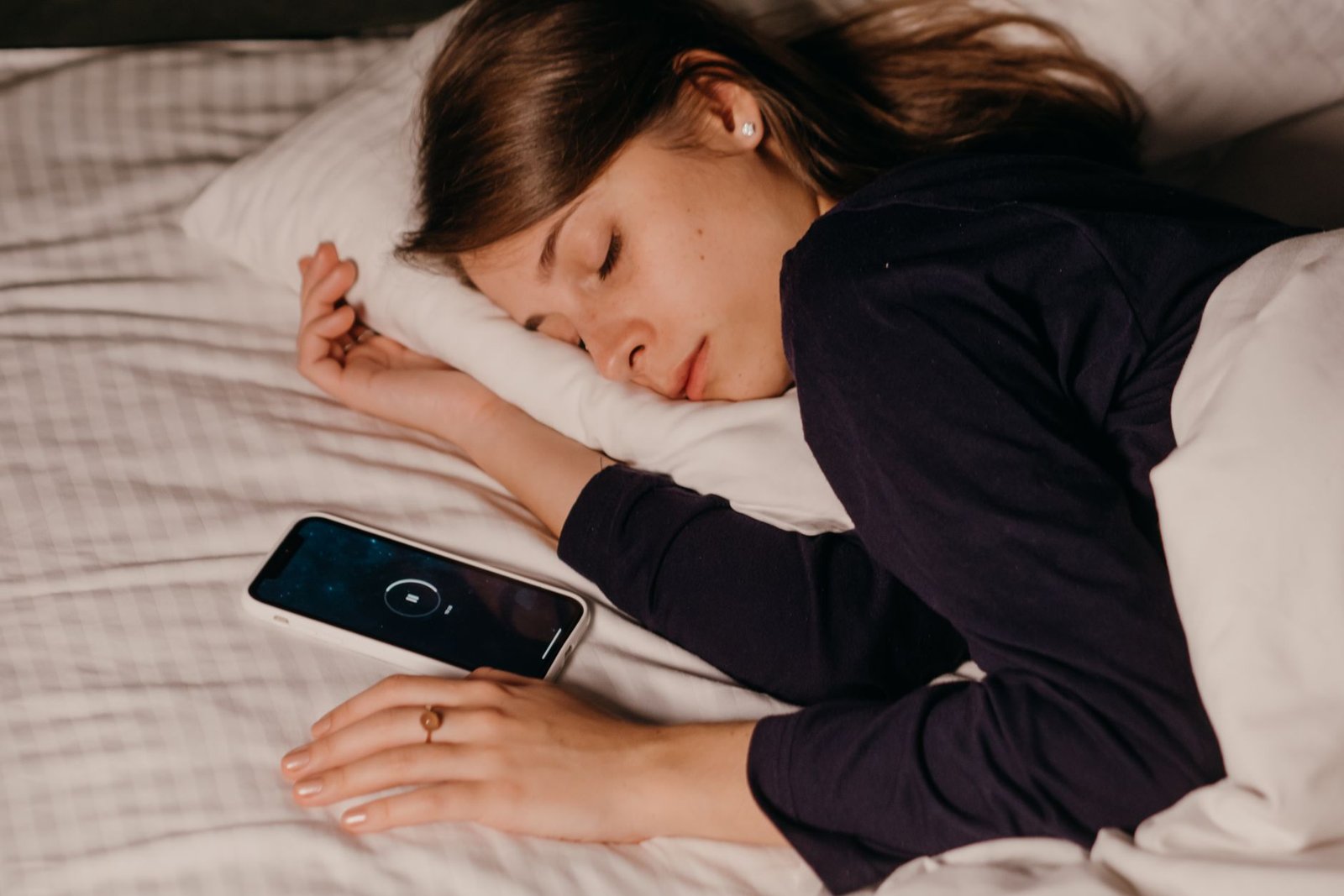
Achieving profound restful sleep is a cornerstone of domestic well-being, and in 2026, the market for white noise machines offers advanced solutions for this universal need. Determining the ‘best’ device hinges on individual priorities regarding sound fidelity, smart home integration, and sustainable design. This year’s leading models distinguish themselves through AI-driven personalization, enhanced portability, and eco-conscious material innovations, all contributing to superior sleep environments.
The Evolution of Sleep Technology: White Noise in 2026
The landscape of sleep-enhancing technology has undergone significant transformation, with white noise machines evolving far beyond simple sound generators. The year 2026 marks a pivotal point where devices are not just about masking noise but actively creating personalized acoustic sanctuaries. This evolution is driven by several key industry trends.
AI-Powered Personalization and Adaptive Soundscapes
A defining feature of 2026’s top-tier white noise machines is their integration of Artificial Intelligence. These intelligent systems analyze ambient noise levels in real-time and even learn the user’s sleep patterns through integrated biometric sensors or connected wearables. This allows for dynamic adjustment of sound profiles, volume, and even frequency to create an optimal, adaptive soundscape. For instance, a device might subtly shift from a steady white noise to a gentle pink noise as the resident enters deeper sleep stages, or increase volume momentarily to counter an unexpected external disturbance, then softly return to the baseline.
Sustainable Design and Material Innovation
Environmental responsibility is no longer a niche concern; it is a core expectation for consumers in 2026. Manufacturers are increasingly utilizing sustainable materials such as recycled ABS plastics, bamboo composites, and even bio-degradable components in their devices. Furthermore, energy efficiency is paramount, with machines featuring ultra-low power consumption modes and long-lasting, ethically sourced battery technologies for portable models. The aesthetic appeal often incorporates minimalist designs, natural textures, and finishes that seamlessly blend into contemporary interiors.
Seamless Smart Home Integration
The connected home is now standard, and 2026 white noise machines are fully integrated into broader smart home ecosystems. Compatibility with leading platforms such as Matter and Thread protocols allows for intuitive control via voice assistants, smart displays, and automated routines. A resident can program a sleep routine where the white noise machine activates in conjunction with smart lighting dimming, thermostat adjustments, and even air purification systems, creating a synchronized environment conducive to rest.
Key Criteria for Selecting a 2026 White Noise Machine
Evaluating the myriad options requires a focused approach, considering several critical factors that define a truly effective and modern sleep aid.
Sound Quality and Variety
Clarity and fidelity are paramount. The best machines offer high-resolution audio output, free from distortion or artificial looping artifacts. Beyond traditional white noise, leading models provide a diverse array of sound options, including pink noise (deeper frequency spectrum), brown noise (even lower frequencies), natural soundscapes (rain, ocean, forest), and even specialized frequencies designed for relaxation or focus. The ability to customize mixes or frequencies further enhances the user’s experience.
Smart Features and Connectivity
Beyond basic operation, modern machines offer significant technological advantages. Features to look for include:
- Companion Apps: For granular control, scheduling, and personalized sound profile creation.
- Biometric Feedback Integration: Devices that connect with sleep trackers to optimize sound.
- Alarm and Timer Functions: Gentle wake-up sounds or automatic shut-off timers.
- Haptic Feedback: Some advanced models now incorporate subtle vibrations for non-auditory calming, particularly beneficial for individuals with hearing sensitivities.
- Light Integration: Adjustable night lights or sunrise simulation features for holistic sleep and wake cycles.
Portability and Durability
For individuals who travel frequently or wish to move their device between rooms, portability is a key consideration. Compact designs, robust construction, and long-lasting rechargeable batteries (often USB-C enabled) are essential. Durability, especially concerning internal components and exterior casing, ensures longevity and consistent performance.
Material Innovation and Aesthetics
As discussed, the materials used contribute not only to sustainability but also to the device’s tactile experience and visual appeal. Homeowners often seek machines that complement their interior design, featuring minimalist aesthetics, premium finishes, and thoughtful ergonomics. Non-toxic, hypoallergenic materials are also a strong preference for health-conscious residents.
Top Contenders for Deeper Sleep in 2026
While specific brand names evolve rapidly, several archetypes represent the pinnacle of white noise technology in 2026.
The Premium Smart Hub
This category features devices that are central to a smart sleep ecosystem. They boast cutting-edge AI for adaptive sound, seamless Matter/Thread integration, a wide array of high-fidelity sounds, and advanced biometric feedback loops. Often larger, these are designed as permanent fixtures in the bedroom, offering comprehensive control over the sleep environment, sometimes even integrating air quality sensors or aromatherapy diffusers. Such devices prioritize holistic environmental control.
The Ultra-Portable Specialist
For the resident prioritizing flexibility, these machines offer incredible battery life, compact designs, and robust build quality for travel. While they may offer fewer smart home integrations than their hub counterparts, their focus is on delivering exceptional sound quality and a curated selection of essential sound profiles in any location. USB-C charging and durable, drop-resistant casings are standard. Portability without compromising sound quality is the hallmark.
The Eco-Conscious Choice
These devices appeal to homeowners who place sustainability at the forefront. They feature casings made from recycled or rapidly renewable resources, employ energy-harvesting technologies or highly efficient batteries, and often come with carbon-neutral certifications. Functionally, they still deliver excellent sound quality and essential features, proving that environmental responsibility does not necessitate a sacrifice in performance. Sustainable sourcing and energy efficiency define this category.
Integrating White Noise into a Holistic Wellness Environment
A white noise machine is most effective when considered as part of a broader strategy for domestic comfort and well-being. Homeowners are increasingly adopting holistic approaches, where sound therapy complements other elements.
- Acoustic Design: Pairing a white noise machine with sound-dampening window treatments or acoustic panels further optimizes the bedroom’s sound profile.
- Circadian Lighting: Synchronizing the machine’s operation with smart lighting that mimics natural light cycles enhances melatonin production and regulates sleep patterns.
- Thermal Comfort: Maintaining an optimal bedroom temperature, often between 60-67°F (15-19°C), in conjunction with a calming soundscape, significantly improves sleep initiation and duration.
- Mindfulness Practices: Many advanced machines now include guided meditation or breathing exercises within their apps, encouraging pre-sleep relaxation routines.
The synergy between these elements creates a powerful environment for restorative rest, where the white noise machine acts as a crucial orchestrator of the sonic aspect.
The Future Outlook of Acoustic Sleep Aids
Looking ahead, the trajectory for white noise machines points towards even greater personalization and integration. Expect further advancements in localized haptic feedback for highly individualized sensory input, potentially even incorporating localized scents. Miniaturization will continue, allowing for incredibly discreet devices that offer powerful performance. As biometric data collection becomes more sophisticated and privacy-centric, future devices will likely offer hyper-personalized, predictive sound environments that anticipate sleep needs before the user is even aware of them. The focus will remain on effortless integration into daily life, making deep, restorative sleep an easily accessible reality for every resident.