
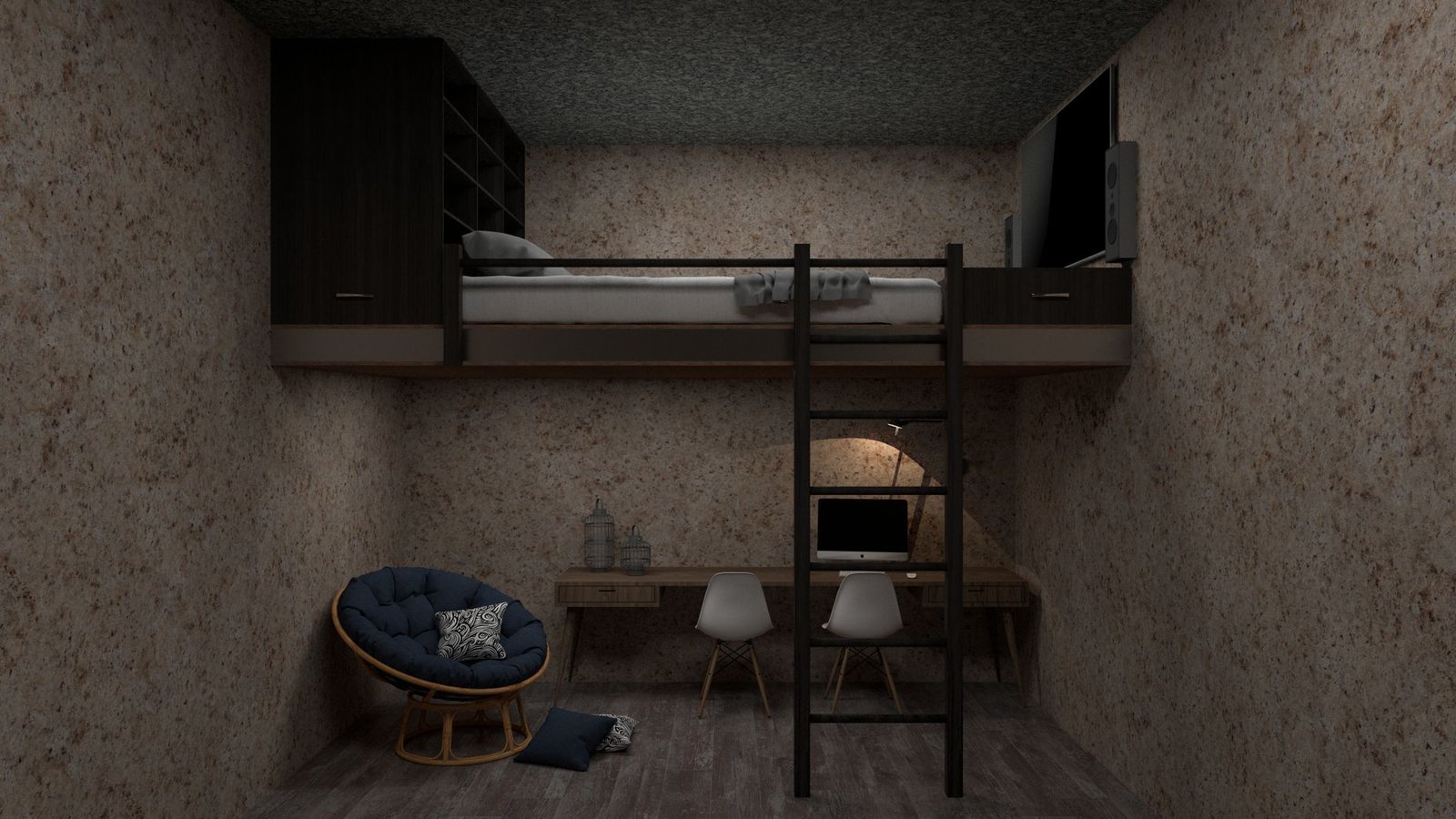
A small apartment can often feel restrictive, limiting both daily comfort and aesthetic ambition. However, the perception of space is highly malleable, and with strategic application of optical illusion decor tricks, even the most compact living areas can be transformed into expansively perceived havens. This article, tailored for 2026 design principles, offers actionable strategies to visually expand small apartment spaces, focusing on modern techniques and popular trends that leverage visual psychology.
The Psychology of Space: Leveraging Visual Perception
The human eye and brain are constantly interpreting visual cues to construct an understanding of an environment. By intentionally manipulating elements such as light, color, reflection, and line, a designer can create the illusion of greater depth, height, or width. In 2026, this understanding is deeply integrated with smart material science and minimalist aesthetics, allowing for sophisticated spatial expansion without physical renovation. The goal is to make spaces feel light, airy, and unburdened.
7 Optical Illusion Decor Tricks for Expansive Living in 2026
-
Masterful Mirror Placement
Mirrors are a timeless tool for creating the illusion of more space, but their application in 2026 is highly sophisticated. Strategically placing large, frameless mirrors opposite windows maximizes natural light and reflects the outdoors, effectively bringing the exterior into the apartment. A floor-to-ceiling mirror can double the perceived size of a room, while a collection of smaller mirrors, thoughtfully arranged, can create a dynamic focal point that disperses light. Current trends favor integrated smart mirrors that offer ambient backlighting and digital display capabilities, enhancing both utility and spatial depth. Tinted or antique mirror accents can also add texture and visual interest without overwhelming the space.
-
Elevating with Verticality
Drawing the eye upward creates the illusion of higher ceilings and a more grand space. This trick is effectively achieved through several methods. Floor-to-ceiling drapery hung close to the ceiling line, even if it extends beyond the window frame, adds significant vertical impact. Tall, narrow bookcases or shelving units that reach near the ceiling emphasize vertical lines. In 2026, biophilic vertical gardens are increasingly popular, not only adding greenery but also emphasizing vertical growth and natural height. Modular wall systems with integrated lighting further enhance verticality while offering flexible storage solutions.
-
The Power of Light and Transparency
Maximizing both natural and artificial light is paramount. Sheer, lightweight curtains allow sunlight to flood the room, instantly opening it up. Artificial lighting, especially ambient and task lighting, can be layered to eliminate dark corners which tend to make spaces feel smaller. Modern advancements in 2026 include smart glass partitions that can switch from opaque to transparent with the touch of a button, offering privacy when needed and openness when desired. Translucent resin furniture and acrylic pieces also allow light to pass through them, reducing visual bulk and contributing to an airy feel. LED panels can be strategically placed to create backlighting or linear light effects, adding depth and a futuristic touch.
-
Strategic Color Psychology
Color choices profoundly influence perceived space. Light, cool colors like soft grays, whites, pale blues, and greens tend to recede, making walls appear further away. A monochromatic or analogous color scheme throughout an apartment creates a seamless visual flow, preventing jarring breaks that can make spaces feel fragmented. For 2026, popular palettes include ‘Digital Lavender’ and ‘Elemental Grey,’ which offer serene and expansive qualities. When an accent wall is desired, choosing a shade that is only slightly darker or lighter than the main wall color can create subtle depth without visually shrinking the room. Textured paints with depth-enhancing pigments are also a modern consideration.
-
Streamlined Furniture & Minimalist Forms
Clunky, oversized furniture can quickly overwhelm a small space. The principle of ‘less is more’ is key. Opt for furniture with clean lines, minimalist designs, and slender legs that allow light and air to flow beneath. Multifunctional and modular pieces are essential for 2026 small apartment living, such as sofas with hidden storage, nesting tables, or beds with integrated desks. Low-profile furniture also helps to keep sightlines clear, creating an unobstructed view across the room. Trends favor biomorphic shapes and furniture made from recycled material composites, offering both aesthetic appeal and sustainability.
-
Clever Flooring Transitions
Continuous flooring throughout an apartment, without abrupt changes in material or color, creates a sense of unbroken space. When different flooring types are necessary, such as between a kitchen and living area, choosing materials with similar tones can maintain visual harmony. Laying large format tiles or planks diagonally can also trick the eye into perceiving greater width or length. In 2026, materials like microcement and large format recycled glass tiles are gaining traction, offering seamless, durable, and visually expansive surfaces. Smart flooring with integrated heating/cooling systems also contributes to overall comfort and unobtrusive design.
-
Decluttering and Negative Space
Perhaps the most fundamental trick, yet often overlooked, is the power of decluttering. An organized, clutter-free environment instantly feels larger and more peaceful. Every item in a small apartment should serve a purpose or hold significant aesthetic value. Thoughtful storage solutions, such as built-in cabinetry, wall-mounted shelves, and storage ottomans, can keep items out of sight. Crucially, leaving areas of ‘negative space’—empty surfaces or sections of wall—allows the eye to rest and prevents a feeling of being hemmed in. For 2026, digital decluttering integration with smart home systems helps manage digital footprints, complementing the physical minimalist aesthetic. The aim is a curated environment where essential items are showcased, and the rest is elegantly concealed.
Beyond Illusions: Sustainable Practices for 2026
While optical illusions are powerful tools, their effectiveness is amplified when integrated with broader 2026 design principles. Sustainability, smart technology, and wellness are no longer luxuries but essential considerations. Selecting materials with a low environmental impact, investing in energy-efficient lighting, and incorporating smart home devices that control lighting, temperature, and even air quality, all contribute to a more comfortable and seemingly spacious environment. The convergence of these elements allows the resident to enjoy a living space that feels expansive, functional, and aligned with modern ecological values, creating a true sanctuary even within compact dimensions.