
In 2026, selecting the ideal low-maintenance ground cover for shaded areas prioritizes ecological benefit, sustained visual appeal, and minimal upkeep. The most effective choices suppress weeds, enhance soil health, and thrive with little intervention, transforming challenging spots into vibrant landscapes. Among the leading options are varieties of Pachysandra, Vinca minor, and various native ferns, each offering unique advantages tailored to specific site conditions and regional climates.
The 2026 Landscape Outlook: Redefining Shady Spaces
The contemporary approach to landscape design places a significant emphasis on sustainability, resilience, and ease of care. Homeowners and landscape professionals alike are seeking solutions that not only beautify a property but also contribute positively to the local ecosystem. Shaded areas, often considered problematic, are increasingly viewed as opportunities for creating lush, tranquil retreats that require less water and offer unique textural and color variations.
Modern horticultural developments in 2026 include new cultivars specifically bred for enhanced disease resistance, extended seasonal interest, and improved tolerance to varied soil conditions. There is a strong movement towards native plant selections that support local fauna, reduce the need for external inputs, and are inherently adapted to regional climate patterns. Biodegradable weed suppression mats and advanced, slow-release organic fertilizers are also influencing ground cover establishment practices, making initial planting more efficient and effective.
Top Contenders for Shady, Low-Maintenance Ground Cover
Several species consistently prove their worth in demanding shaded environments, offering robust growth and minimal care requirements. These plants not only cover ground efficiently but also contribute to a healthy, balanced landscape.
Evergreen Classics for Year-Round Appeal
- Pachysandra terminalis (Japanese Spurge): A time-tested favorite, Pachysandra offers a dense, uniform carpet of glossy, dark green leaves. It spreads steadily but controllably, effectively suppressing weeds. Its primary care involves occasional edging and watering during prolonged dry spells. Newer cultivars in 2026 boast improved heat tolerance and even variegated foliage options.
- Vinca minor (Periwinkle): Known for its vigorous spread and charming blue-purple flowers in spring, Vinca minor creates a lush, evergreen mat. It tolerates dry shade once established and is highly effective at preventing erosion on slopes. Its robust nature makes it a top choice for challenging areas where other plants struggle.
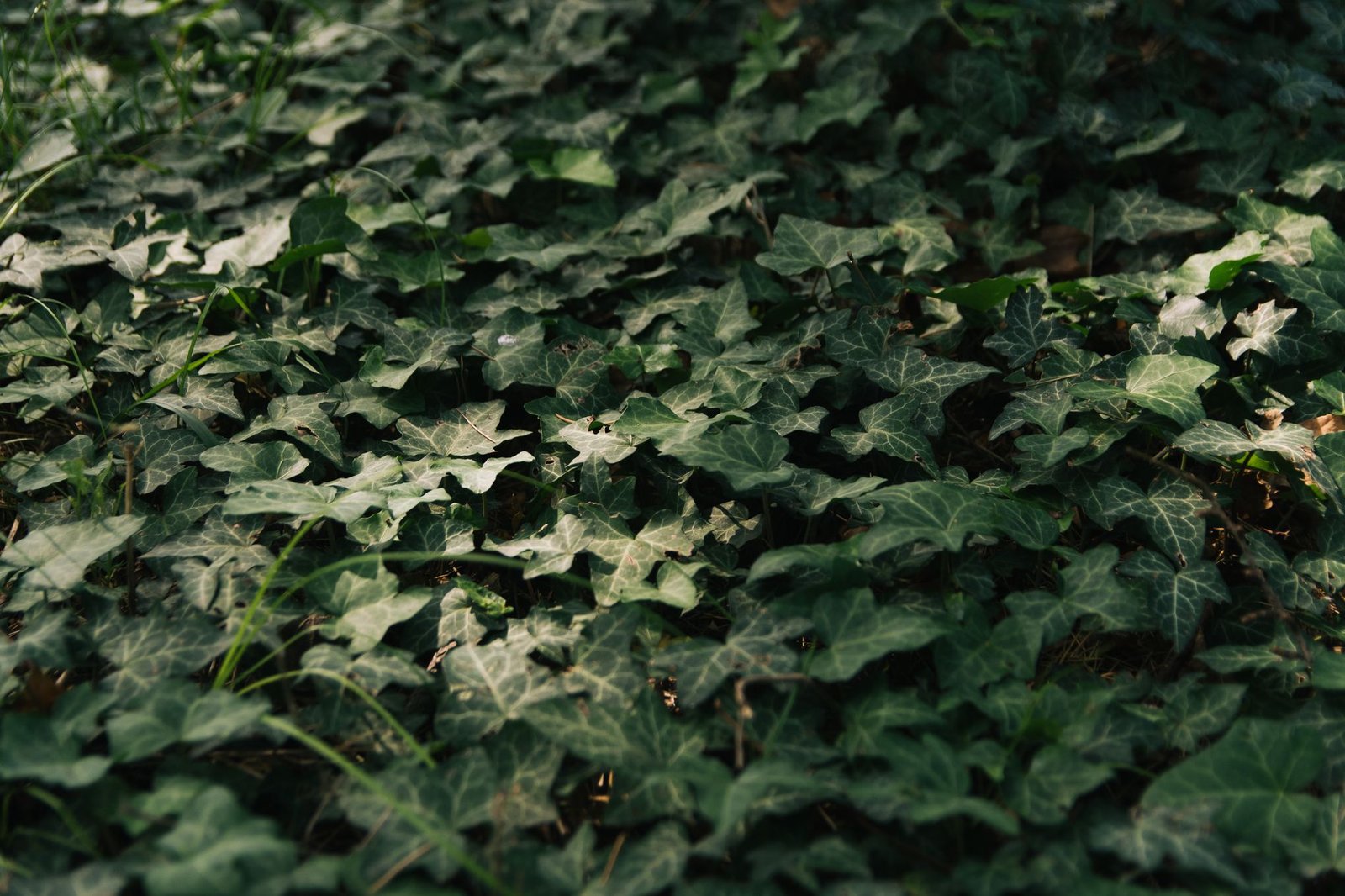
- Hedera helix (English Ivy, careful selection advised): While powerful in coverage, the selection of English Ivy requires careful consideration due to its invasive potential in certain regions. However, specific sterile or less aggressive cultivars, alongside responsible management, can provide excellent evergreen coverage for very deep shade. Its dense habit is unmatched for weed suppression.
- Euonymus fortunei (Wintercreeper, selected cultivars): Similar to ivy, careful selection of non-invasive cultivars is crucial. Varieties like ‘Coloratus’ offer attractive purplish-red winter foliage and excellent ground coverage in partial to full shade, providing year-round interest.
Deciduous Delights for Seasonal Interest
- Epimedium (Barrenwort/Bishop’s Hat): A remarkably tough and beautiful plant, Epimedium offers delicate, heart-shaped leaves that emerge in spring, often with bronze or reddish tints, followed by intricate flowers. Many varieties are semi-evergreen in milder climates. It forms dense clumps, spreads slowly, and requires almost no maintenance once established, tolerating dry shade exceptionally well.
- Pulmonaria (Lungwort): Esteemed for its strikingly speckled foliage and early spring flowers, Pulmonaria forms a tidy clump and provides excellent ground cover in partial to full shade. Modern cultivars offer enhanced mildew resistance and a wider array of foliage patterns, making it a stellar choice for adding visual texture.
Flowering Options for Color
- Lamium maculatum (Spotted Deadnettle): This fast-spreading perennial offers attractive variegated foliage (silver, gold, or white) and charming pink, purple, or white flowers throughout much of the growing season. It thrives in partial to full shade and is relatively drought-tolerant once established, providing a colorful, low-growing carpet.
- Ajuga reptans (Bugleweed): Ajuga is a vigorous spreader with attractive bronze or variegated foliage and spires of blue, purple, or pink flowers in spring. It forms a dense mat that effectively suppresses weeds. New disease-resistant varieties and those with unique foliage colors are popular in 2026, offering diverse options for the resident.
Native Species for Biodiversity
Incorporating native ground covers is a growing trend in 2026, aligning with ecological restoration efforts and reducing the need for intensive care. Native plants are adapted to local conditions, often supporting native pollinators and wildlife. Examples include various ferns like Maidenhair Fern (Adiantum pedatum) or Lady Fern (Athyrium filix-femina), and native sedges like Pennsylvania Sedge (Carex pensylvanica), which provide fine-textured coverage in dry shade.
Benefits Beyond Aesthetics: Ecology and Maintenance
Choosing the right ground cover extends far beyond mere visual appeal, offering substantial environmental and practical advantages for the resident.
- Superior Weed Suppression: A dense, thriving ground cover creates a living barrier that prevents weed seeds from germinating and competing for resources. This significantly reduces the need for manual weeding or chemical herbicides, saving time and fostering a healthier garden environment.
- Enhanced Soil Health and Erosion Control: The extensive root systems of ground covers bind soil particles, preventing erosion, especially on slopes. They also contribute organic matter to the soil as they grow and shed leaves, improving soil structure, fertility, and moisture retention. This natural mulching effect keeps soil temperatures more consistent and supports beneficial microbial activity.
- Reduced Water Usage: Once established, many low-maintenance ground covers for shade require less irrigation than turfgrass or other more demanding plantings. Their canopy also helps reduce evaporation from the soil surface. Advanced soil moisture sensors, prevalent in 2026 smart irrigation systems, can optimize watering for these specific needs, further reducing water waste.
- Biodiversity Support: Native ground covers provide crucial habitat and food sources for local insects, birds, and small animals, contributing to a robust and diverse ecosystem within the property. This aligns with modern eco-conscious landscaping principles.
Modern Trends and Smart Choices for 2026
The year 2026 emphasizes informed plant selection and integrating technology for optimal landscape management.
- Climate-Resilient Cultivars: Breeders are focusing on developing ground covers that can withstand more extreme weather patterns, including periods of drought or unusual temperature fluctuations, making them suitable for a wider range of climates.
- Smart Irrigation Integration: For initial establishment and long-term care, smart irrigation systems equipped with hyper-local weather data and soil moisture sensors are becoming standard. These systems precisely deliver water when and where it’s needed, preventing overwatering and conserving resources for ground cover areas.
- Focus on Non-Invasive Options: There’s a heightened awareness regarding the ecological impact of certain fast-spreading species. The industry trend strongly favors native plants or sterile/less aggressive cultivars to ensure ecological balance and prevent unintended ecological disruption.
- Organic Soil Amendments and Biostimulants: The use of advanced organic composts, mycorrhizal fungi inoculants, and other biostimulants is gaining traction. These improve soil vitality, enhance nutrient uptake, and bolster plant resilience, providing a stronger foundation for ground cover success without synthetic chemicals.
Selecting and Establishing Ground Cover for Shady Spots
Successful implementation of ground cover requires careful planning and proper technique.
- Assess Light Conditions: Observe the area throughout the day to determine the exact amount of shade (part shade, full shade, deep shade). This will narrow down suitable plant choices.
- Soil Preparation: Conduct a soil test to understand pH and nutrient levels. Amend the soil with plenty of organic matter, such as compost, to improve drainage and fertility. This is a critical step for long-term plant health.
- Plant Selection: Choose species known to thrive in the observed light and soil conditions, considering regional climate and specific maintenance tolerance. Prioritize non-invasive and native options where possible.
- Planting Density: Space plants appropriately for their mature size. Planting too far apart leaves gaps for weeds; too close leads to unnecessary competition and cost. Refer to plant tags for recommended spacing.
- Initial Care: Water thoroughly after planting. During the establishment phase (typically the first year), consistent watering is crucial. Apply a layer of organic mulch around new plantings to retain moisture and further suppress weeds until the ground cover fills in.
- Long-Term Maintenance: Once established, most low-maintenance ground covers require minimal attention. This may include occasional supplemental watering during prolonged dry periods, light fertilization with organic matter, and periodic edging to maintain boundaries.
By thoughtfully choosing the appropriate species and implementing sound establishment practices, homeowners can create thriving, low-maintenance ground cover landscapes in even the most challenging shaded areas, contributing to both property beauty and ecological health in 2026 and beyond.