
The Evolving Landscape of Smart Home Savings in 2026
In 2026, smart home technology has transcended mere convenience, evolving into a critical tool for significant utility bill reductions. Homeowners are increasingly seeking solutions that offer tangible financial returns, driven by rising energy costs and a growing emphasis on sustainable living. The integration of advanced artificial intelligence (AI), predictive analytics, and innovative material science has made smart home systems more efficient and impactful than ever before. This article details five smart home gadgets that are demonstrably saving residents money on electricity, water, and heating/cooling bills, illustrating how each device contributes to a more economically sound domestic environment in the current year.
Industry trends in 2026 highlight a shift towards interconnected ecosystems where devices communicate seamlessly to optimize resource consumption. Modern material developments, such as self-regulating thermal insulation, low-emissivity glass coatings, and highly efficient solid-state lighting, complement these smart systems, creating homes that are inherently more energy-conscious. The focus is no longer just on automating tasks but on intelligent management that preempts waste and maximizes efficiency.
Top 5 Smart Home Gadgets for Tangible Utility Bill Reductions
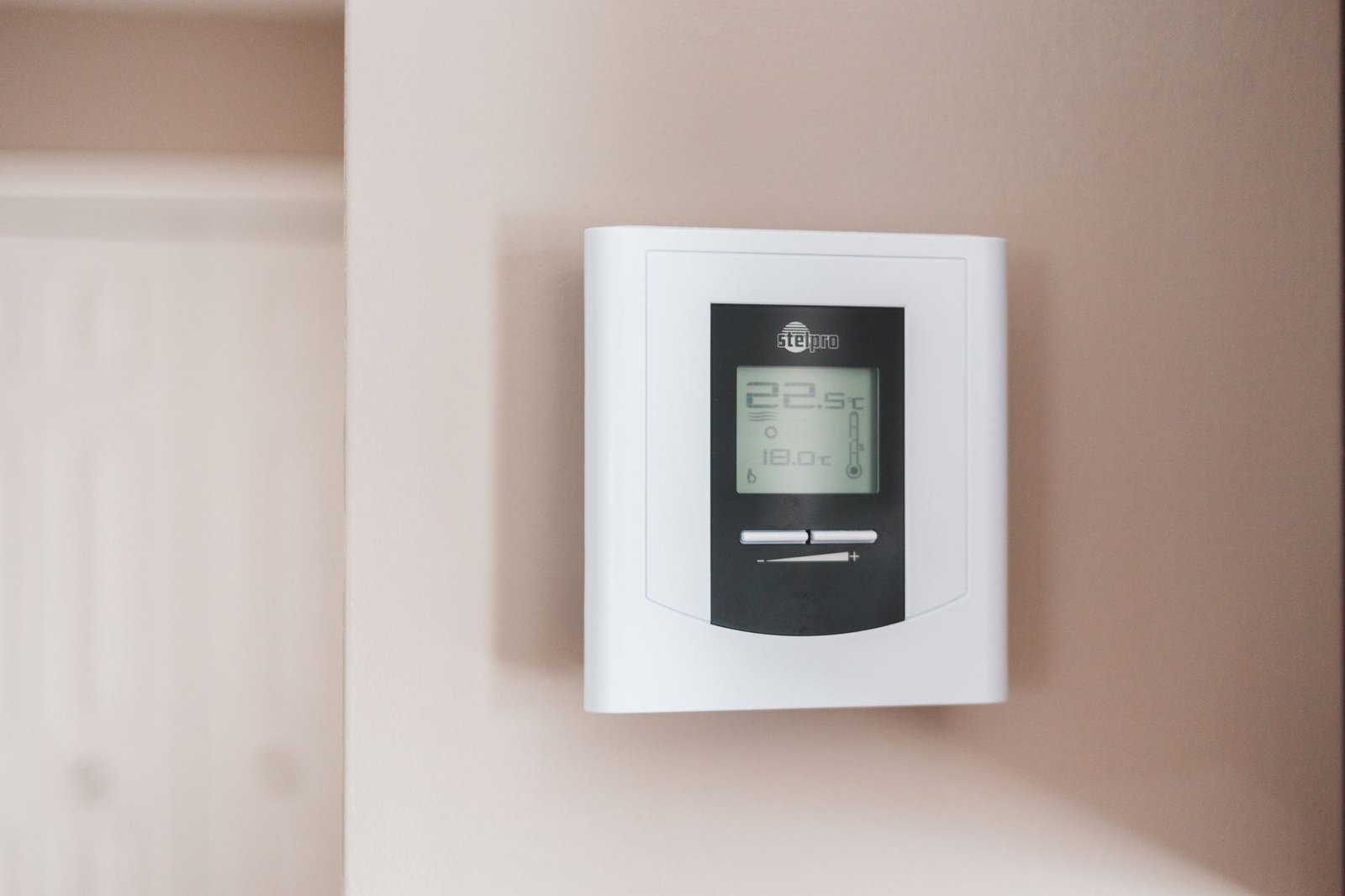
1. AI-Powered Smart Thermostats
Smart thermostats remain at the forefront of utility savings, with 2026 models offering unprecedented levels of intelligence and adaptability. These devices go beyond basic scheduling, utilizing AI and machine learning algorithms to learn the resident’s preferences, local weather patterns, and even the thermal characteristics of the home itself. They can preemptively adjust temperatures based on occupancy sensors, predicted outdoor conditions, and peak electricity pricing, ensuring optimal comfort while minimizing energy expenditure.
- How it saves: By precisely managing heating and cooling cycles, these thermostats prevent wasteful energy use. For instance, they can integrate with smart window sensors to detect an open window and automatically pause heating/cooling, or utilize geofencing to adjust temperatures when the home is unoccupied. The predictive capabilities significantly reduce the runtime of HVAC systems, leading to substantial savings on heating and cooling costs, often the largest component of a utility bill.
- 2026 Trend: Integration with demand-response programs from utility providers allows the thermostat to slightly adjust temperatures during grid stress events, earning the homeowner credits or rebates.
2. Advanced Smart Lighting Systems with Adaptive Controls
Modern smart lighting systems offer far more than remote control. In 2026, these systems feature ultra-efficient LED technology, sophisticated occupancy and daylight sensors, and adaptive controls that dynamically adjust illumination levels. Materials science has contributed significantly here, with highly durable, long-lasting LED components that consume minimal power and responsive photochromic diffusers that optimize light distribution.
- How it saves: Lights are automatically dimmed or turned off when a room is vacant or when sufficient natural light is available, eliminating unnecessary electricity consumption. The fine-tuned control over brightness and color temperature also allows for more efficient use of light, reducing the need for high wattage. For residences still using older lighting, the transition to a smart LED system can immediately reduce lighting-related electricity costs by 70% or more, with additional savings from intelligent management.
- 2026 Trend: Li-Fi integration (light fidelity) for data transmission, combined with advanced circadian rhythm programming, further enhances energy efficiency while improving occupant well-being.
3. Smart Water Leak Detectors and Flow Monitors
Water conservation is a growing priority, and smart water management systems are instrumental in achieving it. 2026 innovations include non-invasive flow monitors and highly sensitive leak detectors that can pinpoint even minute drips or excessive water usage in real-time. These devices can be installed on the main water line or at individual fixtures.
- How it saves: These systems provide immediate alerts for leaks, preventing catastrophic water damage and the associated repair costs and wasted water. More importantly, real-time flow monitoring helps residents identify high-consumption patterns, such as an overly long shower or an unnoticed running toilet, enabling behavioral changes. In cases of significant leaks, some systems can automatically shut off the main water supply, preventing hundreds or thousands of gallons of water from being wasted, thereby drastically reducing water bills.
- 2026 Trend: AI-driven anomaly detection learns normal water usage patterns and can identify unusual spikes that might indicate a problem before it becomes critical.
4. Automated Smart Blinds and Shades with Thermal Properties
Controlling solar gain and heat loss through windows is crucial for energy efficiency. Automated smart blinds and shades in 2026 are not just about convenience; they are engineered with advanced thermal materials and integrated with environmental sensors. These materials include multi-layered fabrics with reflective coatings for summer and insulating properties for winter, or electrochromic films that dynamically tint windows.
- How it saves: These systems automatically adjust throughout the day to block intense summer sun, reducing the load on air conditioning, and insulate windows during colder months to retain heat, thereby lowering heating expenses. Integration with the smart thermostat allows for coordinated climate control. By precisely managing solar radiation and thermal exchange, these blinds can significantly reduce both heating and cooling costs, maintaining a more stable indoor temperature with less energy.
- 2026 Trend: Integration with predictive weather models allows the blinds to anticipate changing conditions, such as an impending heatwave, and pre-emptively adjust for optimal thermal management.
5. Smart Energy Monitors and Plugs with Granular Data
Understanding where energy is consumed is the first step toward reducing it. Smart energy monitors and plugs in 2026 provide granular, real-time data on electricity consumption, allowing the homeowner to identify energy-hungry appliances and phantom loads. These devices often integrate with AI platforms to offer personalized recommendations for efficiency improvements.
- How it saves: Main panel monitors provide a comprehensive overview of household electricity use, while smart plugs allow for device-specific tracking and control. The resident can identify ‘vampire’ devices that draw power even when turned off and use smart plugs to cut power completely. By making consumption visible and controllable at a detailed level, these tools empower residents to make informed decisions, eliminate wasteful habits, and significantly reduce electricity bills by directly addressing hidden energy drains and inefficient appliance use.
- 2026 Trend: Predictive analytics suggest optimal times for running high-drain appliances based on utility rate structures, further maximizing savings.
Maximizing Savings: Integration and Future Outlook
The true power of these smart home gadgets lies in their ability to integrate and communicate. A smart thermostat, smart blinds, and smart lighting system, when working in concert, can create a cohesive climate and energy management strategy that far surpasses the savings achieved by individual devices. This interconnectedness is a defining feature of the 2026 smart home ecosystem, driving comfort alongside unprecedented efficiency.
Looking beyond 2026, the trajectory indicates even greater autonomy and predictive capabilities for smart homes. The continued advancement of AI, combined with more sophisticated sensor technology and adaptive building materials, will lead to homes that not only react to but anticipate the needs of their occupants and the environment, consistently optimizing for comfort, security, and maximal utility savings. For the homeowner, investing in these smart solutions today is a direct path to a more sustainable and economically efficient future.