
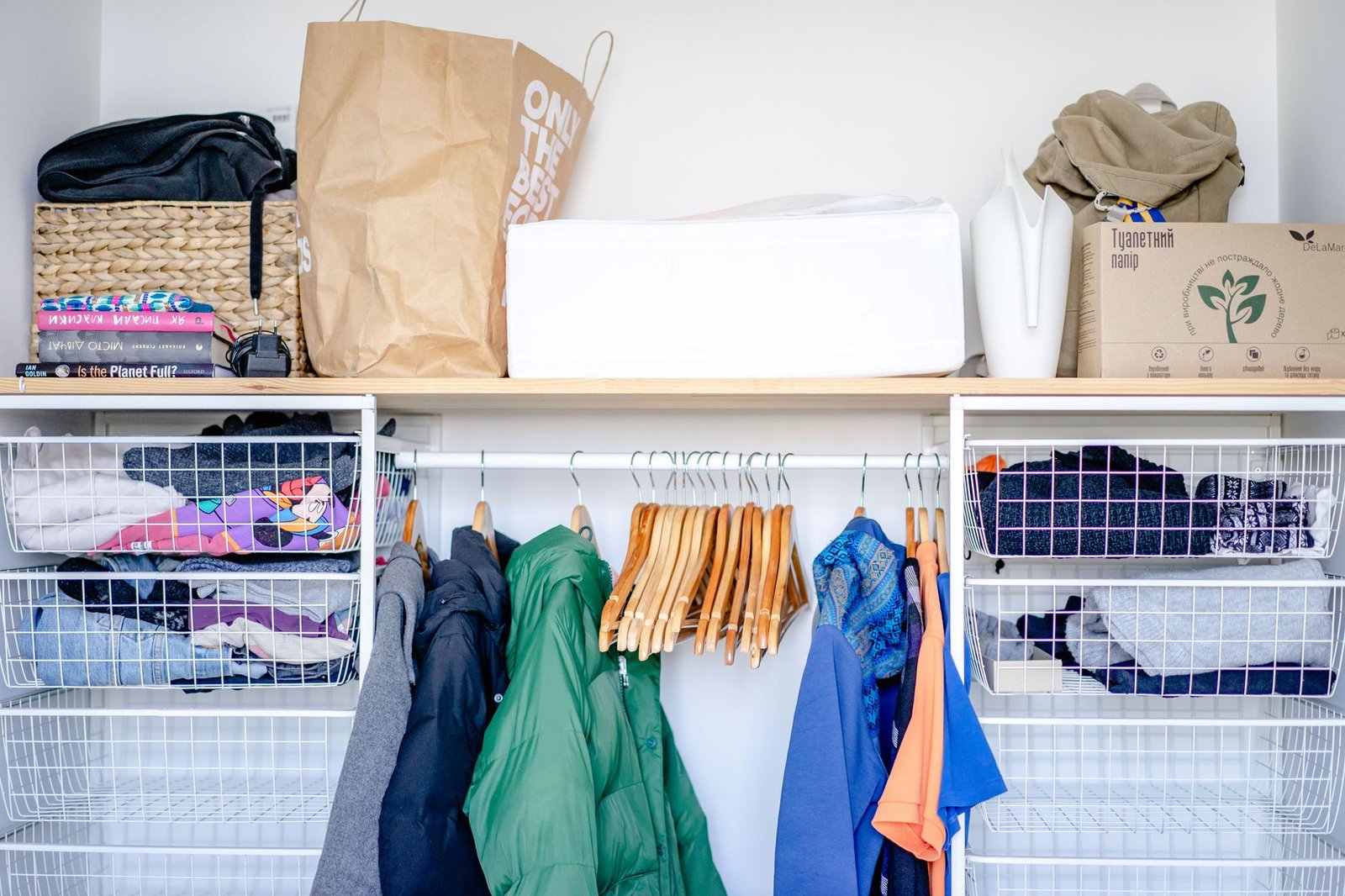
A closet bursting at the seams is a common challenge for many residents, often leading to wasted time, decision fatigue, and a diminished sense of domestic comfort. In 2026, creating a functional and organized wardrobe space is not just about tidiness; it is an essential component of mindful living and sustainable consumption. This article explores seven practical and effective wardrobe decluttering strategies, designed to help homeowners achieve a streamlined closet that truly serves their needs, incorporating modern trends and material developments.
The 2026 Wardrobe Dilemma: Beyond Just Clothes
The contemporary wardrobe extends beyond simple apparel, encompassing smart textiles, specialized athletic wear, and diverse accessories that demand efficient storage solutions. The rise of fast fashion over the past decades has contributed to an accumulation of items, often leading to underutilized garments and environmental concerns. As conscious consumerism gains momentum in 2026, the emphasis shifts from sheer volume to intentionality, durability, and versatility. Homeowners are increasingly seeking methods to curate a wardrobe that reflects personal style while minimizing environmental impact and maximizing daily utility. Effective decluttering is the first step toward achieving this balance, transforming a chaotic space into a sanctuary of order and accessibility.
Seven Effective Strategies for a Streamlined Closet
1. The “Keep, Donate, Sell, Repair, Discard” Method with a 2026 Twist
This foundational strategy involves systematically sorting each item into one of five categories. For 2026, the “Donate” category can leverage numerous digital platforms for local charitable contributions, while “Sell” can utilize consignment apps or luxury resale sites for higher-value items. The “Repair” option is more pertinent than ever, with a growing number of textile repair services and community workshops focusing on garment longevity. “Discard” should prioritize specialized textile recycling facilities, especially for synthetic or blended fabrics that are not biodegradable. Items in the “Keep” pile should truly serve the resident’s current lifestyle and preferences.
2. The Hanger Test for Active Wear
To identify frequently worn garments, the resident can turn all hangers in one direction. After wearing an item, it is returned to the closet with the hanger facing the opposite direction. Over a period of three to six months, this visual cue clearly indicates which items are in regular rotation and which remain untouched. For 2026, this method is particularly useful for assessing multi-functional and performance wear, ensuring that active garments truly align with current exercise routines and leisure activities, rather than being aspirational clutter.
3. The “One Year Rule” Refined for Seasonless Style
Traditionally, items unworn for a year are strong candidates for removal. In 2026, with the prevalence of seasonless fashion and trans-seasonal layering, this rule requires slight adaptation. Instead of strict seasonal boundaries, the focus shifts to whether an item still aligns with the homeowner’s current style, comfort needs, and the demands of smart-casual or hybrid work environments. Considerations should extend to items that are highly versatile or offer unique functionality, even if worn infrequently, ensuring that essential pieces are not prematurely discarded.
4. Digital Inventory & Capsule Wardrobe Integration
Leveraging technology for wardrobe management is a hallmark of 2026 organization. Apps allowing residents to photograph and categorize their clothing create a digital inventory. This facilitates the creation of a capsule wardrobe, a curated collection of interchangeable garments designed to maximize outfits with minimal pieces. Some advanced systems in 2026 even offer AI-powered outfit suggestions and inventory tracking, streamlining decision-making and preventing redundant purchases. This approach is highly sustainable, promoting conscious consumption and reducing textile waste.
5. Prioritizing “Feel Good” Items
Beyond practicality, the emotional connection to clothing plays a significant role in its utility. This strategy encourages the resident to focus on items that evoke positive feelings, comfort, and confidence. Apparel that fits well, feels luxurious against the skin, or holds sentimental value often contributes more to daily well-being than ill-fitting or uncomfortable garments. In 2026, with an increased focus on mental wellness and personal expression, ensuring a wardrobe is filled with items that genuinely uplift the wearer is a powerful decluttering metric.
6. Optimize Vertical and Neglected Spaces
Modern closet design in 2026 heavily emphasizes maximizing every available inch. Utilizing vertical space with tiered hanging systems, modular shelving units, and pull-out drawers can double storage capacity. Under-bed storage containers made from sustainable, breathable materials like bamboo charcoal fabric or recycled PET plastics are ideal for off-season items. Corner organizers, slimline hangers, and door-back storage solutions turn previously neglected areas into functional storage zones, creating a visually cohesive and accessible wardrobe.
7. The Seasonal Rotation with Sustainable Storage
Implementing a seasonal rotation system prevents overcrowding and keeps current-season items easily accessible. Off-season clothing should be cleaned, repaired if necessary, and stored in appropriate, eco-friendly containers. For 2026, advancements in sustainable storage include sealed, breathable garment bags made from natural fibers, cedar blocks for natural moth prevention, and humidity-controlled storage options. This protects garments from dust, pests, and environmental damage, extending their lifespan and reducing the need for replacements.
Sustainable Practices and Future-Proofing the Wardrobe
As residents move through 2026, the focus on sustainable fashion practices is paramount. Embracing the circular economy means actively participating in clothing swaps, utilizing rental services for special occasions, and seeking out brands with robust take-back programs for end-of-life garments. Upcycling and textile recycling initiatives are becoming more sophisticated, allowing for the transformation of discarded fabrics into new products or fibers. Modern material innovations also play a crucial role; developments in self-cleaning fabrics, durable performance textiles, biodegradable synthetic fibers, and regenerated cellulosic materials (like Tencel and Modal) offer longer-lasting, lower-impact clothing options. Furthermore, smart closet systems featuring integrated garment care, precise humidity control, and natural pest repellents can extend the life of a wardrobe. By adopting these strategies and embracing a mindful approach to consumption, the homeowner can create a future-proof wardrobe that is both highly functional and environmentally responsible.