
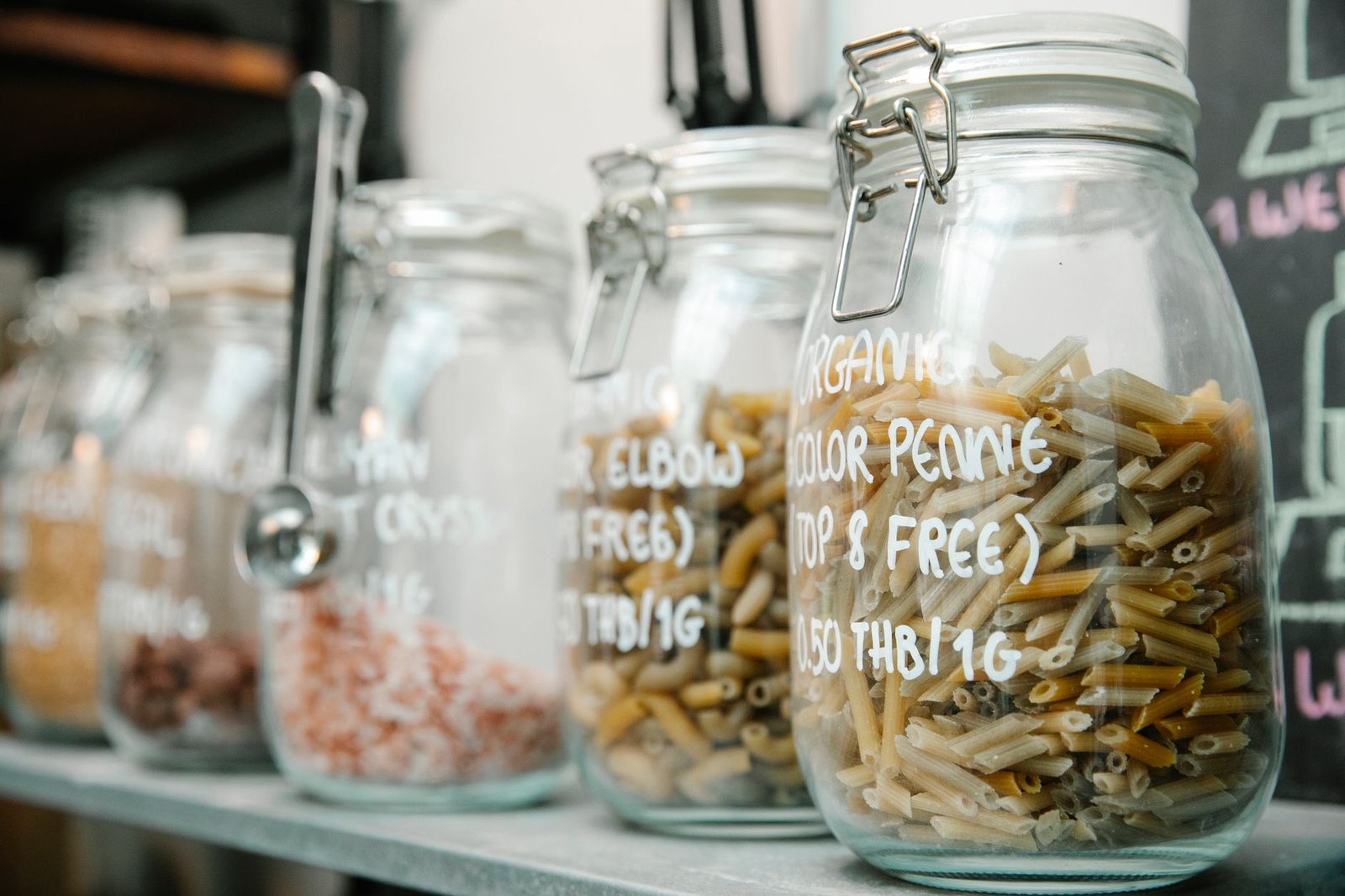
In 2026, the question of whether a label maker or handwritten labels creates a more organized pantry remains a key consideration for homeowners prioritizing domestic efficiency and aesthetic appeal. While both methods offer distinct advantages, the optimal choice for pantry organization largely depends on the resident’s specific aesthetic preferences, the expected durability requirements, and the practicalities of maintaining order over time. Modern advancements in labeling technology and material science have further refined the discussion, making the decision more nuanced than ever before.
The Evolving Landscape of Label Makers in 2026
Label makers have undergone significant technological advancements by 2026, transforming from basic handheld devices into sophisticated tools that offer unparalleled uniformity and precision. Contemporary label makers often feature Bluetooth connectivity, allowing for seamless design customization via smartphone applications. This enables users to select from a vast array of fonts, symbols, and even integrate QR codes for digital inventory tracking. The ease with which consistent, professional-looking labels can be generated is a primary draw for many.
Technological Enhancements and Material Science
- Smart Integration: Many 2026 models integrate with smart home ecosystems, potentially linking to digital pantry inventory apps for automated label generation when supplies are low or new items are introduced.
- Advanced Adhesives: Label tapes now utilize advanced adhesive technologies that are often waterproof, oil-resistant, and repositionable without residue, catering to the dynamic environment of a pantry. Materials include durable vinyl, laminated options, and even some biodegradable plastics, aligning with contemporary sustainability trends.
- Customization and Clarity: The ability to print in various sizes, colors, and with crisp, legible text ensures a uniform and highly readable labeling system. This eliminates the variability inherent in handwriting, which can sometimes be less clear or consistent.
Handwritten Labels: The Enduring Appeal of Personalization
Despite the technological leaps in label makers, handwritten labels maintain a strong foothold, particularly for homeowners who value a bespoke and artistic touch in their domestic spaces. In 2026, the appeal of handwritten labels often aligns with trends emphasizing authentic craftsmanship, sustainability, and a departure from overly sanitized, sterile aesthetics.
Artistry, Flexibility, and Sustainable Choices
- Personalized Aesthetics: Handwritten labels offer an unmatched level of personalization. The resident can choose specific lettering styles, colors, and even illustrations that perfectly match the unique aesthetic of their pantry – from rustic farmhouse to eclectic bohemian. This personal touch can make a pantry feel more inviting and reflective of the home’s overall design ethos.
- Instant Adaptability: For items that rotate frequently or for temporary storage, handwritten labels offer immediate flexibility. A simple pen and a piece of tape or cardstock allow for quick updates without the need for a specific device or app.
- Eco-Conscious Materials: Many users opt for recycled paper, cardstock, or even repurposed materials for handwritten labels, which can be a more sustainable choice compared to some synthetic label maker tapes. The availability of high-quality, non-toxic, and fade-resistant inks has also improved, extending the life of these labels.
Aesthetics: Uniformity Versus Character
The aesthetic impact is a significant differentiator. Label makers deliver a sleek, uniform appearance that contributes to a minimalist and highly organized visual. This consistent typography and alignment can create a sense of calm and order, which is highly desirable in modern pantry design. Conversely, handwritten labels introduce character and warmth. They allow for an organic, handmade look that can complement various interior styles, adding a personal signature to the space. For those adhering to a cottagecore or artisanal design philosophy, the slight imperfections and individuality of handwritten text are often preferred.
Durability: Longevity in the Pantry Environment
When considering durability for 2026, label makers often have an edge. Laminated label tapes are designed to withstand moisture, grease, and general wear and tear, making them ideal for high-traffic areas prone to spills. The advanced adhesives ensure labels remain firmly attached for extended periods, resisting peeling or fading. Handwritten labels, while benefiting from improved inks, generally require more careful material selection to achieve comparable longevity. Using waterproof paper or applying a protective sealant can enhance their durability, but this adds an extra step. Without such measures, handwritten labels on standard paper are more susceptible to damage from moisture and handling.
Practicality for Maintenance and Adaptability in 2026
Maintaining an organized pantry requires a system that is easy to update and adapt. Label makers excel in creating a consistent visual system that is straightforward to replicate. When an item is replaced or a container is changed, generating an identical new label is effortless. This consistency aids long-term organization, as new additions seamlessly integrate into the existing scheme. However, the initial setup can be more time-consuming if many custom designs are created.
Handwritten labels offer unparalleled immediacy. If a new item needs labeling or an existing label requires modification, it can be done instantly with a pen. This flexibility is invaluable for dynamic pantries where contents frequently change or new storage solutions are tested. The main practical challenge lies in maintaining visual consistency over time if multiple individuals are writing labels, or if the resident’s handwriting style changes. The effort required for protective measures (like sealing) also adds to the maintenance.
Conclusion: Optimizing Pantry Organization for the Modern Homeowner
In 2026, the choice between label makers and handwritten labels for pantry organization boils down to balancing individual priorities. For the homeowner seeking an immaculate, visually consistent, and highly durable system that leverages modern tech, a label maker is the superior choice. Its ability to produce uniform, resilient labels with advanced features like smart integration and durable materials aligns perfectly with contemporary efficiency and sleek aesthetics. Conversely, for residents who prioritize personalization, artistic expression, immediate flexibility, and potentially more sustainable material choices, handwritten labels offer a charming and adaptable solution. The most organized pantry in 2026 will likely be one where the chosen labeling method not only reflects the resident’s personal style but also integrates seamlessly with their lifestyle and maintenance habits, ensuring long-term order and domestic comfort.