
The contemporary homeowner navigating interior design choices for a high-traffic living room in 2026 faces a classic dilemma: wool versus jute rugs. While both materials offer distinct advantages, the optimal choice for busy communal spaces hinges on priorities such as durability, maintenance, comfort, and evolving aesthetic preferences. For high-traffic living rooms in 2026, wool generally presents a more resilient and versatile long-term solution due to its inherent elasticity, advanced soil-resistant properties, and superior longevity. However, jute remains a compelling, eco-conscious option for specific design visions, particularly for residents prioritizing an organic aesthetic and natural texture.
Durability and Longevity in 2026
Wool: The Enduring Classic with Modern Enhancements
Wool rugs have long been celebrated for their exceptional durability, a characteristic that remains highly relevant in 2026. The natural crimp of wool fibers provides built-in resilience, allowing them to spring back from compression caused by consistent foot traffic and heavy furniture. This inherent elasticity prevents matting and crushing, preserving the rug’s plush appearance over years of use in bustling living rooms. In 2026, modern wool treatments include advanced fiber coating technologies that provide superior stain and soil resistance without compromising the material’s softness or natural breathable qualities. These innovations mean a wool rug can withstand the rigors of a busy household with greater ease than ever before. Furthermore, wool’s natural lanolin offers a degree of protection against moisture, contributing significantly to its extended lifespan. A well-maintained wool rug can last for decades, often becoming a treasured heirloom, representing a sound, long-term investment for the resident.
Jute: Robust Natural Appeal with Improved Construction
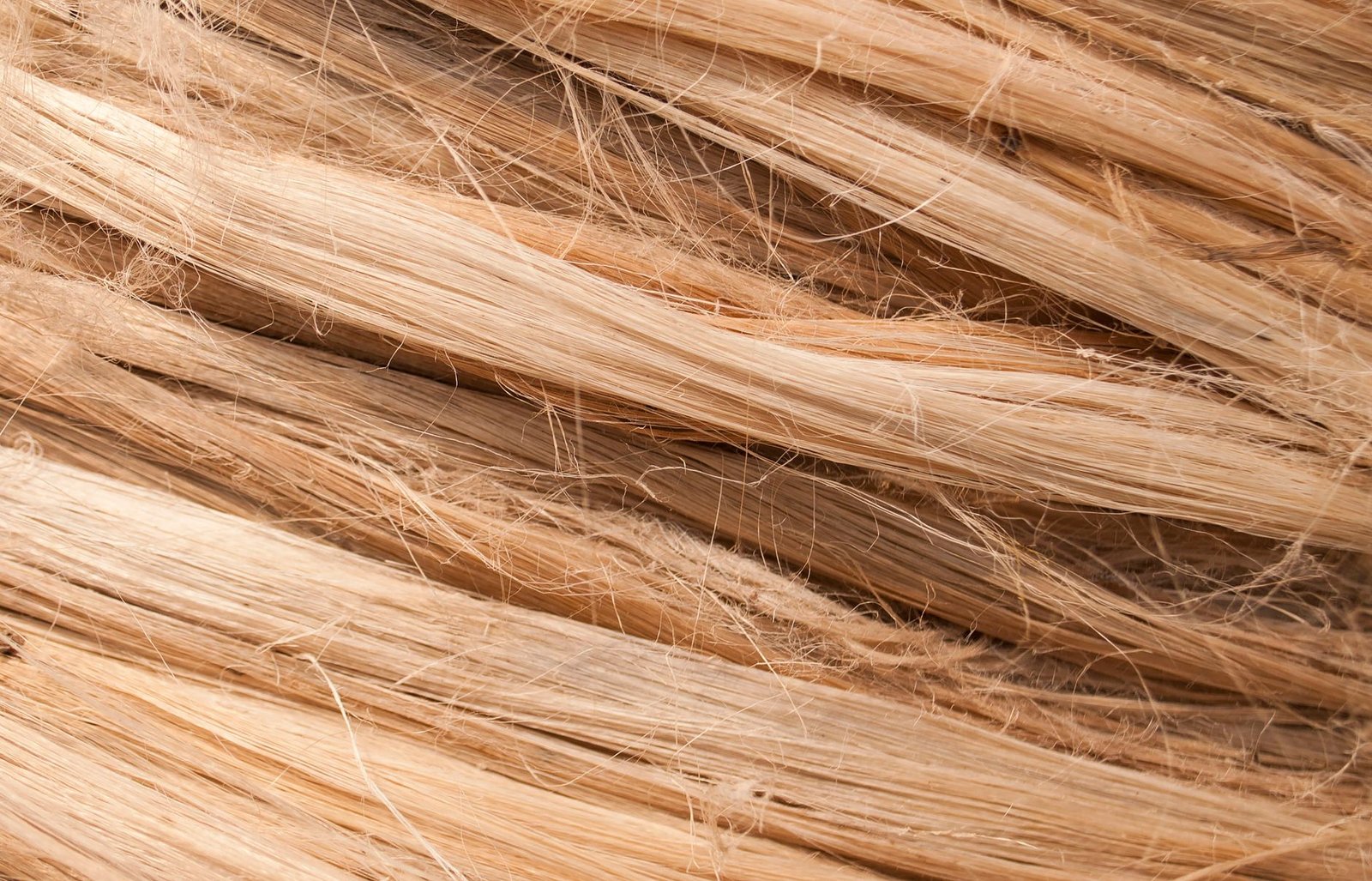
Jute, a natural vegetable fiber, is known for its remarkable strength and coarse texture. In a high-traffic living room, jute rugs offer a grounded, organic aesthetic that resonates with 2026’s emphasis on natural materials. While incredibly strong, traditional jute fibers possess less inherent elasticity than wool. This means that over time, and with significant compression from heavy use, jute can show signs of wear, such as flattening or developing distinct pathways in heavily trafficked areas. However, for residents seeking a rugged, natural look, jute’s ability to withstand considerable wear and tear in its own distinct way is a significant advantage. Innovations in jute weaving techniques for 2026 include tighter, more intricate weaves and reinforced backings (often utilizing natural latex or recycled materials) that significantly improve its resistance to fraying and maintain its structural integrity. Additionally, hybrid jute-cotton or jute-sisal blends are becoming more prevalent, offering enhanced durability and a slightly softer feel, making jute a more competitive option for active spaces than in previous years.
Maintenance and Care Considerations
Caring for Wool Rugs with Advanced Protection
Maintaining a wool rug in a high-traffic living room is surprisingly manageable, especially with 2026’s material advancements. Wool’s natural oils repel dirt and dust, preventing them from penetrating deep into the fibers. Regular vacuuming with a standard brush attachment is essential to remove surface debris and maintain the rug’s appearance. For spills, wool’s inherent resistance, further bolstered by hydrophobic treatments common in modern rugs, allows for quick clean-up; prompt blotting with a clean cloth is typically effective. For deeper cleaning, professional rug cleaning every 12-18 months is recommended to preserve its integrity and extend its lifespan. The advanced stain treatments now common in 2026 wool rugs further simplify spot cleaning, making them a practical choice for homes with children and pets, easing the homeowner’s maintenance burden.
Maintaining Jute Rugs: A Gentle Approach
Jute rugs require a slightly different approach to maintenance. Their fibrous, often open weave can trap dirt more readily than wool. Regular, gentle vacuuming using a suction-only setting (without a beater bar, or with a beater bar set to a very high pile) is crucial to prevent damage to the fibers and pull out trapped debris. Jute is highly susceptible to water damage; moisture can cause discoloration, mildew, or shrinkage. Therefore, it is critical to address spills immediately by blotting, not rubbing, and to avoid liquid-based cleaning solutions. For deeper cleaning, dry-cleaning methods or professional services specializing in natural fibers are strongly recommended. The lower pile height and coarser texture of many jute rugs can also be a benefit for homes integrating advanced robotic vacuum systems, as these devices tend to navigate such surfaces with efficiency and ease, a key convenience factor for the 2026 smart home ecosystem.
Comfort and Underfoot Feel
The Luxurious Comfort of Wool
Wool rugs are renowned for their luxurious softness and warmth underfoot. The natural insulation properties of wool contribute to a cozy and inviting atmosphere, making a living room feel more comfortable and energy-efficient, aligning with 2026’s focus on sustainable comfort. Its inherent cushioning provides a pleasant walking surface, absorbing impact and significantly reducing ambient noise, which is particularly beneficial in busy, open-plan households. For residents prioritizing tactile comfort, acoustic dampening, and a serene environment, wool offers an unparalleled experience, enriching the domestic comfort of the space and supporting overall well-being.
The Tactile Experience of Jute
In contrast, jute rugs offer a firmer, more textured feel underfoot. While not as soft as wool, their natural, earthy texture can be grounding and pleasant for those who appreciate a more rustic, organic, or sensory aesthetic. The coarser fibers provide a gentle, almost massage-like sensation, which some individuals find appealing. Jute also offers a moderate degree of insulation and sound absorption. However, for families with very young children who spend extensive time on the floor, or residents desiring maximum softness, jute’s texture might be less preferred than wool. Developments in jute processing for 2026 are exploring softer blends, finer weaves, and specialized polishing techniques to enhance comfort without sacrificing the natural appeal and inherent character of the fiber.
Aesthetic Appeal and Environmental Considerations in 2026
Wool: Versatility, Sophistication, and Sustainable Sourcing
Wool rugs offer immense versatility in design and aesthetic. Available in a vast array of colors, intricate patterns, and various pile heights, they can complement virtually any interior style, from classic elegance to ultra-modern minimalism. The fibers hold dye exceptionally well, allowing for vibrant, long-lasting colors that resist fading even in sun-drenched rooms. For homeowners seeking a rug that acts as a central design element, providing sophistication and a broad spectrum of stylistic options, wool is an ideal choice. Furthermore, wool is a natural, renewable fiber, and with the increasing focus on sustainable sourcing and ethical production in 2026, many wool rug manufacturers are emphasizing certifications (e.g., Responsible Wool Standard) that assure environmental stewardship and animal welfare, appealing to the eco-conscious consumer.
Jute: Organic Charm, Biophilic Design, and Eco-Friendliness
Jute rugs embody an organic, understated charm, bringing a natural texture and earthy palette to a living space. Their neutral tones and rustic appearance lend themselves beautifully to bohemian, coastal, minimalist, and biophilic-inspired interiors—a significant trend in 2026. Jute’s primary aesthetic appeal lies in its authenticity, raw beauty, and ability to connect interiors with the natural world. As a rapidly renewable, biodegradable fiber derived from plants, jute is highly regarded for its exceptional environmental credentials, aligning perfectly with the growing demand for sustainable and low-impact home furnishings in 2026. Many jute rugs are produced with minimal environmental impact, making them a top choice for homeowners prioritizing truly sustainable living. The unique, tactile texture of jute can also add an interesting visual layer, creating depth and warmth in a room without overwhelming existing decor, fostering a sense of calm and connection to nature.
Making the Informed Choice for 2026
The decision between a wool and a jute rug for a high-traffic living room in 2026 ultimately depends on balancing several key factors:
- Budget: Jute rugs are generally more affordable than wool, making them an attractive option for residents seeking a cost-effective, stylish solution. Wool represents a larger upfront investment but offers superior longevity and often higher perceived value over time.
- Lifestyle: Homes with frequent spills, active pets, or young children might lean towards wool for its easier stain management, robust resilience, and softer underfoot feel. Those prioritizing a low-impact, natural aesthetic with a preference for a firmer texture and rugged charm may find jute more suitable.
- Design Vision: For luxurious softness, intricate patterns, vibrant colors, and broad stylistic versatility, wool excels. For a grounded, organic, textural statement that embraces biophilic principles, jute is unparalleled.
- Environmental Priorities: Both are natural fibers, but jute’s rapid renewability, biodegradability, and minimal processing often give it a slight edge in pure eco-friendliness. Wool, while renewable, offers exceptional longevity, which in itself is a strong sustainable attribute by reducing replacement frequency.
In conclusion, for a high-traffic living room in 2026, a wool rug stands out for its exceptional durability, luxurious comfort, and versatile aesthetics, making it a robust, long-term investment that withstands the test of time and family activity. Conversely, a jute rug provides a unique, eco-friendly option with a distinct natural charm and respectable durability, particularly for residents who appreciate its firmer texture, organic appeal, and commitment to sustainable living. The optimal selection enhances domestic comfort and complements the homeowner’s individual design philosophy, ensuring the living space remains both beautiful and functionally superior for years to come.