
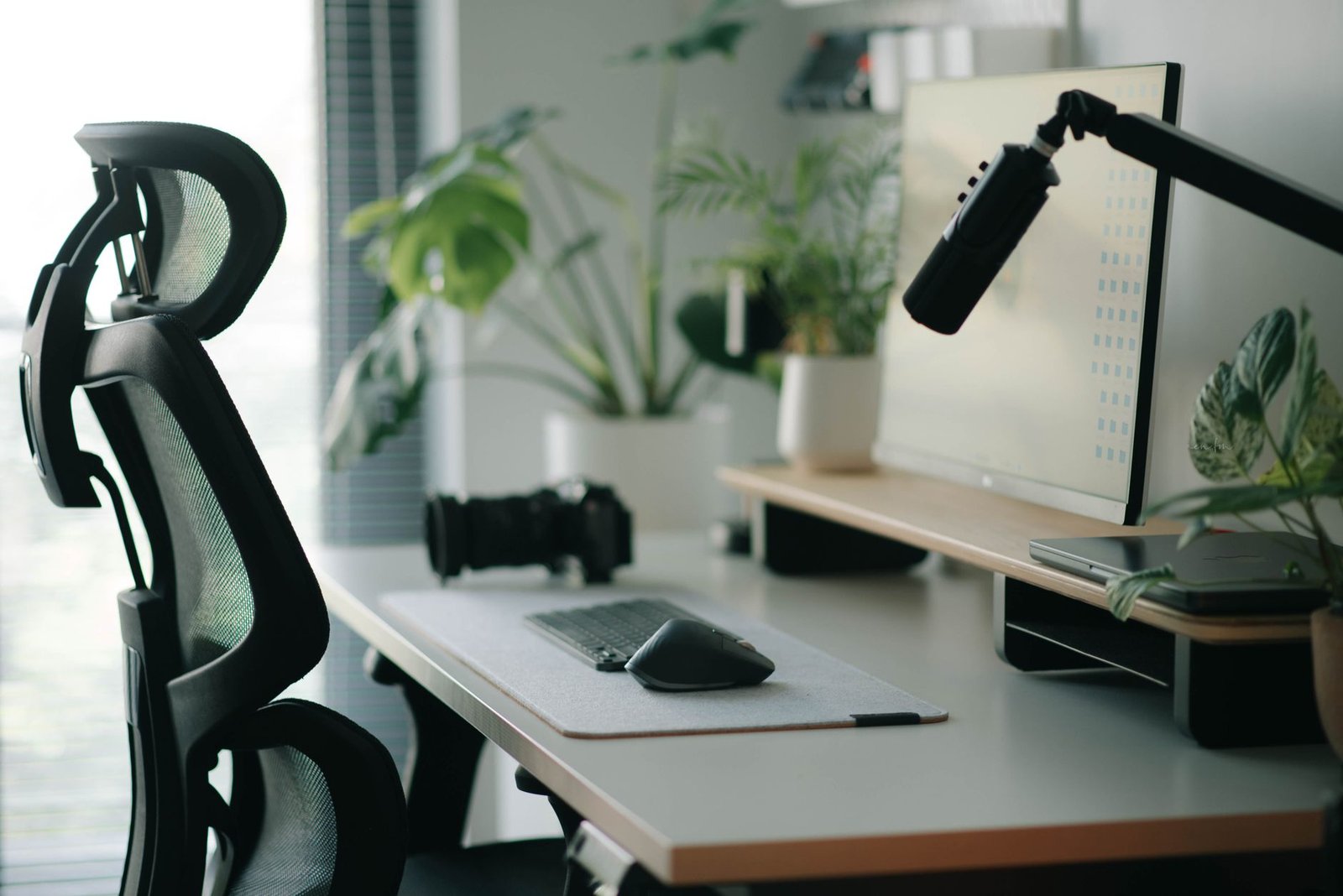
The question of which enhances home office productivity more, a standing desk or an under-desk treadmill, is increasingly relevant in 2026 as remote work solidifies its place. While both aim to mitigate the detriments of prolonged sitting, the optimal choice hinges on individual work style, wellness goals, and specific task demands. This analysis explores the distinct advantages and disadvantages of each, considering current industry trends, material innovations, and their impact on a user’s health, focus, and investment in the modern home environment.
The Evolving Standing Desk Landscape in 2026
Standing desks have long been recognized for their ergonomic benefits, offering a simple yet effective way to interrupt prolonged sitting. In 2026, these workstations have moved beyond mere height adjustability to incorporate advanced features that significantly enhance the user experience and, consequently, productivity.
Benefits of Elevated Work
- Reduced Sedentary Time: A primary benefit is the reduction of static sitting, which medical research continues to link to various health issues. By promoting standing, circulation improves, and muscle engagement increases.
- Enhanced Mental Alertness: Many users report a noticeable boost in focus and energy levels when standing, especially during tasks requiring sustained attention. The slight physical exertion can prevent the afternoon slump.
- Improved Posture: Properly configured standing desks encourage better spinal alignment, alleviating back and neck strain common with traditional seated setups.
- Seamless Transitions: Modern electric standing desks offer smooth, quiet transitions between sitting and standing, often with programmable memory presets for ideal heights.
2026 Innovations and Ergonomics
Contemporary standing desks in 2026 feature integrated AI-powered posture correction systems, utilizing subtle haptic feedback or visual cues to guide the resident into optimal ergonomic positions. Materials now emphasize sustainability and durability; options include reclaimed timber, carbon-neutral composites, and innovative bio-plastics that offer both strength and aesthetic appeal. Smart connectivity allows for scheduled stand reminders and integration with home wellness ecosystems, prompting movement throughout the day based on the user’s calendar and activity levels.
Considerations for the Standing User
Despite the advantages, prolonged standing can lead to its own set of challenges, including foot fatigue, lower back discomfort, or varicose vein issues for some individuals. High-quality anti-fatigue mats are essential to mitigate these effects. While standing does burn more calories than sitting, the caloric expenditure is minimal compared to active movement, potentially limiting its impact on broader fitness goals. The initial investment for a high-quality, smart standing desk can also be considerable, though more accessible options exist.
Under-Desk Treadmills: The Active Workstation of 2026
Under-desk treadmills represent a more active approach to combating sedentary lifestyles, allowing the user to walk while working. This innovative solution has seen significant advancements by 2026, making it a viable and increasingly popular choice for the health-conscious home office occupant.
The Power of Movement While Working
- Significant Calorie Expenditure: Walking, even at a slow pace, burns substantially more calories than standing or sitting, contributing positively to weight management and cardiovascular health.
- Boosted Circulation and Energy: Continuous, low-impact movement dramatically improves blood flow, leading to sustained energy levels and a reduced risk of blood clots.
- Potential for Enhanced Creativity: Some studies suggest that light physical activity can stimulate cognitive function, leading to improved problem-solving and creative thinking.
- Diabetes and Metabolic Health: Regular walking can help regulate blood sugar levels more effectively than intermittent standing.
Technological Leaps and Design in 2026
Under-desk treadmills in 2026 boast ultra-quiet motors and whisper-soft belts, minimizing auditory distraction in the home office. Compact, foldable designs with advanced sensor arrays are common, offering gait analysis, step counting, and even real-time heart rate monitoring, all integrated seamlessly with wellness and productivity applications. New low-friction, self-lubricating track materials reduce maintenance and enhance user comfort. Many models also feature safety cut-off mechanisms and intuitive remote controls that integrate with the desk’s control panel.
Potential Challenges for the Walking Professional
The transition to working while walking can present a learning curve. Tasks requiring fine motor skills or intense concentration (e.g., detailed CAD work, complex coding, video editing) might be challenging initially. Noise, even with advanced dampening, can still be a factor for sensitive users or shared home environments. Space requirements are also greater than for a standing desk alone, as the treadmill adds depth and width. The initial cost for a durable, feature-rich under-desk treadmill often exceeds that of a premium standing desk, representing a more significant financial commitment.
Productivity, Health, and Investment: A 2026 Comparison
When choosing between a standing desk and an under-desk treadmill, the decision ultimately rests on the user’s specific priorities for productivity, health outcomes, and budget in the context of their daily work.
Direct Impact on Productivity
For tasks demanding deep focus and precision, a standing desk often proves more conducive. The stability allows for unwavering concentration. Conversely, for brainstorming, reading, or responding to emails, the gentle rhythm of an under-desk treadmill can enhance creativity and sustain energy without significant distraction. The choice often depends on the nature of the work being performed throughout the day. Some advanced users integrate both, transitioning from walking for lighter tasks to standing for more intensive focus periods.
Holistic Health Benefits
In terms of health, the under-desk treadmill offers a more robust solution for physical activity and calorie expenditure, significantly reducing the risks associated with a sedentary lifestyle. It directly addresses cardiovascular health, blood sugar regulation, and muscle engagement. The standing desk, while valuable for breaking up sitting time and improving posture, provides a less active form of movement. Both options are vastly superior to prolonged sitting.
Cost-Effectiveness and Return on Wellness Investment
The entry point for a quality standing desk typically remains lower than that of an under-desk treadmill. Basic standing desk converters are affordable, while full electric models range from moderate to significant investments. Under-desk treadmills, particularly those with advanced features and quiet operation, represent a higher initial outlay. However, the return on investment for an under-desk treadmill can be seen in its more substantial health benefits, potentially reducing long-term healthcare costs and enhancing overall vitality.
Seamless Integration into the Modern Home Office
For home offices where space is at a premium, a standing desk is generally easier to accommodate. Its footprint is comparable to a traditional desk. An under-desk treadmill requires more dedicated space, and considerations for storage when not in use are important, although many 2026 models are designed for compact storage. Aesthetic integration is also a factor, with both options now available in a multitude of finishes and designs that complement contemporary interior styles, often featuring integrated cable management and minimalist profiles.
Tailoring the Active Work Environment for 2026
In conclusion, determining whether a standing desk or an under-desk treadmill boosts productivity more in 2026 is not a universal pronouncement but rather a personalized assessment. For the resident prioritizing uninterrupted focus and ergonomic posture with moderate activity breaks, the technologically advanced standing desk is an excellent investment. For the homeowner seeking to maximize physical activity, calorie expenditure, and potentially foster creative thought throughout the workday, the sophisticated under-desk treadmill offers a compelling solution, despite its higher cost and learning curve.
Ultimately, the most productive home office environment for 2026 is one that intelligently supports both the physiological and psychological needs of its occupant. Both solutions represent significant advancements over static seating, enabling a healthier, more dynamic approach to remote work. The optimal choice depends on the user’s individual work tasks, health goals, and commitment to integrating more movement into their professional life.