
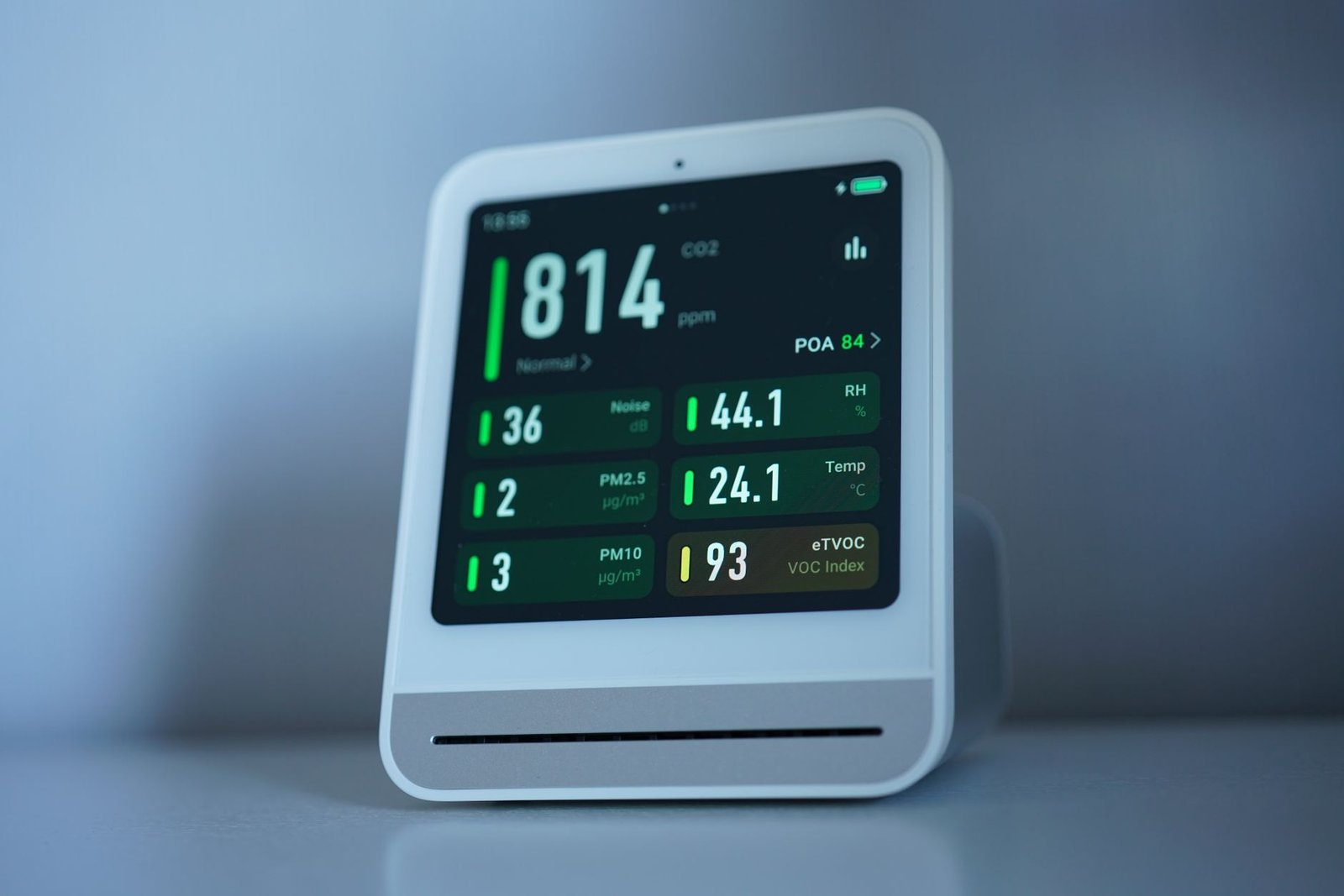
Ensuring optimal indoor air quality is paramount for domestic wellness, and in 2026, the best air quality monitors extend far beyond detecting common allergens. For homeowners prioritizing a truly healthy indoor environment, the most effective devices are those specifically designed to accurately identify volatile organic compounds (VOCs) and mold spores. These advanced monitors leverage cutting-edge sensor technology and AI-driven analytics to provide precise, actionable insights into these often-overlooked threats, offering residents unparalleled control over their living spaces.
Understanding Indoor Air Quality: Beyond the Visible
While dust, pollen, and pet dander are well-known irritants, invisible threats like VOCs and mold spores pose significant, long-term health risks. VOCs are gases emitted from various solids and liquids, including paints, cleaning supplies, new furniture, building materials, and even personal care products. Exposure can lead to respiratory issues, headaches, and more severe health complications. Mold, a fungus that thrives in damp conditions, releases spores into the air that can trigger allergic reactions, asthma attacks, and other respiratory problems. Traditional air quality monitors often lack the specificity to detect these particular contaminants, necessitating specialized solutions.
The Silent Threats: VOCs and Mold
Many homeowners might not realize the extent of VOC off-gassing from modern home furnishings and construction materials. Even ‘low-VOC’ products can contribute to a cumulative load over time. Similarly, mold can grow silently behind walls, under floors, or in seldom-accessed areas, emitting spores long before any visible growth is apparent. Detecting these issues early requires technology capable of identifying specific chemical signatures and microscopic biological particles. The health and structural integrity of the home depend on such advanced detection capabilities.
Key Technologies for VOC and Mold Detection in 2026
The year 2026 brings significant advancements in sensor technology and data analysis, making it easier than ever to pinpoint VOCs and mold. These innovations provide homeowners with more accurate, reliable, and user-friendly monitoring solutions.
Advanced Sensor Arrays
Modern air quality monitors integrate sophisticated sensor arrays. For VOCs, this includes highly selective metal oxide semiconductor (MOS) sensors, photoionization detectors (PIDs), and even compact, miniaturized photoacoustic spectroscopy (PAS) modules. PAS technology, in particular, offers unparalleled precision in identifying and quantifying specific VOCs like formaldehyde, benzene, and toluene, reducing false positives commonly associated with older, broad-spectrum VOC sensors. These arrays work in concert, cross-referencing data to provide a more confident identification of various chemical compounds.
AI-Powered Analytics and Machine Learning
One of the most transformative trends for 2026 is the integration of artificial intelligence and machine learning. AI algorithms analyze vast datasets from sensor arrays, distinguishing between similar compounds, identifying patterns indicative of specific VOC sources, and even predicting mold growth potential based on micro-climatic conditions (temperature, humidity, pressure fluctuations). For mold detection, AI can process data from optical particle counters with spectral analysis, differentiating between various types of biological particles and flagging those consistent with mold spores. Some advanced units feature microfluidic air sampling combined with AI-driven image recognition, offering near real-time identification of specific mold genera.
Miniaturization and Integration
Sensors are becoming smaller, more energy-efficient, and more durable. This allows for more discreet devices with longer operational lifespans. Furthermore, seamless integration into smart home ecosystems is a standard expectation in 2026. Monitors communicate via protocols like Matter and Thread, linking with smart thermostats, ventilation systems, and dehumidifiers to trigger automated responses when air quality thresholds are breached. Edge computing capabilities ensure faster, localized data processing and reduced reliance on constant cloud connectivity, enhancing data privacy and response times.
Sustainable Material Developments
Beyond sensor technology, the casing and internal components of 2026 monitors increasingly incorporate sustainable and recycled materials, aligning with a broader trend towards eco-conscious consumer products. Longer-lasting, modular sensor cartridges also contribute to reduced electronic waste.
Top Air Quality Monitor Features for Advanced Detection: 2026 Considerations
When selecting an air quality monitor for VOCs and mold in 2026, the resident should look for specific features that elevate performance and usability.
- Specific VOC Identification: Rather than just reporting ‘total VOCs,’ the ideal monitor will identify and quantify individual harmful compounds (e.g., formaldehyde, benzene, xylene). This specificity allows for targeted remediation.
- Active Mold Spore Detection: Devices incorporating optical particle counters with spectral analysis or microfluidic sampling capabilities are superior to those relying solely on humidity levels. These units actively detect and characterize airborne biological particles consistent with mold spores.
- Real-time Data and Historical Logging: Immediate alerts are crucial, but historical data logging with clear graphical representations helps homeowners identify trends, pinpoint intermittent sources, and evaluate the effectiveness of mitigation efforts.
- Smart Home Integration: Compatibility with existing smart home platforms (e.g., Apple HomeKit, Google Home, Amazon Alexa, or Matter-compliant systems) enables automated responses like activating air purifiers or ventilation.
- Actionable Insights: The monitor should not just present raw data but offer clear, understandable insights and recommendations for improving air quality.
- Sensor Longevity and Calibration: Advanced sensors, particularly for VOCs, require periodic calibration or replacement. A monitor with easily replaceable, long-lasting sensor modules or self-calibration features is a significant advantage.
- User-Friendly Interface: A clear, intuitive display on the device itself and a well-designed companion app are essential for easy monitoring and control.
Choosing the Right Monitor: Factors for the Homeowner
Selecting the optimal air quality monitor involves considering several practical factors to ensure it meets the specific needs of the living environment.
Sensor Accuracy and Lifespan
The primary concern should always be the accuracy and reliability of the sensors. Research independent reviews and certifications. Understanding the expected lifespan of individual sensors and the cost/availability of replacement modules is also critical for long-term ownership. Higher-end models often feature self-calibrating sensors or offer professional calibration services to maintain peak performance over several years.
Connectivity and Data Interpretation
Consider how the monitor connects to other devices and services. Wi-Fi and Bluetooth are standard, but newer protocols like Matter and Thread offer enhanced interoperability. The accompanying app should provide more than just numbers; it should offer contextual information, personalized insights, and actionable advice. For instance, if formaldehyde levels are high, the app might suggest airing out a new piece of furniture or increasing ventilation.
User Interface and Portability
Some homeowners may prefer a discreet, wall-mounted unit, while others might benefit from a portable device that can be moved between rooms for targeted spot checks. The display on the device itself should be easy to read at a glance, and the mobile application must be intuitive for detailed analysis. A seamless user experience ensures consistent monitoring and engagement.
Integrating Air Quality Data for a Healthier Home
The true value of a 2026 air quality monitor lies in its ability to empower proactive management of the indoor environment. Data gathered by these advanced devices can inform decisions regarding ventilation, material choices, and even professional remediation.
Smart Home Ecosystems
With smart home integration, air quality data can trigger automated responses. For example, if VOC levels spike, a smart ventilation system might automatically increase airflow. If humidity rises to mold-favorable levels, a smart dehumidifier can activate. This seamless ecosystem creates a responsive, self-optimizing indoor climate.
Proactive Remediation
By identifying specific VOCs or early signs of mold, residents can take targeted action. This might involve identifying and removing the source of VOC emissions, addressing a hidden moisture issue before significant mold growth occurs, or consulting with remediation specialists armed with precise data. This proactive approach not only protects health but also preserves property value by preventing extensive damage.
Conclusion
In 2026, the landscape of indoor air quality monitoring has evolved significantly. For the discerning homeowner, investing in a high-quality air quality monitor that specifically detects VOCs and mold spores is no longer a luxury but a fundamental component of a comprehensive home wellness strategy. By leveraging the precision of advanced sensor arrays, the intelligence of AI analytics, and the convenience of smart home integration, residents can gain unparalleled insights into their indoor environment. This empowers proactive decision-making, ensuring a consistently healthier, more comfortable, and ultimately safer living space for all occupants.