
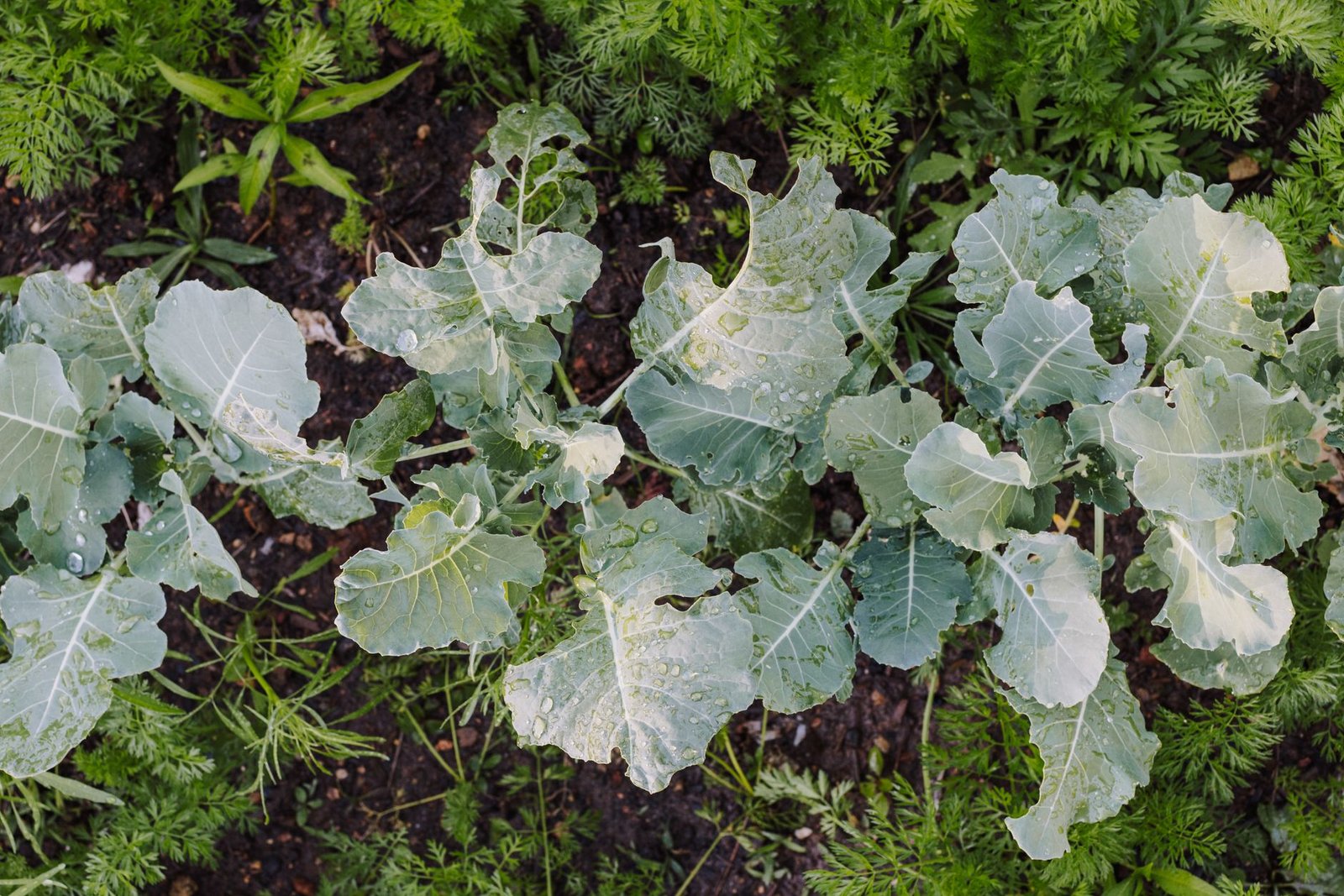
Integrating food-producing plants into existing landscape designs offers homeowners a dual benefit: beautiful aesthetics and a fresh, local food supply. In 2026, combining visual appeal with edible yield is not just a trend but a cornerstone of modern, sustainable living. The following seven ideas showcase how the resident can transform their outdoor spaces into highly productive, visually stunning edible landscapes, incorporating contemporary design principles and technological advancements.
The Evolution of Edible Landscapes: 2026 Perspectives
The landscape of 2026 embraces functionality, sustainability, and intelligent design. Homeowners are increasingly seeking landscapes that offer more than just aesthetic pleasure; they demand utility. Current trends emphasize drought-resistant varieties, native edibles, and smart irrigation systems that conserve precious resources. Material innovations, such as lightweight, recycled composite planters and biochar-enriched soils, are becoming standard. Furthermore, integrated pest management (IPM) strategies, often supported by AI-powered monitoring, ensure a healthy harvest without reliance on harmful chemicals. The goal is a resilient, self-sustaining ecosystem that contributes to both the household’s larder and the local environment.
Seven Ingenious Edible Landscaping Concepts for the Modern Home
1. Vertical Edible Walls and Living Towers
Optimizing space, especially in urban settings, is paramount. Vertical edible walls and living towers provide a striking visual element while maximizing growing area. Modular hydroponic and aeroponic systems, now more affordable and user-friendly, allow for the cultivation of herbs, leafy greens, and even smaller fruiting plants like strawberries. These systems often integrate smart sensors for nutrient levels and automated watering schedules, minimizing maintenance. The aesthetic appeal comes from the lush, green cascade of foliage, offering a contemporary take on a living art installation.
- Ideal Plants: Lettuce, spinach, kale, Swiss chard, strawberries, bush beans, various herbs.
- 2026 Innovation: Self-watering modules made from recycled bioplastics, integrated LED grow lights for low-light areas, smartphone-controlled nutrient dosing.
2. Permaculture-Inspired Fruit Tree Guilds
Drawing on permaculture principles, fruit tree guilds create a mini-ecosystem around a central fruit tree, providing mutual benefits. Companion plants suppress weeds, attract beneficial insects, fix nitrogen, and accumulate dynamic nutrients. This layered planting approach enhances biodiversity and resilience. For 2026, selecting climate-adapted fruit varieties and drought-tolerant understory plants is crucial, ensuring longevity and reduced water dependency. The visual result is a naturally abundant, almost wild yet managed, food forest aesthetic.
- Ideal Plants: Apple, pear, or plum trees as the central element; surrounded by comfrey, chives, nasturtiums, strawberries, daffodils, and nitrogen-fixing legumes.
- 2026 Innovation: Smart mulching solutions, advanced mycorrhizal fungi inoculants for improved soil health and drought resistance.
3. Decorative Edible Borders and Hedges
Traditional ornamental hedges and borders can be reimagined with food-producing plants. Edible borders offer year-round interest and a continuous harvest. Low-growing berry bushes, vibrant herbs, and attractive leafy greens can define pathways, frame garden beds, or delineate property lines. Imagine a border of dwarf blueberries providing seasonal fruit and stunning fall color, or a rosemary hedge releasing fragrant aromas when brushed against. This approach seamlessly blends utility with classic garden design.
- Ideal Plants: Dwarf blueberries, perennial kale, chard, rosemary, lavender, thyme, sage, lingonberry, low-growing serviceberry.
- 2026 Innovation: Genetically optimized compact and disease-resistant edible varieties, smart-pruning robotic assistants for hedge maintenance.
4. Integrated Raised Beds and Smart Container Gardens
Raised beds and container gardens offer flexibility and design control, making them perfect for integrating edibles into diverse landscapes. In 2026, these are not merely utilitarian boxes but design statements. Materials like recycled composite lumber, corrugated corten steel, or even polished concrete provide sleek, modern aesthetics. Self-watering planters with integrated reservoirs and smart soil moisture sensors significantly reduce manual watering. Arranging containers in visually appealing clusters or geometric patterns elevates their design impact, allowing for easy rotation and seasonal planting.
- Ideal Plants: Any annual vegetable (tomatoes, peppers, eggplant), leafy greens, root vegetables, bush varieties of fruit, herbs.
- 2026 Innovation: Biodegradable smart-fabric containers, modular elevated planters with integrated composting systems, app-controlled automated watering and nutrient delivery.
5. Perennial Vegetable and Herb Patches
For a truly low-maintenance, high-yield edible landscape, focus on perennial vegetables and herbs. These plants return year after year, establishing deep root systems that improve soil structure and reduce the need for replanting. Asparagus, rhubarb, artichokes, and a wide array of perennial herbs create a stable, beautiful, and continuously productive garden section. Thoughtful placement alongside ornamental perennials ensures a cohesive and visually pleasing landscape throughout the seasons.
- Ideal Plants: Asparagus, rhubarb, Jerusalem artichokes, sorrel, sea kale, various mints, oregano, thyme, sage, chives, lavender.
- 2026 Innovation: Use of biochar to enhance soil fertility and water retention for perennial beds, advanced pest-resistant perennial varieties.
6. Strategic Culinary Herb Zones with Edible Flowers
Creating dedicated culinary herb zones strategically located near the kitchen or outdoor dining areas offers convenience and sensory delight. These zones are designed for easy access, encouraging frequent harvesting. Integrating edible flowers like nasturtiums, pansies, or calendula adds vibrant color and texture, making the herb garden a focal point rather than just a utilitarian patch. The blend of diverse leaf shapes, colors, and the subtle beauty of edible blooms creates a highly attractive and functional space.
- Ideal Plants: Basil, cilantro, parsley, chives, mint, rosemary, thyme, dill, oregano; edible flowers like nasturtiums, calendula, borage, violas, dianthus.
- 2026 Innovation: Compact, high-yield herb varieties, drought-tolerant culinary herbs, advanced soil amendments promoting intense flavor profiles.
7. Espaliered Fruit and Berry Artistry
Espaliering involves training fruit trees or berry bushes to grow flat against a wall, fence, or trellis in a two-dimensional pattern. This ancient technique is experiencing a renaissance for its incredible space-saving qualities and artistic appeal. An espaliered apple tree, pear tree, or even berry canes can become a living sculpture, adding architectural interest and a bountiful harvest. It’s particularly effective for small gardens or narrow side yards, transforming otherwise unused vertical surfaces into productive assets. The meticulous training reveals beautiful patterns and allows for easier fruit picking.
- Ideal Plants: Apple, pear, fig, cherry, certain berry canes (e.g., thornless blackberries), dwarf citrus.
- 2026 Innovation: Modular espalier training kits made from durable, recyclable materials; advanced pruning tools with ergonomic designs for precise shaping.
Cultivating a Bountiful Future: Tips for Implementation
Successfully implementing these edible landscaping ideas requires attention to fundamental gardening principles. Prioritizing soil health through regular amendments with compost and organic matter is crucial for robust plant growth. Efficient water management, perhaps through smart drip irrigation systems tailored to plant needs, minimizes waste. Employing organic pest control methods and attracting beneficial insects helps maintain ecological balance. Furthermore, thoughtful plant selection, considering light requirements and mature size, ensures long-term success. The homeowner considering these options will find that a well-planned edible landscape contributes significantly to both the household’s well-being and the beauty of the property.
Conclusion
In 2026, edible landscaping represents the ultimate fusion of form and function. By thoughtfully integrating food-producing plants into existing designs, homeowners can cultivate spaces that are not only visually captivating but also provide a sustainable source of fresh produce. From vertical gardens leveraging cutting-edge technology to traditional espalier techniques given a modern twist, the possibilities for creating beautiful and bountiful landscapes are endless. The resident embarking on this journey will discover a profound connection to their environment, harvesting both beauty and sustenance from their own backyard.