
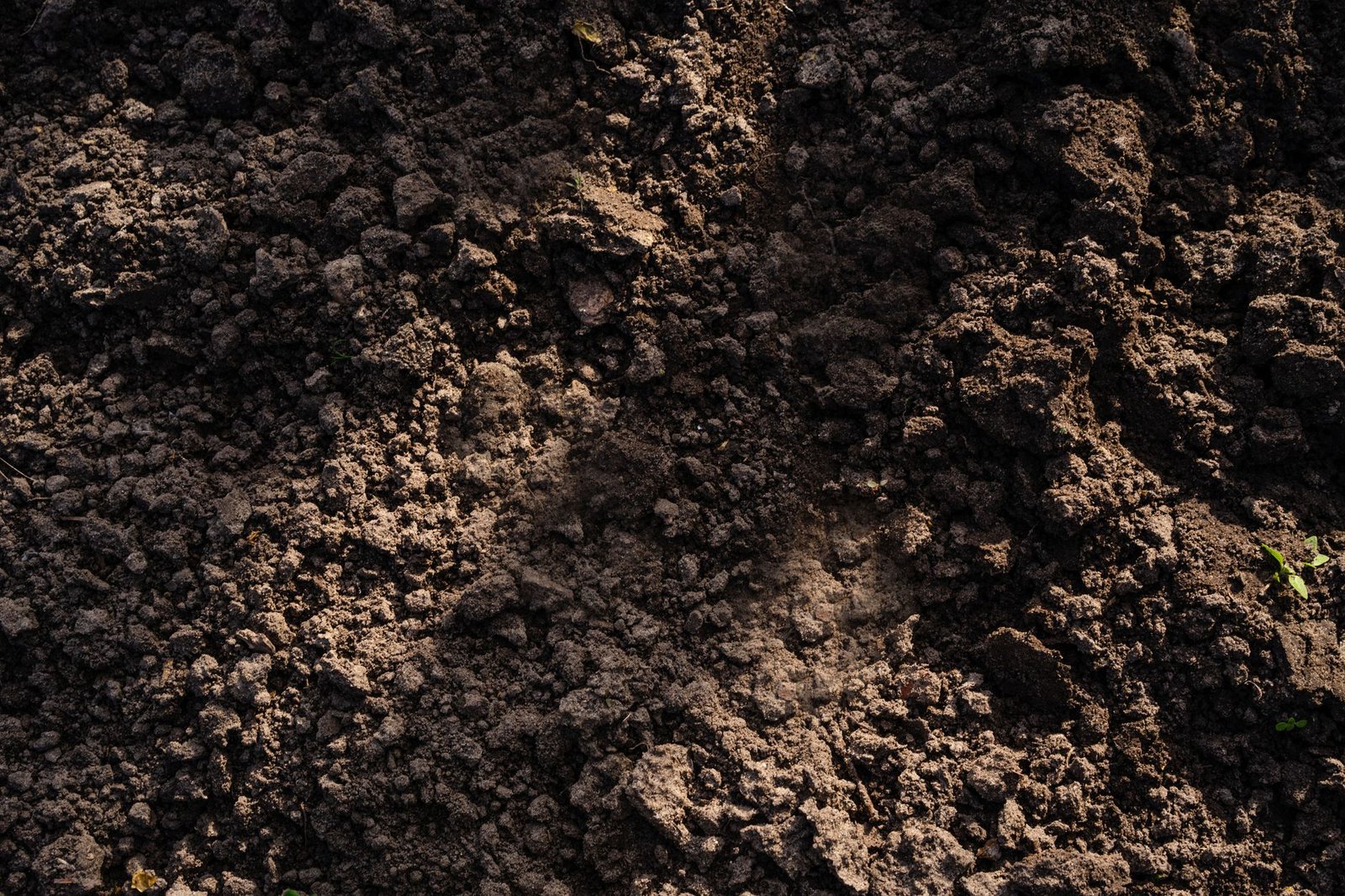
A garden with soil as hard as rock presents a significant challenge for plant growth and overall landscape vitality. Dense clay soil, characterized by small, tightly packed particles, often leads to poor drainage, limited aeration, and nutrient lockout, hindering root development. Fortunately, several effective strategies can transform challenging clay into a thriving environment. This article outlines five practical methods for amending and improving heavy clay soil, ensuring a healthier and more productive garden by 2026.
Understanding the Clay Soil Challenge
Clay soil, though often rich in nutrients, suffers from poor structure. Its microscopic particles bind tightly together, forming a compact mass that impedes water percolation and air circulation. This lack of porosity stifles root growth, creates anaerobic conditions, and makes the soil difficult to work. For optimal plant health, improving this dense structure is paramount, allowing roots to penetrate easily, water to drain efficiently, and oxygen to reach vital microbial life.
Transforming Clay: Five Proven Methods
1. Substantial Organic Matter Integration
Integrating copious amounts of organic matter is the most effective and sustainable long-term solution for improving clay soil. Organic materials act as a binder, creating larger soil aggregates (flocculation) that improve porosity, drainage, and aeration. Simultaneously, they enhance water retention during dry spells and provide a slow-release source of nutrients.
- Compost: Well-rotted compost, ideally created from a diverse mix of plant materials, is a cornerstone amendment. For existing beds, a top dressing of 2-4 inches worked into the top 6-8 inches of soil annually can yield significant improvements. For new garden areas, a more aggressive application of 4-6 inches tilled in deeply is beneficial. The resident should seek out high-quality, biologically active composts.
- Aged Manure: Fully composted animal manures (cow, horse, chicken) are excellent sources of organic matter and nutrients. Raw manure should be avoided as it can burn plants and introduce pathogens.
- Leaf Mold: Decomposed leaves provide a fungal-rich organic amendment that is particularly beneficial for soil structure.
- Biochar: A significant trend in 2026, biochar offers long-term soil improvement. This charcoal-like material, produced from biomass pyrolysis, creates a highly porous structure within the soil, significantly improving aeration and drainage in clay. Its stable carbon structure can persist for centuries, offering lasting benefits for soil aggregation, water holding capacity, and microbial habitat. When incorporated with compost, its effects are amplified.
The goal is to increase the organic content of the clay soil, fostering a dynamic, living soil ecosystem.
2. Strategic Use of Cover Crops and Green Manures
Cultivating cover crops, also known as green manures, is a natural and effective method for breaking up dense clay soil and adding organic matter in situ. These plants are grown specifically to benefit the soil, not for harvest.
- Root Penetration: Deep-rooted cover crops such as daikon radish, hairy vetch, or crimson clover send their roots deep into the clay, naturally fracturing compaction layers and creating channels for water and air.
- Biomass Addition: When cover crops are cut down and either lightly tilled into the soil or left to decompose on the surface (a common no-dig approach in 2026), they contribute substantial organic matter, enriching the soil structure and feeding beneficial microorganisms.
- Nutrient Cycling: Leguminous cover crops like clover and vetch also fix atmospheric nitrogen into the soil, providing a natural nutrient boost for subsequent plantings.
The gardener should select cover crop varieties suited to their local climate and specific soil improvement goals, planting them during fallow periods to maximize benefits before the main planting season.
3. Implement Raised Beds and No-Dig Principles
For areas with exceptionally stubborn clay, or where immediate results are desired, raised beds offer an excellent solution. By building up planting areas with imported, well-draining soil mixes, the homeowner bypasses the challenges of the underlying clay.
- Raised Beds: Constructing raised beds allows for filling with an ideal blend of topsoil, compost, and other amendments, creating an optimal growing environment from the outset. This also prevents foot traffic from compacting the newly amended soil.
- No-Dig Gardening: Complementing raised beds, the no-dig method is increasingly adopted for its soil health benefits. Instead of tilling, layers of organic matter (compost, shredded leaves, cardboard) are applied directly to the soil surface. This protects existing soil structure, encourages earthworm activity, and allows microorganisms to naturally incorporate the organic material, gradually improving the clay beneath without disruption. This approach is highly compatible with the long-term goals of enhancing clay soil structure and promoting biodiversity in the soil food web.
4. Judicious Gypsum Application
Gypsum (calcium sulfate) can be a beneficial amendment for specific types of clay soil, but its use requires careful consideration. Its primary benefit is to improve sodic (sodium-rich) clay soils by displacing sodium ions with calcium ions, which helps clay particles clump together (flocculate) and improves drainage.
- Soil Testing is Crucial: Before applying gypsum, a comprehensive soil test is essential. Gypsum is only effective on sodic clay soils. Indiscriminate use on non-sodic clays will provide little benefit and can even imbalance soil chemistry. Modern soil testing kits available to residents in 2026 offer more precise pH and nutrient analysis, guiding informed decisions.
- Application: If tests confirm sodic conditions, gypsum can be broadcast over the soil surface and lightly watered in. Recommended rates vary, so adhering to soil test recommendations is critical.
Gypsum is a temporary fix for specific chemical issues, not a substitute for organic matter, which provides lasting structural improvement for most clay types.
5. Advanced Soil Conditioners and Microbial Inoculants
Beyond traditional methods, 2026 sees an increased interest in advanced soil conditioners and beneficial microbial inoculants designed to optimize soil biology and structure.
- Beneficial Microbial Inoculants: These products introduce specific strains of bacteria and fungi that enhance nutrient cycling, aggregate stability, and overall soil health. Certain fungi, like mycorrhizae, form symbiotic relationships with plant roots, extending their reach and nutrient uptake, which is particularly beneficial in dense clay. Applying these alongside organic matter provides the microbes with the food source they need to thrive.
- Specialized Mineral Amendments: Products containing finely ground basalt dust or other mineral-rich rock dusts can gently contribute to soil structure over time, while also replenishing trace minerals that might be deficient in certain clay profiles. Their slow-release nature makes them a sustainable option.
- Humic and Fulvic Acids: Derived from organic matter, these acids can chelate nutrients, making them more available to plants, and also contribute to the formation of stable soil aggregates, enhancing the effectiveness of other amendments.
When considering these advanced options, the homeowner should research reputable brands and consult local agricultural extension services to ensure compatibility with their specific soil conditions and regional needs.
Long-Term Benefits and Maintenance
Improving clay soil is a progressive journey, not a one-time event. Consistent application of these methods over several seasons will yield increasingly dramatic results. The benefits are profound: enhanced root development, reduced plant stress, better nutrient uptake, and a thriving population of beneficial soil organisms. The resident will observe healthier, more vigorous plants, better water infiltration, and a soil that is a pleasure to work with. By prioritizing soil health through these practical strategies, a resilient and productive garden can be cultivated for years to come.