
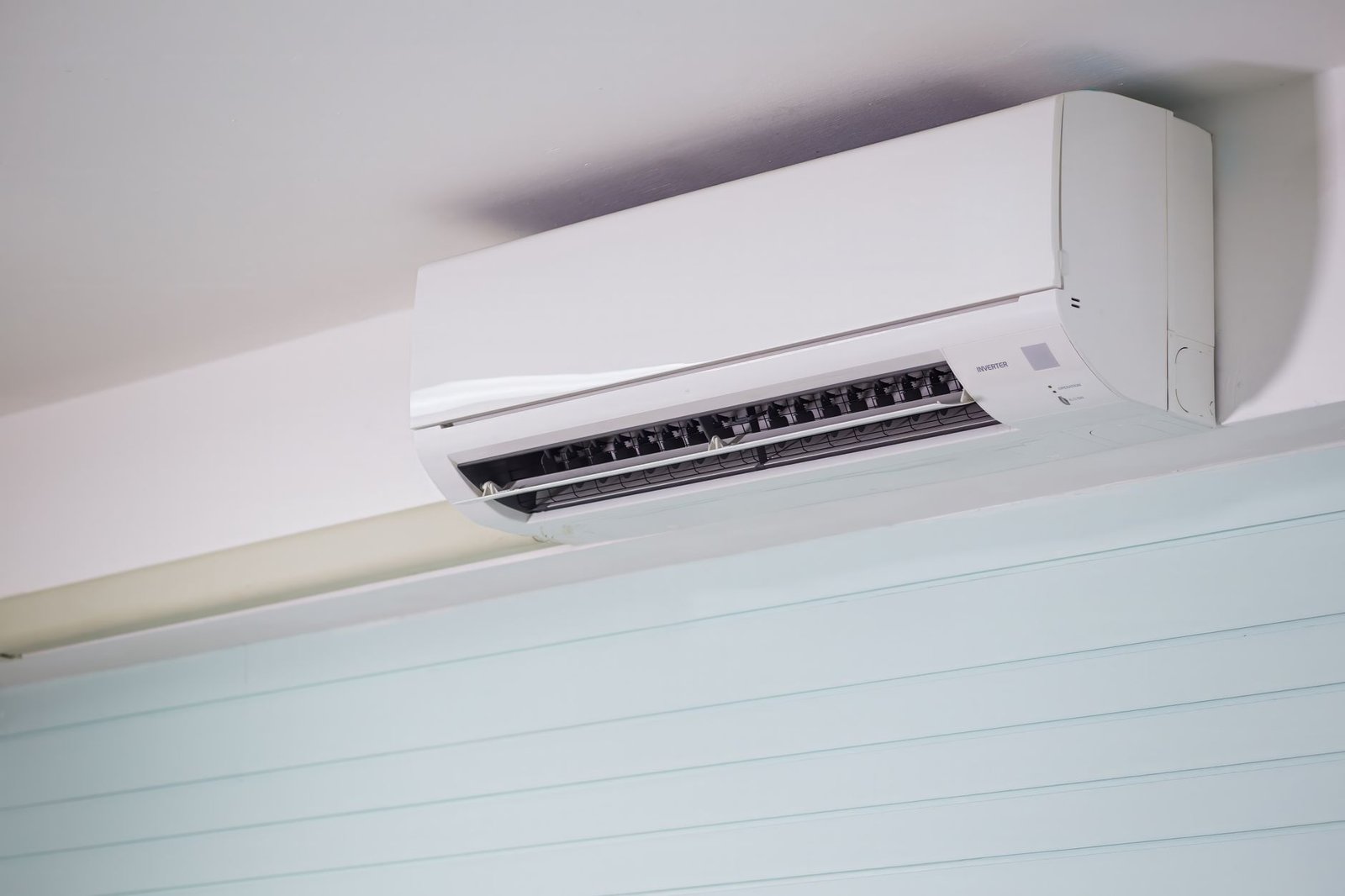
Investing in a whole-home smart air purification system in 2026 is a significant decision for enhancing indoor air quality (IAQ) and overall domestic comfort. The cost for such an advanced system can range broadly, typically falling between $2,500 and $10,000+ for equipment and installation, with ongoing operational costs between $100 and $500 annually. This comprehensive guide will detail the various factors influencing this investment, offering clarity for homeowners considering an upgrade to their home wellness infrastructure.
Understanding the Value of Whole-Home Smart Air Purification in 2026
In 2026, the emphasis on pristine indoor air quality has never been greater. With advancements in sensor technology, artificial intelligence (AI), and filtration media, whole-home smart air purification systems are no longer a luxury but a fundamental component of a healthy living environment. These systems work by integrating directly into a home’s existing HVAC ductwork or as a dedicated, high-capacity unit, ensuring every cubic foot of air benefits from continuous purification. The ‘smart’ aspect involves sophisticated sensors that detect a wide array of pollutants—from particulate matter (PM2.5, PM10) and volatile organic compounds (VOCs) to CO2 levels and allergens—and AI-driven controls that automatically adjust purification intensity. This proactive approach ensures optimal air quality without constant manual intervention, contributing significantly to a resident’s well-being and a home’s long-term value.
Key Factors Influencing Whole-Home Smart Air Purifier System Costs
The total cost of a whole-home smart air purification system is influenced by several critical factors. Understanding these elements allows for a more accurate budget projection and informed decision-making.
1. Home Size and HVAC System Compatibility
- Square Footage: Larger homes naturally require more powerful systems with higher airflow capacities, leading to increased equipment costs. Systems are rated for specific cubic feet per minute (CFM) or square footage.
- Ductwork Condition: If existing HVAC ductwork is old, leaky, or requires modifications to accommodate the purification unit, additional installation costs will be incurred. Severely compromised ductwork might necessitate significant repairs or replacement.
- HVAC System Type: Compatibility with various HVAC setups (e.g., central forced air, heat pumps, mini-splits) can affect installation complexity and choice of compatible purifiers.
2. Chosen Purification Technologies
Modern whole-home systems often combine multiple purification methods for comprehensive coverage:
- Advanced HEPA Filtration: The gold standard for capturing airborne particles, including dust, pollen, pet dander, mold spores, and even some viruses and bacteria. 2026 innovations include ultra-fine composite materials that maintain efficiency with lower pressure drop, extending HVAC component life. Costs vary based on filter size, MERV rating (typically MERV 13+ for whole-home), and replacement frequency.
- Activated Carbon Filters: Essential for adsorbing odors, gases, and VOCs. 2026 trends see higher-capacity, granular activated carbon beds designed for longer lifespan and more effective chemical removal.
- UV-C Germicidal Irradiation: Utilizes ultraviolet light to neutralize airborne pathogens, including bacteria, viruses, and mold spores. Newer UV-C lamps in 2026 boast enhanced spectral output and significantly longer operational lives (up to 3-5 years) with self-cleaning capabilities, reducing maintenance.
- Photocatalytic Oxidation (PCO): Breaks down VOCs and other gaseous pollutants at a molecular level using UV light and a titanium dioxide catalyst. 2026 PCO units feature advanced catalysts for broader pollutant destruction and improved efficiency without producing harmful byproducts like ozone.
- Bi-Polar Ionization: Releases charged ions into the air stream that attach to particles, causing them to clump together and fall out of the air or be more easily captured by filters. 2026 designs focus on ozone-free operation and enhanced efficacy against ultrafine particles.
3. Smart Features and Connectivity
The ‘smart’ aspect of these systems significantly influences cost:
- Integrated Sensors: Advanced sensors for PM2.5, PM10, VOCs, CO2, humidity, and temperature. Higher-end systems feature more precise and comprehensive sensor arrays.
- AI and Machine Learning: Systems with AI capabilities can learn a home’s specific air quality patterns, predict pollution events, and optimize purification schedules for maximum efficiency and energy savings. This predictive maintenance also alerts residents to potential issues or filter replacement needs.
- Smart Home Integration: Seamless connectivity with popular smart home ecosystems (e.g., Matter, Thread, Apple HomeKit, Google Home, Amazon Alexa) allows for centralized control and automation.
- Mobile App Control & Data Analytics: Robust mobile applications provide real-time IAQ data, historical trends, remote control, and personalized recommendations.
4. Installation Complexity and Labor Costs
- HVAC Integration: Most whole-home systems integrate into existing HVAC ductwork. This requires professional installation, including cutting into ducts, wiring, and ensuring proper airflow.
- Dedicated System Installation: For homes without central HVAC or those requiring an independent high-capacity system, installation may involve more significant structural modifications.
- Geographic Location: Labor rates for HVAC technicians vary significantly by region.
- Permits and Inspections: Depending on local regulations, permits and inspections may be required, adding to the overall cost.
5. Brand Reputation and Warranty
Premium brands often command higher prices due to their reputation for reliability, advanced technology, and comprehensive warranties. Longer warranties on parts and labor can offer significant peace of mind.
Typical Cost Breakdown for 2026
While costs vary, a general breakdown helps homeowners anticipate the investment:
- Entry-Level Systems ($2,500 – $4,500): Often single-technology (e.g., advanced HEPA or UV-C) with basic smart sensors and app control, suitable for smaller to medium-sized homes.
- Mid-Range Systems ($4,500 – $7,500): Typically incorporate a combination of 2-3 technologies (e.g., HEPA + carbon + UV-C), more sophisticated sensors, AI-driven automation, and robust smart home integration for medium to larger homes.
- High-End/Premium Systems ($7,500 – $10,000+): Feature multi-stage filtration (HEPA, carbon, PCO, ionization), comprehensive sensor arrays, advanced AI, zone-specific purification capabilities, and premium build quality, ideal for larger or custom homes demanding the highest IAQ standards.
Ongoing Maintenance and Operational Costs
Beyond the initial installation, homeowners should budget for ongoing expenses:
- Filter Replacements: HEPA and activated carbon filters typically need replacement every 6-12 months, costing between $50 and $200 per set, depending on size and type.
- UV-C Lamp Replacements: UV-C lamps usually last 1-3 years and cost $75-$150 each. Newer, longer-life lamps (3-5 years) help mitigate this cost.
- Energy Consumption: Modern smart purifiers are increasingly energy-efficient, utilizing ECM motors and intelligent fan controls. Average annual electricity costs are generally low, ranging from $30 to $100.
- Professional Servicing: Annual or bi-annual professional check-ups ensure optimal performance, sensor calibration, and system longevity, typically costing $100-$250 per visit.
2026 Industry Trends and Material Developments
The year 2026 sees continued evolution in indoor air quality technology:
- Hyper-Personalization: Systems offer more granular control, allowing residents to prioritize specific pollutant removal (e.g., allergy mode, pet dander mode, VOC removal) based on real-time data and personal health needs.
- Sustainable Materials: A growing focus on eco-friendly filter materials, including recycled composites and biodegradable options, alongside longer-lasting components to reduce environmental impact.
- Enhanced Sensor Accuracy: Further refinement in sensor technology, offering even more precise detection of ultra-fine particles, specific VOCs, and bioaerosols, minimizing false positives.
- Predictive Maintenance: AI models are becoming more sophisticated, accurately predicting component failure or filter exhaustion based on usage patterns and environmental factors, notifying homeowners proactively.
- Quiet Operation: Engineering advancements are leading to significantly quieter purification units, integrating seamlessly into residential environments without noise disruption.
- Modular Designs: Some systems are moving towards modular components, allowing for easier upgrades to purification technologies or sensor suites without replacing the entire unit.
Conclusion
The cost of a whole-home smart air purification system in 2026 is a nuanced investment, reflecting the integration of advanced technologies, system complexity, and installation specifics. While the initial outlay can range from approximately $2,500 to over $10,000, the long-term benefits—superior indoor air quality, enhanced health, increased domestic comfort, and potential energy savings through optimized operation—represent significant value. For the homeowner prioritizing a healthy living environment, a thorough evaluation of these factors, coupled with consultations from qualified HVAC and IAQ professionals, will ensure a smart investment in the future of their home’s wellness.