The quest for optimal outdoor comfort invariably leads to the selection of effective shade solutions. In 2026, the decision between a cantilever umbrella and a market umbrella for superior patio shade hinges significantly on the specific spatial dynamics, aesthetic aspirations, and functional priorities of the outdoor environment. Both umbrella types present distinct advantages and limitations, each having evolved with modern material science and design trends to offer advanced performance.
The Enduring Appeal: Market Umbrellas in 2026
Design and Placement
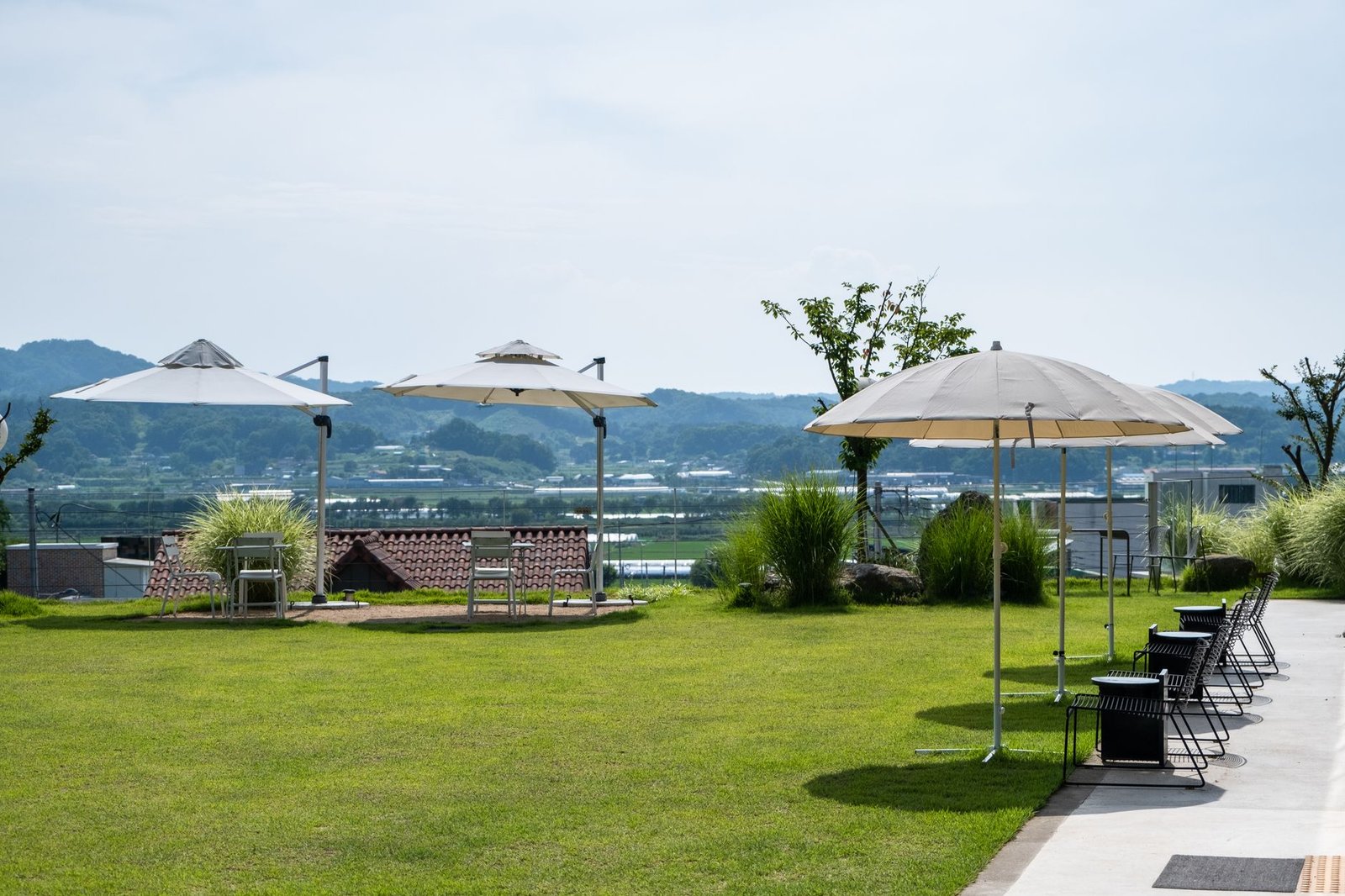
Market umbrellas, characterized by their central pole design, represent a classic and familiar shade solution. These umbrellas are typically positioned through the center of a patio table or secured in a freestanding base. Their upright structure provides a defined shaded area directly beneath the canopy, making them ideal for dining spaces or compact seating arrangements. Modern market umbrellas in 2026 frequently feature reinforced aluminum or marine-grade stainless steel poles, offering enhanced stability and corrosion resistance.
Advantages
- Space Efficiency with Tables: When integrated with a dining table, the central pole minimizes the footprint on the patio surface, maximizing usable space around the table.
- Ease of Operation: Most market umbrellas utilize intuitive crank or pulley systems for opening and closing, making daily adjustments straightforward for the resident.
- Portability: Lighter models can be easily relocated to different areas of the patio as needed, offering flexible shade for various activities.
- Aesthetic Versatility: Available in a vast array of colors, patterns, and fabric textures, market umbrellas can seamlessly complement diverse outdoor decor styles, from traditional to contemporary.
Disadvantages
- Fixed Shade Footprint: The central pole design restricts the shade to a relatively static area directly above. Adjusting the shade often requires repositioning the entire table and umbrella assembly.
- Obstruction: The central pole can sometimes obstruct views or conversation across a table, depending on its height and the seating arrangement.
- Base Requirements: Freestanding market umbrellas demand substantial bases to ensure stability, which can occupy valuable floor space and be quite heavy to move.
2026 Innovations in Market Umbrellas
Current trends emphasize durability and smart integration. Fabrics now boast advanced UV protection and hydrophobic coatings, extending lifespan and resistance to fading. Integrated solar-powered LED lighting systems are standard, providing ambient evening illumination. Furthermore, some high-end models incorporate wind-venting mechanisms that automatically adjust to gusts, enhancing stability without manual intervention.
The Avant-Garde Solution: Cantilever Umbrellas in 2026
Design and Placement
Cantilever umbrellas, also known as offset or side-post umbrellas, feature a pole positioned to the side of the canopy, allowing the shade to extend freely over an area without obstruction. This innovative design offers unparalleled flexibility in shade placement. They are predominantly used for lounge areas, large conversation pits, or poolside settings where a central pole would be inconvenient. Frames in 2026 are often constructed from heavy-gauge aluminum or steel, sometimes with powder-coated finishes for superior weather resistance.
Advantages
- Unobstructed Shade: The primary benefit is the clear, open space beneath the canopy, providing maximum usable area for furniture and guests.
- Exceptional Adjustability: Many cantilever models offer multi-directional tilting, 360-degree rotation, and adjustable height, allowing the resident to precisely track the sun’s movement throughout the day. This adaptability ensures continuous shade coverage from sunrise to sunset.
- Versatile Positioning: Ideal for shading large or irregularly shaped areas, as the base can be placed discreetly away from the primary seating zone.
- Modern Aesthetic: Their sleek, architectural design often lends a contemporary and sophisticated look to outdoor spaces.
Disadvantages
- Significant Footprint: While the canopy is unobstructed, the heavy base required for stability can occupy a substantial amount of patio space and is generally not easily moved once in place.
- Higher Cost: Due to their complex engineering, robust materials, and advanced features, cantilever umbrellas typically command a higher price point than market umbrellas.
- Wind Sensitivity: Their large, unsupported canopies can be more susceptible to wind damage if not properly secured or retracted during high winds.
2026 Innovations in Cantilever Umbrellas
The advancements in cantilever umbrellas are particularly noteworthy in 2026. Materials like reinforced aluminum alloys and marine-grade stainless steel are standard, offering exceptional durability. Smart home integration is a growing trend, with some models offering app-controlled rotation and tilt functions, and even integrated misting systems for cooling. Fabrics utilize cutting-edge solution-dyed acrylics with self-cleaning properties and advanced spectral filters for superior UV protection. Counterbalance systems are being refined to make operation even smoother, often with hydraulic or gas-strut assistance.
Making the Optimal Choice: Key Considerations for 2026
Selecting between a cantilever and market umbrella requires a thoughtful assessment of several factors, aligning the umbrella’s capabilities with the resident’s specific outdoor living needs.
Space and Layout
For smaller patios or areas primarily used for dining with a central table opening, a market umbrella remains an excellent, space-efficient choice. Its direct shade footprint complements a table-centric setup. Conversely, for expansive lounge areas, poolside retreats, or scenarios where maximum flexibility in shade coverage is paramount, a cantilever umbrella excels. Its offset pole design frees up the shaded zone for unrestricted furniture arrangement.
Aesthetic Integration
The visual impact of the umbrella should harmonize with the overall outdoor design. Market umbrellas offer a more traditional or classic silhouette, while cantilever models present a distinctly modern and architectural statement. The choice often reflects the resident’s existing or desired patio aesthetic.
Durability and Maintenance
Both types have seen significant advancements in materials in 2026, leading to increased longevity. However, due to their larger and more complex mechanisms, cantilever umbrellas might require more precise maintenance to ensure smooth operation of their rotating and tilting features. Residents should prioritize models with robust frames, high-quality fabric (e.g., solution-dyed acrylics), and corrosion-resistant hardware regardless of type.
Budget Allocation
Generally, market umbrellas offer a more accessible entry point for patio shade solutions, making them a practical choice for budget-conscious homeowners. Cantilever umbrellas, with their advanced engineering and features, represent a more significant investment, justified by their superior flexibility and large-scale shade capabilities.
Wind Resistance Features
In locations prone to high winds, assessing the umbrella’s wind rating and features is critical. Many 2026 models, particularly cantilever types, include reinforced ribs, dual-vented canopies, and secure locking mechanisms to withstand moderate gusts. However, proper care, including closing the umbrella during severe weather, remains essential for both types.
Conclusion: Tailoring Shade to Lifestyle in 2026
In 2026, both cantilever and market umbrellas offer sophisticated and effective shade solutions, each evolving with new materials and smart technologies. The question of which provides “better” patio shade is not absolute but profoundly contextual. For precise, table-centric shade with a classic aesthetic and a more modest investment, the market umbrella remains an optimal choice. For expansive, flexible, and unobstructed shade over lounge areas, with a willingness for a larger initial outlay, the cantilever umbrella is undeniably superior. Ultimately, the discerning homeowner evaluates their specific outdoor space, functional requirements, and design preferences to select the shade solution that best enhances their domestic comfort and outdoor living experience.