
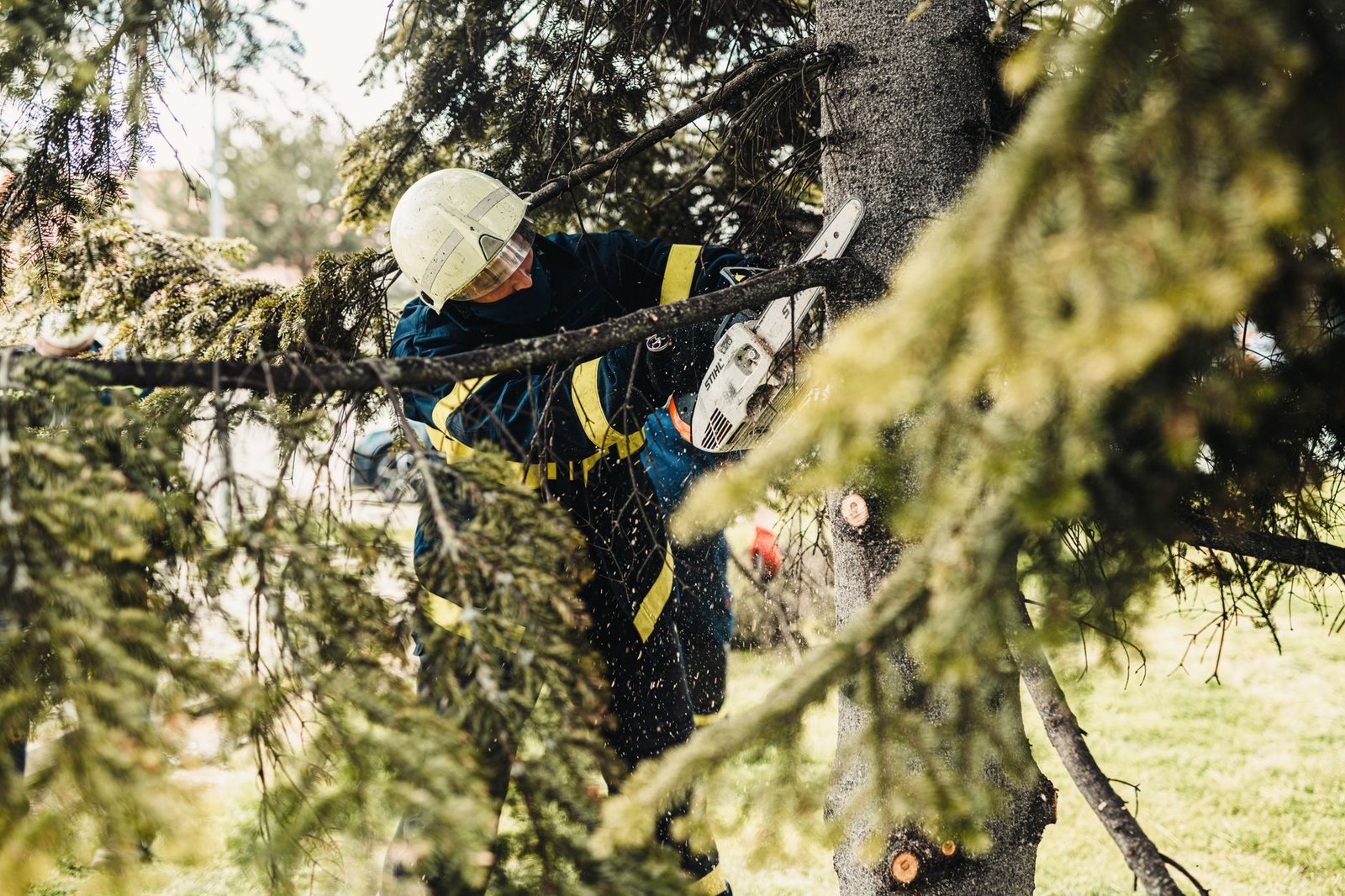
In 2026, the cost of professional tree pruning typically ranges significantly, from approximately $200 for small ornamental trees to upwards of $2,000 or more for large, mature specimens requiring extensive work. This wide variance is primarily influenced by the tree’s size, its condition, the complexity of the pruning task, and the specific geographic location. Understanding these core elements allows the homeowner to anticipate expenses and budget effectively for maintaining healthy and aesthetically pleasing landscapes.
Understanding Tree Pruning Costs in 2026
Professional tree pruning is an essential service for maintaining tree health, enhancing curb appeal, and ensuring safety around residential properties. While a precise universal figure is elusive, several distinct factors coalesce to determine the final pricing structure provided by arboricultural specialists in the current year, 2026.
Core Cost Factors
- Tree Size and Type:
The most significant determinant of pruning cost is the tree’s size. Small trees, generally under 20 feet, require less equipment and labor, typically falling into the lower end of the cost spectrum. Medium trees (20-40 feet) demand more specialized tools, such as pole saws or ladders, increasing the labor intensity. Large trees, often exceeding 40 feet, necessitate advanced equipment like bucket trucks, cranes, or extensive climbing gear, along with a larger crew, pushing costs considerably higher. The species of tree also plays a role; dense hardwoods may require more effort than softer woods.
- Tree Condition and Accessibility:
A tree’s health and structural integrity directly impact pruning expenses. Trees that are neglected, overgrown, diseased, or feature dead branches pose greater challenges and risks, leading to higher service charges. Similarly, accessibility is paramount. Trees located in open, easily reachable areas incur lower costs than those situated near structures, power lines, fences, or in sloped, confined spaces. Such challenging positions demand meticulous planning, specialized techniques, and often, additional safety measures, all of which add to the final price.
- Type of Pruning Required:
Different pruning objectives command varying levels of effort and expertise:
- Crown Cleaning: Removal of dead, diseased, or weak branches. This is often the most basic and least expensive.
- Crown Thinning: Selective removal of branches to increase light penetration and air movement, reducing wind resistance.
- Crown Raising: Removal of lower branches to provide clearance for pedestrians, vehicles, or structures.
- Crown Reduction: Reducing the height or spread of a tree, often for clearance or to manage size. This is a more complex task and typically more expensive.
- Hazardous Pruning: Addressing immediate safety concerns, such as branches overhanging a roof or power lines, often requires urgent attention and specialized risk assessment.
- Aesthetic or Fine Pruning: Detailed work to shape the tree for specific landscape designs, demanding significant arboricultural skill.
- Geographic Location:
Labor costs and operating expenses for arboricultural businesses vary significantly by region. Urban and suburban areas with a higher cost of living generally see higher pruning prices compared to rural locations. Local regulations, permit requirements for street trees, and competitive market dynamics also contribute to regional price differences.
- Equipment and Technology:
In 2026, tree service providers leverage a blend of traditional and advanced equipment. The use of specialized equipment, such as articulated boom lifts, mini-cranes, or even drone-assisted initial assessments for very tall trees, can influence the cost. Environmentally conscious companies are increasingly adopting battery-powered chainsaws and chippers, which, while sometimes representing a higher initial investment for the provider, can lead to quieter operations and lower fuel surcharges for the resident.
2026 Industry Trends and Innovations
The arboriculture industry in 2026 continues to evolve, with several trends impacting service delivery and pricing:
- Sustainable Practices: There’s a growing emphasis on environmentally friendly methods. Tree service companies are increasingly using electric or hybrid equipment to reduce noise pollution and carbon emissions, aligning with resident desires for eco-conscious services. Practices like leaving wood chips for mulch also contribute to sustainable landscape management.
- Advanced Diagnostics: Modern arborists utilize advanced tools, including thermal imaging and sonic tomography, to assess internal tree health without invasive procedures. While these diagnostics might add an initial consulting fee, they can prevent costly mistakes or unnecessary removals in the long run by providing a precise understanding of a tree’s structural integrity.
- Digital Quoting and Planning: Many companies are adopting sophisticated software for satellite-based measurements and virtual consultations. This allows for more accurate quoting and efficient scheduling, potentially streamlining administrative costs and offering more competitive pricing models. The homeowner benefits from faster, more transparent estimates.
- Workforce Specialization: The demand for certified arborists, especially those with specialized skills in advanced climbing, rigging, or tree risk assessment, remains high. This specialization ensures higher quality work and safety, but it also reflects in labor costs. Ongoing training and certification for crews are standard in reputable firms.
Maximizing Value and Ensuring Safety
Obtaining Quotes
To accurately budget for tree pruning, it is recommended that the homeowner obtain detailed quotes from at least three reputable tree service providers. A comprehensive quote should itemize services, specify equipment to be used, and outline the estimated timeframe for completion. Transparency in pricing is a hallmark of professional service.
Insurance and Certifications
When selecting a tree service, the homeowner must verify that the company holds adequate liability insurance and workers’ compensation coverage. This protects the resident from financial responsibility in the event of accidents or damage on their property. Furthermore, checking for certifications, such as those from the International Society of Arboriculture (ISA), indicates a commitment to industry best practices and professional standards, ensuring the crew possesses the necessary expertise and safety knowledge.
Long-Term Tree Health
Investing in professional tree pruning is an investment in the long-term health and structural integrity of the landscape. Regular, judicious pruning prevents minor issues from becoming major, costly problems. Proactive maintenance extends the life of trees, enhances property value, and mitigates safety risks associated with falling branches or unstable trees. For homeowners seeking to maintain a vibrant and secure outdoor environment, understanding the nuances of tree pruning costs in 2026 is an indispensable part of responsible property management.