
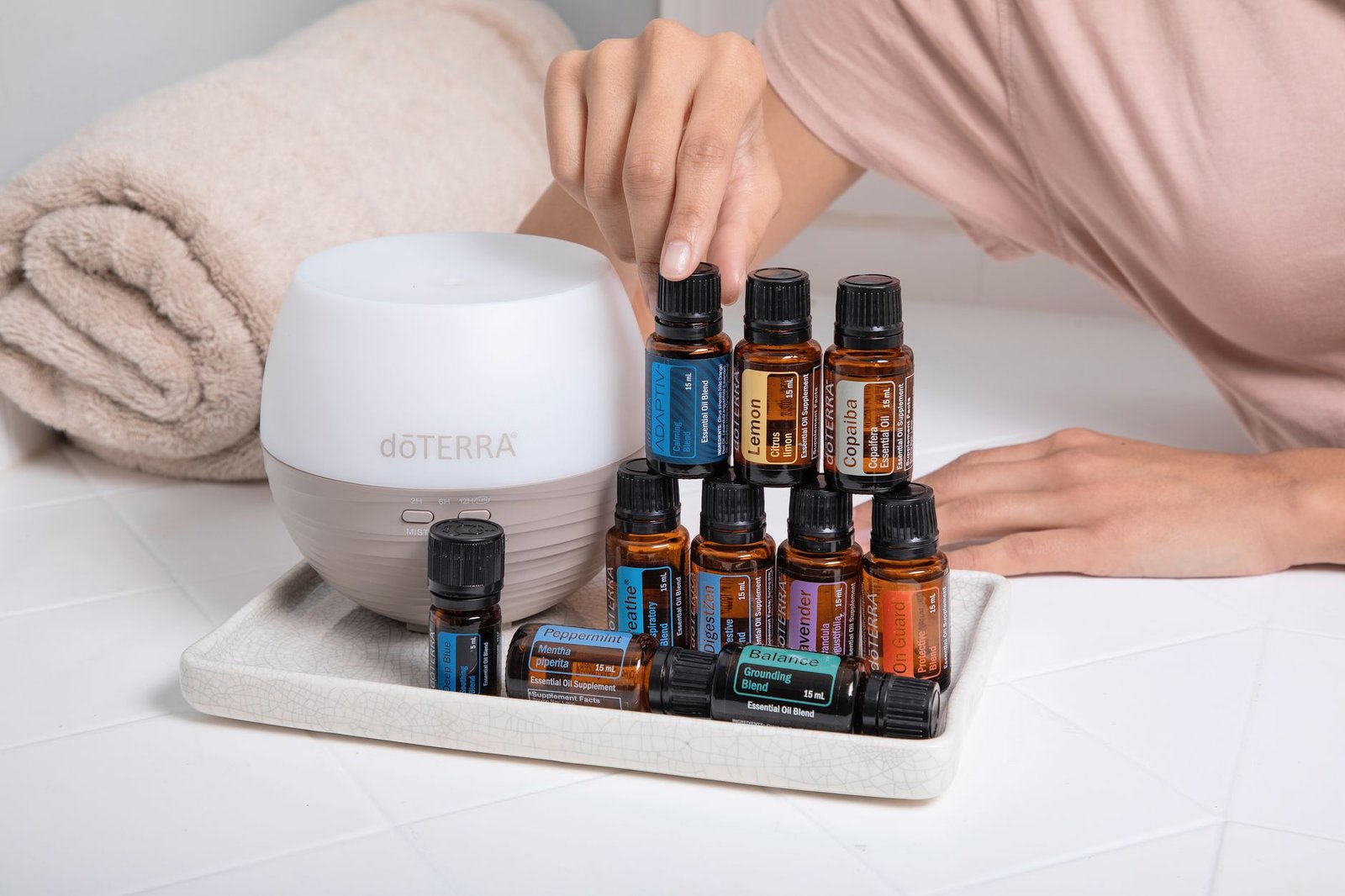
In 2026, the safest non-toxic diffuser for essential oils is predominantly characterized by its construction from inert, non-leaching materials such as borosilicate glass, ceramic, and medical-grade stainless steel. These materials ensure that essential oils maintain their purity without undesirable chemical interactions, making them the superior choice for home wellness. While some models may incorporate rigorously tested BPA/phthalate-free, food-grade plastics, the priority for optimal safety lies in maximizing contact surfaces with these highly stable, non-reactive substances.
As focus on domestic comfort and environmental health intensifies, the choice of an essential oil diffuser extends beyond aesthetics and functionality to encompass significant health and material safety considerations. The market in 2026 reflects a strong trend towards transparency in manufacturing and the adoption of advanced materials designed to prevent chemical leaching and maintain the therapeutic integrity of essential oils.
Understanding Non-Toxic Diffuser Materials in 2026
The foundation of a truly non-toxic diffuser lies in its component materials. Innovation in manufacturing and a heightened consumer awareness have driven significant advancements in material selection for essential oil diffusers by 2026.
Glass and Ceramic: The Gold Standard
Glass and ceramic remain the paramount choices for internal reservoirs and nebulizer components due to their inherent inertness. They do not react with essential oils, preventing chemical degradation or the leaching of harmful substances into the diffused mist. Borosilicate glass, increasingly prevalent in 2026 models, offers enhanced durability against thermal shock and accidental impact, reinforcing its status as a premier choice for non-toxic diffuser components. Ceramic options also provide excellent inertness and often feature intricate, aesthetically pleasing designs, making them a popular choice for visible parts of the diffuser.
Medical-Grade Stainless Steel: Durability and Purity
Medical-grade stainless steel is rapidly gaining traction as a preferred material for internal components such as ultrasonic plates, nozzles, and even entire housing units. Its exceptional resistance to corrosion, non-leaching properties, and ease of cleaning make it an excellent material for ensuring essential oil purity and diffuser longevity. In 2026, many high-end diffusers integrate stainless steel for parts that come into direct contact with essential oils or water, signifying a commitment to long-term safety and performance.
BPA/Phthalate-Free & Food-Grade Plastics: A Necessary Evolution
While plastics are often unavoidable in certain functional components, especially in ultrasonic diffusers, the market in 2026 heavily favors those explicitly labeled and independently verified as BPA-free and phthalate-free. The move towards certified food-grade polymers in reservoirs ensures a non-reactive surface, preventing the leaching of harmful chemicals into the essential oil-water mixture. Residents are advised to look for third-party certifications or clear manufacturer statements regarding plastic safety. Emerging materials include advanced plant-based bioplastics for external housings, presenting a more sustainable and potentially less impactful alternative where direct oil contact is not a factor.
Sustainable Wood Accents: Aesthetics and Health
For external casings and decorative elements, sustainable wood continues to be a popular choice. In 2026, emphasis is placed on responsibly sourced wood with non-toxic, VOC-free finishes. It is crucial, however, that wood components do not come into direct contact with undiluted essential oils, as oils can degrade wood or leach out any applied finishes. Wood is primarily used for its aesthetic appeal and does not contribute to the internal non-toxic properties of the diffuser itself.
Types of Diffusers and Their Non-Toxic Considerations
The safest diffuser also depends on its operational mechanism and how it interacts with the chosen materials.
Ultrasonic Diffusers: Water-Based Purity
Ultrasonic diffusers utilize water and essential oils, making the reservoir material paramount. The safest options feature reservoirs made from glass, ceramic, or certified food-grade/BPA-free plastic. The ultrasonic plate, which vibrates to create the mist, should ideally be made of ceramic or medical-grade stainless steel to prevent any metal interaction with the water and oils. For 2026, many leading brands are incorporating ceramic or stainless steel ultrasonic plates as standard.
Nebulizing Diffusers: Waterless, Potent, and Material-Critical
Nebulizing diffusers atomize pure essential oils without water, directly transforming them into a fine mist. This means the entire contact pathway – the nebulizer glass, internal tubing, and nozzle – must be inert. The most reliable nebulizers are constructed from borosilicate glass, ensuring no dilution or contamination of the pure oil. Tubing should be medical-grade silicone or other inert material. These diffusers offer powerful diffusion but necessitate meticulous material selection due to the direct interaction with concentrated essential oils.
Heat Diffusers: Simplicity and Material Integrity
Heat diffusers gently warm essential oils. The critical non-toxic aspect here is the material of the dish holding the essential oil. Ceramic or glass dishes are ideal as they are completely inert and can withstand heat without degradation or leaching. The heating element should be safely encased and not come into direct contact with the oils.
Evaporative Diffusers: Passive and Material-Dependent
Evaporative diffusers use a fan to blow air across an essential oil-infused pad or wick. The non-toxic consideration focuses on the pad material itself and its housing. Natural, unbleached cotton or cellulose pads housed within untreated wood, ceramic, or glass are the safest choices. These passive diffusers are generally simpler and present fewer material interaction concerns than active diffusers.
Key Health and Environmental Factors for Diffuser Selection
Beyond core materials, other factors contribute to the overall safety and responsible selection of a non-toxic diffuser in 2026.
Certifications and Transparency
Homeowners are encouraged to seek diffusers with reputable third-party certifications, such as RoHS compliance (Restriction of Hazardous Substances), CE certification, and explicit BPA/phthalate-free labeling. Manufacturers that provide clear, detailed material breakdowns for all components demonstrate a commitment to transparency and safety. The industry trend in 2026 leans heavily towards verifiable claims rather than vague assurances.
Maintenance and Longevity
Regular cleaning is vital for maintaining the non-toxic integrity of any diffuser. Essential oil residues can build up and potentially react with materials over time, or foster microbial growth. Diffusers made with glass, ceramic, or stainless steel are generally easier to clean thoroughly, reducing the risk of residue accumulation and extending the lifespan of the device. Longevity inherently contributes to sustainability, as it reduces the frequency of replacement.
Energy Efficiency and Sustainability
In 2026, environmental consciousness extends to home appliances. Consumers are increasingly looking for diffusers that are energy-efficient, reducing power consumption. Furthermore, products incorporating recycled materials in non-contact components or those with easily recyclable packaging align with broader sustainability goals, offering an additional layer of responsible consumerism.
Future Outlook: Innovations in Diffuser Safety
The trajectory for essential oil diffusers in 2026 and beyond points towards even greater integration of smart technologies and advanced material science. Future innovations may include self-cleaning functions using UV-C light, advanced inert coatings for traditionally problematic materials, and fully integrated smart home systems that monitor and adjust diffusion based on indoor air quality metrics. The overarching goal remains the delivery of pure, untainted essential oil benefits for optimal home wellness, driven by safer materials and smarter designs.
Ultimately, selecting the safest non-toxic diffuser in 2026 involves a discerning eye for materials, a critical review of certifications, and an understanding of how different diffuser types interact with essential oils. Prioritizing glass, ceramic, and medical-grade stainless steel components, especially for parts in direct contact with oils or water, provides the most assured path to a healthy and comfortable aromatic environment.