
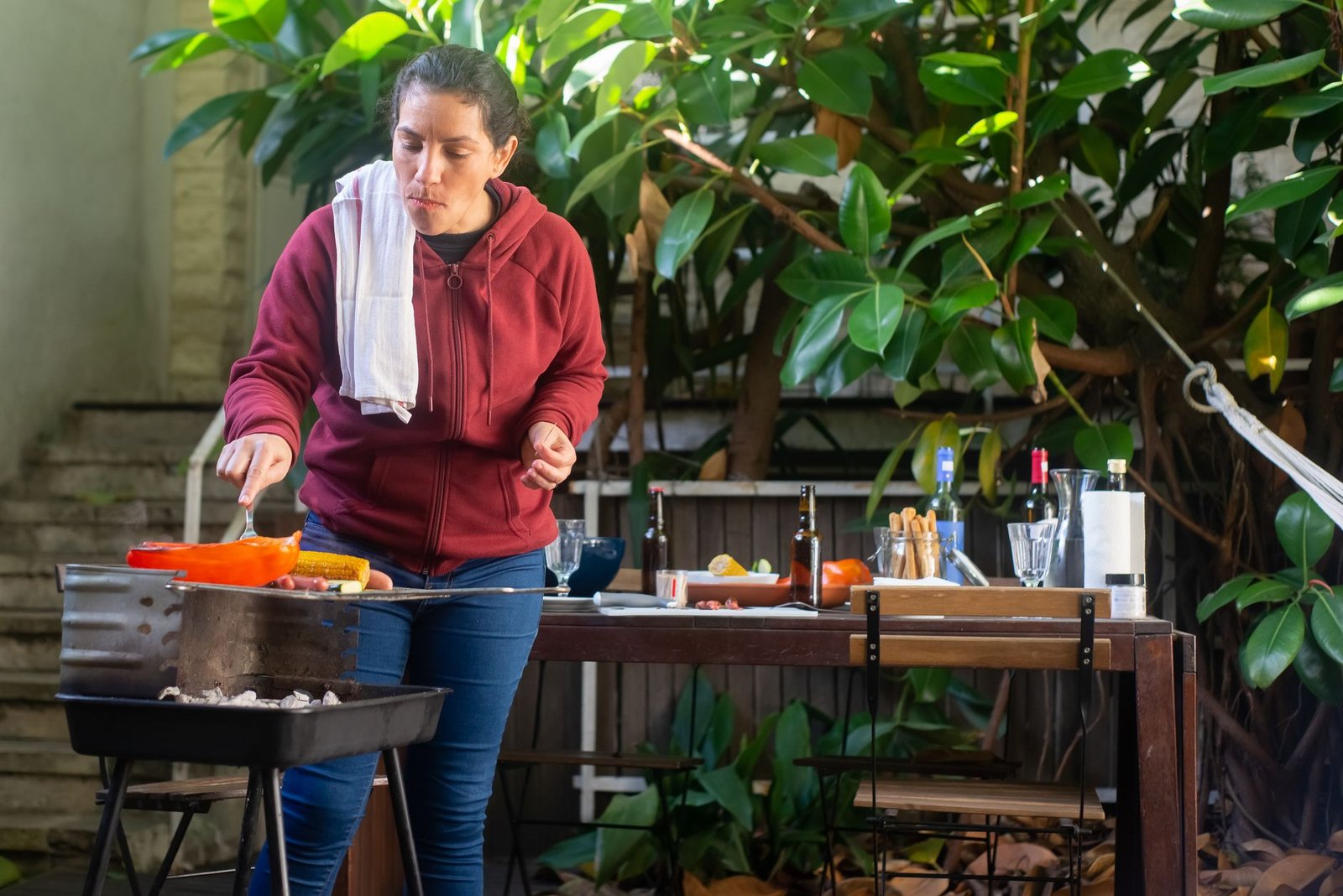
Investing in a custom outdoor kitchen enhances a home’s value and expands its functional living space. In 2026, the cost for a custom outdoor kitchen typically ranges from $25,000 to $120,000+, with the average falling between $45,000 and $80,000. This wide spectrum is influenced by an array of factors, including material choices, appliance selections, design complexity, and installation specifics, all of which have seen significant evolution and innovation in the current year.
Understanding these variables is crucial for any homeowner planning such an addition. This article provides a comprehensive breakdown of the key cost drivers, highlighting modern trends and material developments prevalent in 2026 to help residents make informed decisions.
Key Cost Factors for 2026 Outdoor Kitchens
The total expenditure for a bespoke outdoor kitchen is a mosaic of several distinct components. Each element, from the foundational infrastructure to the finishing touches, contributes to the overall investment.
Materials and Finishes
The choice of materials significantly impacts both the aesthetics and longevity of an outdoor kitchen, directly influencing its cost. For 2026, trends lean towards highly durable, weather-resistant, and often sustainable options.
- Countertops:
Premium options like sintered stone (e.g., Dekton, Neolith) and high-performance quartz remain popular due to their non-porous nature, UV resistance, and minimal maintenance, typically costing $100-$300 per square foot. Advanced recycled composite materials, offering similar durability with an eco-conscious profile, are also gaining traction at competitive price points. More budget-friendly options include high-grade concrete or sealed natural stone, which require more maintenance.
- Cabinetry:
Marine-grade polymers (HDPE), stainless steel, and composite wood materials specifically engineered for outdoor use are standard in 2026. Stainless steel cabinetry, known for its resilience and sleek appearance, can range from $300-$800 per linear foot. Polymer cabinets offer excellent weather resistance and a wider range of colors, often at a slightly lower price point. Reclaimed wood composites, treated for outdoor exposure, provide a rustic yet durable alternative, aligning with sustainable design trends.
- Structural Elements & Facing:
The base structure often involves weather-resistant steel framing, reinforced concrete, or composite panels. Exterior finishes such as natural stone veneer, stucco, brick, or high-performance porcelain panels dictate much of the visual appeal and incur costs ranging from $15-$60 per square foot for materials alone. Modern developments in lightweight, large-format porcelain panels offer a sophisticated and low-maintenance option.
Appliance Selection
Appliances are often the most significant individual cost drivers in an outdoor kitchen, with 2026 seeing an emphasis on smart functionality, energy efficiency, and specialized cooking features.
- Grills:
High-end built-in gas grills with advanced features like infrared burners, rotisseries, and smart connectivity (allowing remote monitoring via apps) range from $2,000 to $15,000+. Mid-range options typically fall between $800 and $2,500. Induction burners designed for outdoor use are also seeing increased adoption, offering precise temperature control and safety.
- Refrigeration:
Outdoor-rated refrigerators, beverage centers, and ice makers are essential for convenience. These appliances are engineered to withstand exterior temperatures and humidity and can cost from $800 to $4,000+, depending on size and features like dual zones or energy efficiency ratings.
- Sinks & Faucets:
Stainless steel sinks are standard, with features like touchless faucets and pull-down sprayers becoming more common. A complete sink and faucet setup can cost $300-$1,500.
- Specialty Appliances:
Pizza ovens (wood-fired or gas), side burners, warming drawers, power burners, and outdoor-rated dishwashers add significant functionality and cost. A premium built-in pizza oven might cost $3,000-$10,000, while a high-end power burner could be $1,000-$3,000. Integrated smart appliance suites, where multiple units communicate and coordinate, represent a premium investment in 2026.
Installation and Labor
The complexity of installation and the expertise of the labor team profoundly influence the overall budget.
- Site Preparation:
This includes excavation, grading, foundation work, and utility trenching (gas, water, electricity). Depending on the site’s existing conditions, these costs can range from $1,000 to $10,000.
- Utilities:
Extending plumbing, electrical wiring, and gas lines to the outdoor kitchen site requires certified professionals. Costs vary significantly based on distance from existing hookups and local regulations, typically between $2,000 and $8,000.
- Professional Installation:
Skilled labor for masonry, cabinetry installation, appliance integration, and finishing work constitutes a significant portion of the budget. Labor rates vary by region, but quality craftsmanship is paramount for durability and safety, often accounting for 30-50% of the total project cost.
- Permits:
Local building codes often require permits for outdoor kitchen installations, especially those involving gas, electrical, or plumbing work. Permit fees can range from a few hundred dollars to over a thousand, depending on the municipality.
Design and Customization
The level of customization and professional design involvement directly correlates with project cost.
- Design Fees:
Engaging a landscape architect or specialized outdoor kitchen designer can cost 5-15% of the total project budget, but their expertise can optimize layout, material selection, and overall functionality, often preventing costly mistakes.
- Layout Complexity:
A simple linear kitchen will be less expensive than an L-shaped or U-shaped design with multiple zones (e.g., cooking, prep, dining, bar). Islands and integrated bar seating add to material and labor costs.
- Additional Features:
Elements like integrated lighting, sound systems, pergolas, custom storage solutions, fire features, or outdoor heating systems elevate the design and comfort but also increase the overall investment.
Modern Trends & Material Developments in 2026
The outdoor living sector in 2026 is marked by several key trends that influence both design and cost.
- Sustainability & Resilience:
There is a strong demand for sustainable materials, including recycled content composites and locally sourced stone. Products engineered for extreme weather resistance—from UV protection against intense sun to freeze-thaw stability for colder climates—are becoming standard, ensuring longevity and reducing maintenance.
- Smart Home Integration:
Beyond smart grills, the integration of outdoor kitchens into a broader smart home ecosystem is common. This includes app-controlled lighting, automated shading, and voice-activated appliance controls, enhancing convenience and user experience.
- Biophilic Design:
Connecting outdoor kitchens with the natural environment through integrated planters, living walls, and natural material palettes (wood-look composites, textured stone) is a popular aesthetic, fostering a sense of well-being.
- Modular & Adaptable Systems:
To offer flexibility, some manufacturers provide modular outdoor kitchen systems that allow homeowners to expand or reconfigure their setup over time, which can be a cost-effective approach for phased projects.
- Minimalist Aesthetics & Clean Lines:
Sleek designs with hidden storage, handle-less cabinetry, and monochromatic palettes are prevalent, reflecting a desire for sophisticated, uncluttered outdoor spaces.
Budgeting Strategies for a 2026 Outdoor Kitchen
For individuals considering a custom outdoor kitchen, strategic budgeting is paramount.
- Prioritize Needs vs. Wants:
Identify essential appliances and features first, then add luxury items as the budget allows. A phased approach can also be considered, installing core components initially and expanding later.
- Material Selection:
While premium materials offer superior durability and aesthetics, a balanced approach combining high-impact areas with more economical options can help manage costs without compromising quality.
- Obtain Multiple Quotes:
Soliciting detailed proposals from several reputable contractors and designers allows for comparison of costs, proposed materials, and installation approaches.
- Consider Long-Term Value:
A well-designed and constructed outdoor kitchen can significantly increase a home’s market value and provide years of enjoyment. Investing in quality materials and professional installation often results in lower long-term maintenance and higher satisfaction.
Conclusion
The cost of a custom outdoor kitchen in 2026 is a nuanced figure, reflecting the homeowner’s vision for their outdoor living space, the quality of materials and appliances selected, and the complexity of its design and installation. With average expenditures ranging from $45,000 to $80,000, and high-end projects potentially exceeding $120,000, careful planning and detailed budgeting are essential. By understanding the evolving trends in materials, smart technology, and sustainable practices, residents can create a functional, beautiful, and enduring outdoor culinary oasis that perfectly aligns with their lifestyle and financial parameters.