In 2026, as domestic spaces increasingly merge with professional and recreational realms, the integration of natural elements has become paramount for psychological well-being. Houseplants offer a powerful yet often underestimated solution, providing significant mental health advantages that extend far beyond mere aesthetics. This article explores how indoor greenery contributes to stress reduction, improved focus, and profound mood enhancement, serving as a vital component of modern home living.
The Biophilic Imperative in Modern Homes
Reconnecting with Nature Indoors
The concept of biophilia, the innate human tendency to connect with nature and other living systems, forms the foundational understanding of why houseplants are so beneficial. As urbanisation continues its relentless pace, opportunities for genuine interaction with the natural world diminish. Incorporating plants indoors serves as a critical bridge, allowing residents to tap into this fundamental connection even within high-density environments. This reconnection is not merely pleasant; it is increasingly recognised as essential for maintaining psychological equilibrium in an often overwhelming digital landscape.
2026 Trends in Green Living Spaces
The landscape of indoor gardening in 2026 is dynamic, driven by technological advancements and a heightened awareness of sustainability. Smart plant care systems, featuring automated watering, integrated light sensors, and nutrient delivery, simplify maintenance, making plant ownership accessible to even the busiest individuals. Innovative planters crafted from recycled composites, biodegradable plastics, and locally sourced sustainable materials are becoming standard, reflecting a commitment to ecological responsibility. Furthermore, vertical gardens and modular living walls are no longer niche luxury items but are evolving into accessible, scalable solutions for integrating substantial greenery, often coupled with advanced air-purifying plant selections monitored by integrated environmental sensors for optimal indoor air quality.
Seven Surprising Mental Health Benefits
1. Stress Reduction and Anxiety Alleviation
Numerous studies consistently demonstrate that interaction with indoor plants can significantly lower cortisol levels, the body’s primary stress hormone. The simple act of observing plants, caring for them, or even having them within one’s visual field provides a meditative quality, prompting moments of calm. This engagement distracts from stressors and encourages a slower, more deliberate pace of activity. Modern residents find solace in the predictability and quiet growth of their botanical companions. The presence of living greenery contributes to a tangible reduction in daily mental load, fostering a more serene home environment.
2. Enhanced Focus and Cognitive Performance
Exposure to green spaces, even when confined to indoor plants, has been linked to improved concentration and memory retention. Plants offer a form of ‘soft fascination’ – a gentle engagement of attention that allows for mental restoration without demanding intense cognitive effort. This process helps to combat mental fatigue and restore directed attention, making spaces with plants ideal for work or study. In 2026, desktop mini-gardens, often incorporating hydroponic systems and integrated LED grow lights, are specifically designed for home offices to optimize cognitive function.
3. Mood Elevation and Decreased Symptoms of Depression
The vibrant aesthetics, diverse textures, and continuous life cycle of plants can profoundly foster feelings of hope, optimism, and vitality. Observing new growth or blooming flowers provides visual cues of life and renewal, which can act as powerful mood boosters. The mere presence of natural elements actively combats feelings of isolation and contributes to an overall sense of well-being. Biophilic design principles increasingly guide plant selection, emphasizing species that enhance visual appeal and interact with natural light to create uplifting indoor environments.
4. Improved Air Quality and Respiratory Comfort
While primarily a physical benefit, the capacity of certain houseplants to filter common indoor air pollutants significantly contributes to mental comfort. Reduced exposure to volatile organic compounds (VOCs) and other airborne irritants can alleviate headaches, fatigue, and general malaise, which, in turn, positively impacts psychological state. When the physical environment feels cleaner and fresher, residents report a heightened sense of calm and comfort. Advanced air quality sensors in 2026 actively monitor and highlight the effectiveness of specific plant varieties, guiding residents towards optimal choices for holistic respiratory and mental health.
5. Fostering a Sense of Purpose and Accomplishment
Nurturing a living entity provides a routine and a deeply satisfying, tangible sense of achievement as the plant thrives under one’s care. This responsibility, however small, can be profoundly fulfilling, particularly for those seeking meaningful engagement within their daily lives. Witnessing a plant’s growth journey from a small seedling or cutting to a flourishing specimen instills a feeling of competence and connection. DIY plant propagation kits, featuring advanced rooting media and sustainable packaging, are increasingly popular, empowering residents to engage in hands-on plant care from inception.
6. Promoting Mindfulness and Presence
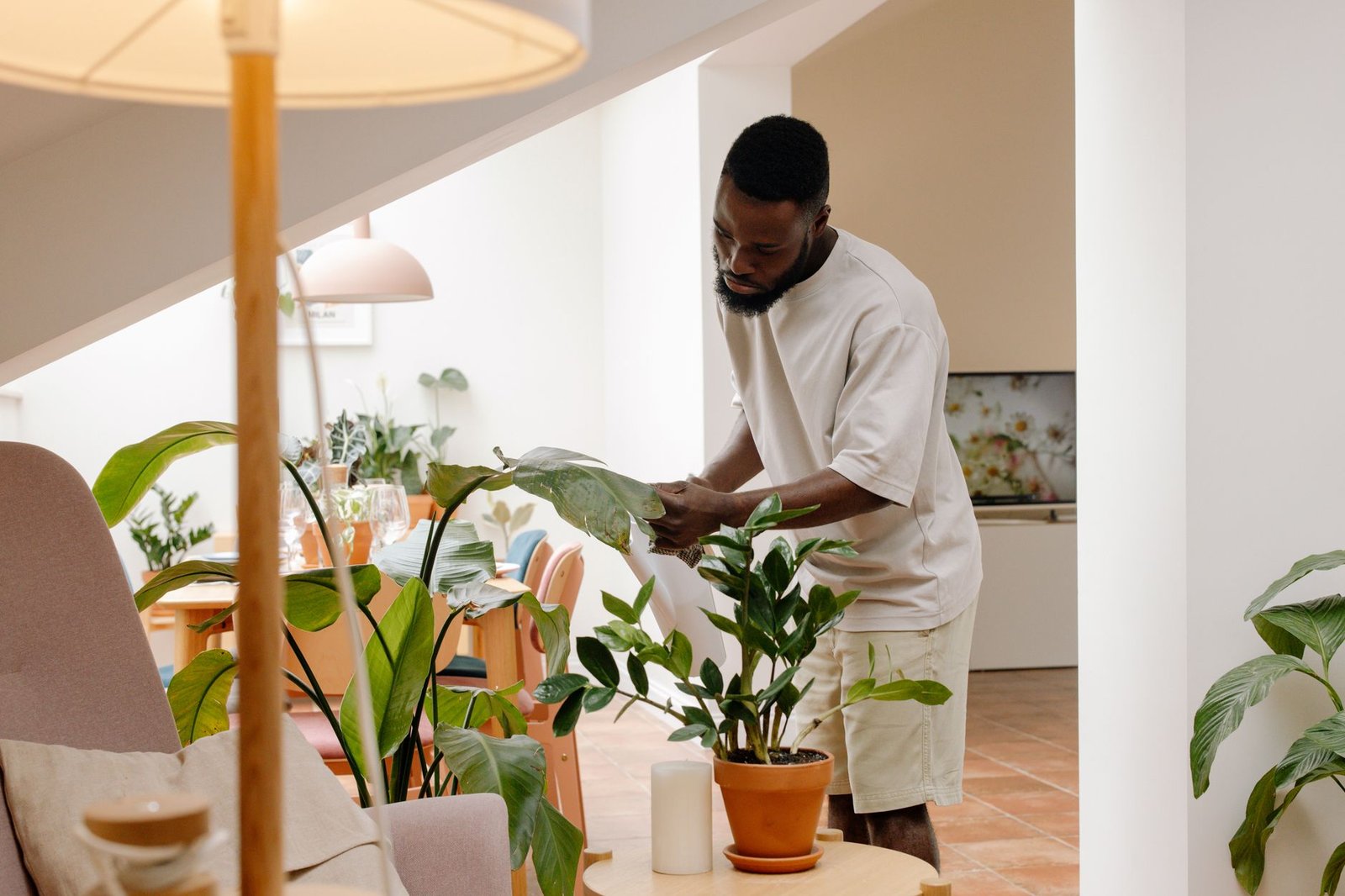
The regular observation of plant growth, the ritual of watering, and the gentle act of pruning encourage individuals to slow down and engage fully with the present moment. This deliberate interaction acts as a form of active meditation, drawing attention away from external distractions and inward towards a simple, life-affirming task. It fosters a connection to natural rhythms and promotes a sense of groundedness. Educational apps in 2026 offer guided plant care routines, often incorporating “plant meditation” prompts, bridging the gap between botanical interaction and digital wellness tools.
7. Boosting Creativity and Problem-Solving Skills
Exposure to natural environments, including well-designed indoor plantscapes, has been consistently shown to spark innovative thinking and enhance problem-solving abilities. The organic forms, diverse textures, and varied colors of plants stimulate the mind in ways that sterile, artificial environments cannot. This unique visual and sensory input encourages divergent thinking and a more fluid approach to challenges. Modular living walls, designed for artistic arrangement and featuring diverse plant palettes, allow residents to express personal creativity through evolving botanical designs, continuously refreshing their immediate surroundings.
Integrating Greenery into the 2026 Home
Smart Plant Ecosystems
The future of home horticulture lies in intelligent integration. Automated irrigation systems, precision LED grow lights tailored to specific plant species, integrated humidity control, and nutrient delivery mechanisms are now common. These systems, often managed via intuitive smartphone applications, ensure plants receive optimal care with minimal resident effort, reducing barriers to successful plant keeping. This technological advancement means that even exotic or demanding species can thrive in diverse indoor environments, extending the mental health benefits to a wider range of botanicals.
Sustainable Sourcing and Materials
In 2026, the emphasis on sustainability extends to every aspect of plant acquisition and care. The market sees a strong preference for ethically sourced plants, guaranteeing fair labor practices and minimal environmental impact. Peat-free potting mixes, often incorporating coco coir, composted bark, and other renewable resources, are becoming standard. Planters are increasingly manufactured from recycled plastics, bio-composites, or locally harvested renewable materials like bamboo and reclaimed wood, aligning botanical decor with broader ecological values and reducing the overall carbon footprint of home greenery.
Personalized Plant Prescriptions
The burgeoning field of ‘plant consulting’ leverages advanced analytics, sometimes incorporating AI, to offer personalized plant recommendations. These experts consider not only the resident’s lifestyle, available light, and environmental conditions but also specific psychological benefits desired. Whether a resident seeks enhanced focus for a home office, stress reduction for a bedroom, or mood elevation for a living area, tailored plant selections ensure maximum impact. This bespoke approach transforms plant integration from a decorative choice into a targeted wellness strategy.
The profound mental health benefits of houseplants in 2026 are undeniable, ranging from tangible stress reduction and cognitive enhancement to deep-seated emotional and psychological fulfillment. As home environments continue to evolve, integrating natural elements through innovative design and smart technology becomes an essential strategy for fostering well-being. By embracing the biophilic imperative and leveraging modern advancements, homeowners can transform their living spaces into sanctuaries that actively support mental resilience and promote a harmonious existence. Cultivating indoor greenery is not merely a trend; it is an investment in a healthier, more balanced future for every resident.