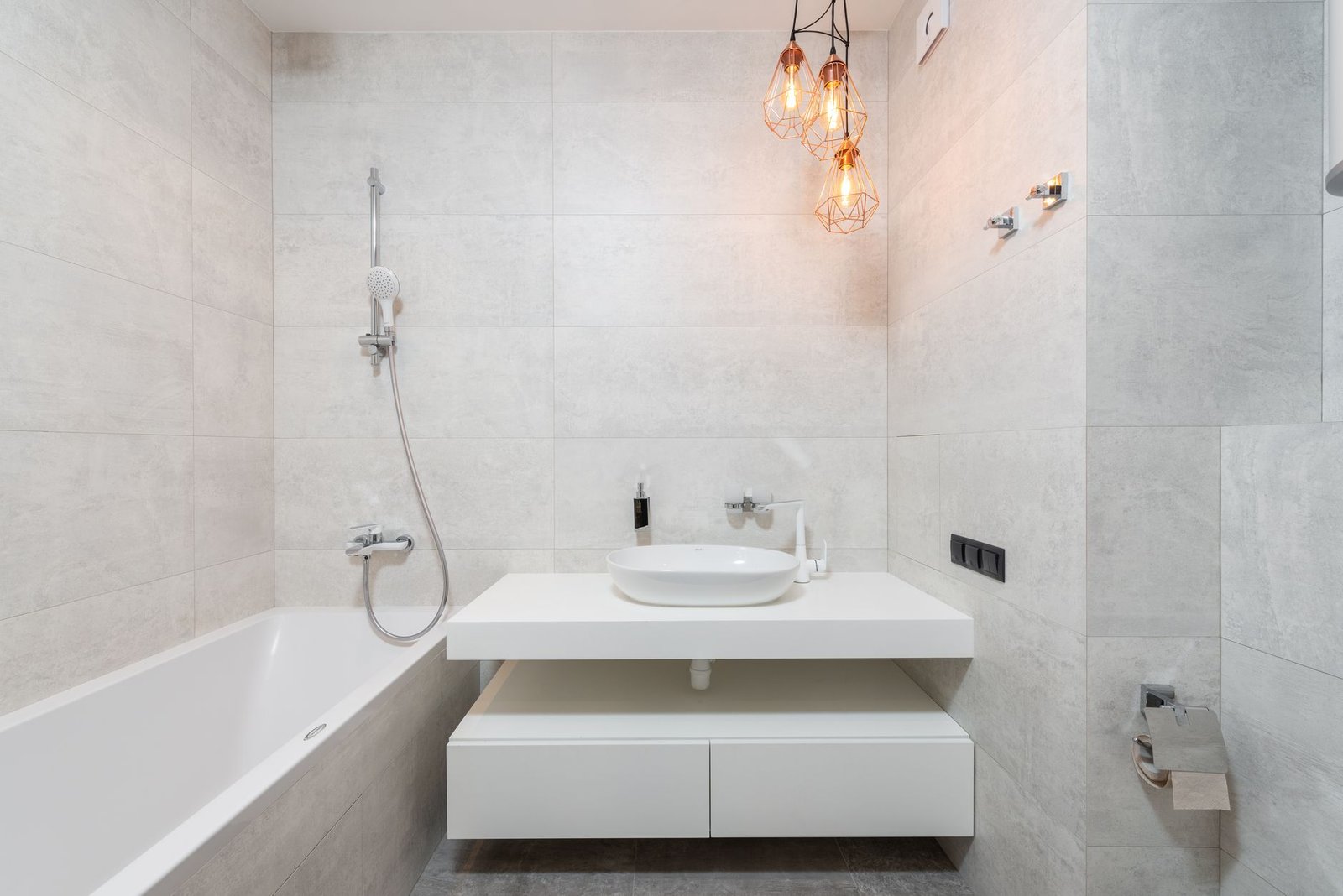
Bathroom vanity clutter is a common challenge for many residents, often transforming a vital storage area into a disheveled collection of toiletries and cleaning supplies. Addressing this disarray can significantly enhance a bathroom’s functionality and aesthetic appeal. This article explores eight practical, space-saving organization hacks designed to bring order to the under-sink area, incorporating modern material developments and industry trends for 2026.
The Modern Bathroom Challenge: Optimizing Essential Spaces
The contemporary bathroom, a sanctuary for personal care and relaxation, often conceals a zone of significant organizational potential: the space beneath the vanity. This area, frequently overlooked, can quickly devolve into a repository of miscellaneous items, hindering efficiency and detracting from the overall domestic comfort. As home design evolves into 2026, the emphasis remains on intelligent storage solutions that blend seamlessly with aesthetic preferences and sustainable practices.
Why Under-Sink Spaces Become Cluttered
The inherent design of most bathroom vanities, particularly those with plumbing obstructions, creates unique storage hurdles. The irregular shape and limited visibility contribute to a ‘dumping ground’ mentality, where items are simply placed rather than systematically stored. Without a strategic approach, this leads to an accumulation of seldom-used products, expired cosmetics, and an array of cleaning agents, making daily routines cumbersome for the homeowner. Understanding these tendencies is the first step toward effective remediation.
8 Smart Under-Sink Organization Hacks for 2026
Transforming the under-sink area from chaotic to coherent requires a blend of innovative products, strategic planning, and a touch of DIY ingenuity. The following solutions leverage current design trends and material advancements to maximize every inch of this often-underutilized space.
1. Tiered Pull-Out Organizers: Accessibility Redefined
- Product Recommendation: Invest in high-quality tiered pull-out drawers or sliding baskets, often constructed from durable, moisture-resistant materials like powder-coated steel or reinforced bioplastics. Brands specializing in kitchen and bath accessories offer configurations designed specifically to navigate plumbing.
- DIY Insight: For a custom fit, a resident can construct simple wooden drawer frames, mounting them on robust full-extension slides. The use of reclaimed wood or FSC-certified timber aligns with 2026 sustainability trends.
2. Clear Acrylic Bins and Dividers: Visual Order
- Product Recommendation: Acrylic or clear PET plastic bins allow for immediate visibility of contents, reducing the need to rummage. Look for modular systems that can be stacked or interlocked. Antimicrobial-treated acrylics are a growing trend, offering enhanced hygiene.
- Benefit: Grouping similar items—skincare, dental care, cleaning supplies—in designated clear containers simplifies retrieval and inventory management for the user.
3. Over-the-Door Caddies and Pocket Organizers: Vertical Advantage
- Product Recommendation: Capitalize on the inside of vanity cabinet doors. Slim, tiered caddies or fabric pocket organizers can hold smaller items like hair ties, nail polishes, or cotton swabs. Options made from recycled ocean plastic are increasingly available.
- DIY Insight: A resident can attach small, lightweight baskets or spice racks directly to the inside of cabinet doors using strong adhesive strips or short screws, ensuring no plumbing interference.
4. Stackable Drawers and Bins: Maximizing Height
- Product Recommendation: Choose stackable drawers or bins that are sturdy enough to support weight without collapsing. Materials such as sustainable bamboo, recycled polypropylene, or lightweight metal mesh offer diverse aesthetic and functional choices.
- Application: These are ideal for storing bulkier items like extra towels, toilet paper rolls, or infrequently used appliances, making efficient use of vertical space.
5. Magnetic Strips for Metal Tools: Clever Adhesion
- Product Recommendation: Install strong magnetic strips on the inside wall or door of the vanity. These are perfect for metal grooming tools, clippers, tweezers, or even small scissors, keeping them easily accessible and off horizontal surfaces.
- Consideration: Ensure the strips are adequately strong and properly secured to prevent items from falling.
6. Under-Sink Shelves (Adjustable & U-Shaped): Navigating Obstructions
- Product Recommendation: Purpose-built under-sink shelving units often feature adjustable heights and U-shaped cutouts to accommodate plumbing pipes. Materials like stainless steel or waterproof composites are preferred for their durability in damp environments.
- DIY Insight: A resident can measure and cut plywood or MDF shelves with a custom U-shaped notch, supported by small brackets or tension rods, creating bespoke storage around existing pipes. Applying a marine-grade sealant is advisable for longevity.
7. Lazy Susans (Turntables): Easy Access to Corners
- Product Recommendation: Turntables or Lazy Susans are excellent for corner storage, allowing full rotation to access all items without reaching into dark recesses. Options crafted from recycled bamboo or frosted glass offer elegance and functionality.
- Ideal Use: These are particularly effective for bottles of cleaning supplies, lotions, or hair products, eliminating the need to move multiple items to reach the desired one.
8. Labeling Systems: The Final Touch of Order
- Product Recommendation: Implement a clear and consistent labeling system for all bins, drawers, and containers. Aesthetic labels, whether chalkboard, adhesive vinyl, or modern laser-etched tags on sustainable materials, elevate the organization.
- Benefit: Proper labeling ensures that every item has a designated home, making it simple for any user to maintain the organized system and quickly locate necessities.
Embracing Long-Term Order and Sustainable Solutions
Effective under-sink organization extends beyond initial setup; it involves adopting practices that ensure sustained order and incorporate eco-conscious choices. The focus for 2026 is not merely on decluttering, but on creating adaptable, durable systems that contribute to a healthier home and planet.
Future-Proofing the Organized Space
Regular decluttering is paramount. A biannual review of items, discarding expired products, and donating unused but still viable toiletries prevents recurrence of clutter. When selecting new organization products, consideration should be given to their material composition, opting for items made from recycled, renewable, or responsibly sourced materials. Longevity and modularity are key; systems that can be reconfigured or expanded as needs change offer superior value and reduce waste. The investment in robust, well-designed solutions, rather than disposable options, aligns with current consumer demand for sustainable home improvements.
Integration with Smart Home Ecosystems
While under-sink organization is primarily manual, its effectiveness contributes to the overall efficiency of a smart home environment. A tidy and accessible bathroom facilitates smoother morning routines, allowing residents to fully leverage smart mirrors or automated lighting without hindrance. The trend towards integrated, mindful living reinforces the value of an organized physical space as a foundation for digital convenience.
Transforming the under-sink vanity from a cluttered cavern to an organized asset significantly enhances the functionality and serenity of the bathroom. By implementing these eight strategic hacks, utilizing modern materials, and embracing sustainable practices, any resident can achieve a bathroom space that is not only visually appealing but also a beacon of domestic efficiency and comfort. An organized under-sink area reflects a commitment to a well-managed and harmonious home.