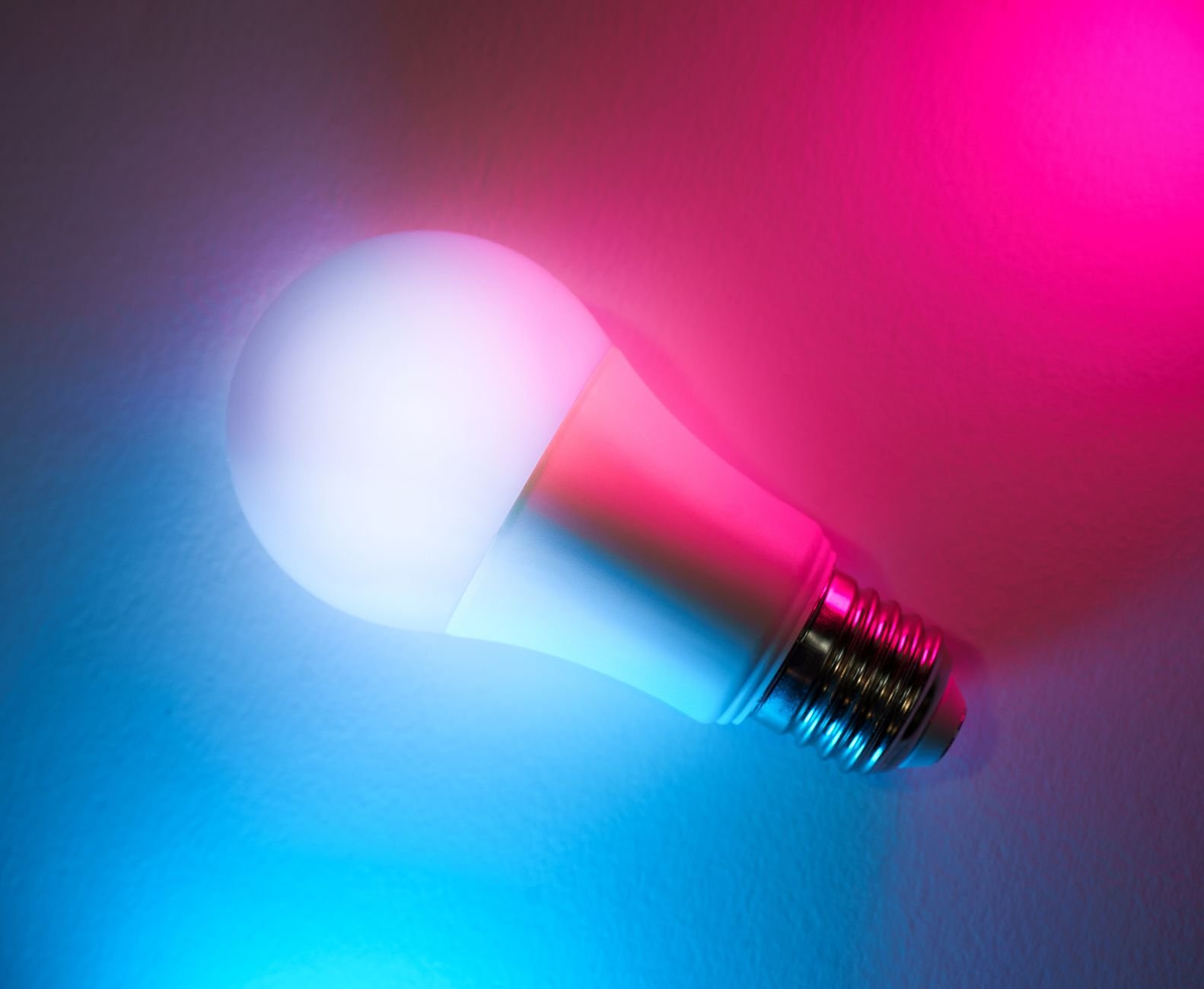
In 2026, the smart lighting landscape offers sophisticated options for homeowners seeking vibrant color and precise control. Determining the “best” smart light bulb for these attributes involves evaluating several key players against evolving industry standards like the Matter protocol and advancements in LED technology. For unparalleled color accuracy and robust control capabilities, Philips Hue and Nanoleaf consistently emerge as leading contenders, each offering distinct advantages depending on the resident’s specific ecosystem preferences and desired level of customization.
The Evolving Landscape of Smart Lighting in 2026
The year 2026 marks a significant period of maturity and innovation within the smart home sector, particularly for lighting. Key technological advancements and industry shifts are redefining what is expected from smart illumination.
Matter Protocol: The Unifying Standard
A pivotal development is the widespread adoption and refinement of the Matter protocol. This universal connectivity standard, operating over Thread and Wi-Fi, dramatically simplifies device interoperability. For smart light bulbs, Matter means seamless integration across previously disparate ecosystems such as Apple Home, Google Home, Amazon Alexa, and Samsung SmartThings. Homeowners no longer face the frustration of incompatible devices, enjoying a truly unified smart home experience with reduced reliance on multiple brand-specific hubs.
AI Integration and Bio-Adaptive Illumination
Artificial intelligence continues to deepen its presence, transforming smart lighting from reactive to predictive. Advanced AI algorithms allow lighting systems to learn the resident’s habits, anticipate needs, and adjust illumination automatically based on time of day, natural light availability, and even biometric data integration (e.g., from wearables for circadian rhythm support). Bio-adaptive lighting, which dynamically shifts color temperature and brightness to mimic natural daylight cycles, is now a standard feature in many premium bulbs, enhancing sleep patterns, mood, and productivity.
Energy Efficiency and Sustainable Materials
Beyond convenience and aesthetics, sustainability is a major trend in 2026. Smart light bulbs are now designed with even greater energy efficiency, boasting lower standby power consumption and extended lifespans. Furthermore, there is a growing industry push towards using recycled and responsibly sourced materials in manufacturing, reducing the environmental footprint of these devices. Consumers are increasingly valuing brands that prioritize eco-conscious production.
Top Contenders for Color and Control in 2026
Several brands stand out in 2026 for their commitment to exceptional color rendition and intuitive control. A closer look at the market leaders reveals their strengths:
Philips Hue
- Color Accuracy: Renowned for its rich, saturated colors and superior white tuning. Philips Hue offers an expansive color palette with high Color Rendering Index (CRI) values, making it ideal for spaces where accurate color representation of decor or artwork is crucial. The consistency across its product range is unmatched.
- Control Options: The Hue ecosystem is incredibly comprehensive. Control is managed via a feature-rich app, robust voice assistant integration (Alexa, Google Assistant, HomeKit), and an extensive suite of physical accessories including dimmer switches, motion sensors, and smart buttons. Its Matter over Thread support ensures future compatibility and responsiveness.
- Compatibility: Excellent across all major smart home platforms, with the Hue Bridge serving as a reliable central hub for large setups.
- User Experience: Considered the benchmark for reliability and premium feel. Setup is straightforward, and the system offers deep customization for scenes and automations.
Nanoleaf
- Color Accuracy: Nanoleaf excels in producing vivid, dynamic colors, particularly with its unique panel and light strip products. While traditional bulb color accuracy is strong, the brand truly shines in creating immersive, art-like lighting experiences with intense saturation and smooth transitions.
- Control Options: The Nanoleaf app is intuitive for creating intricate light scenes and animations. It boasts strong Thread border router capabilities, improving responsiveness for Thread-enabled devices, and offers solid voice control through major assistants. Physical control options are also available.
- Compatibility: A strong player in the Apple Home ecosystem and fully embraces Matter over Thread, making it a highly compatible choice for various smart homes.
- User Experience: Appeals to users seeking creative expression and dynamic lighting. The setup is generally smooth, especially within a Thread network.
LIFX
- Color Accuracy: LIFX bulbs are celebrated for their exceptional brightness and deep, vibrant color saturation, often surpassing competitors in sheer intensity without the need for a dedicated hub.
- Control Options: The LIFX app provides granular control over individual LEDs (in some models) and offers a wide array of effects and themes. Voice assistant integration is robust, and the Wi-Fi direct connection simplifies setup for smaller installations.
- Compatibility: Connects directly to Wi-Fi, supporting major smart home platforms. Matter support is being actively rolled out across its product lines.
- User Experience: Known for powerful performance, though sometimes its Wi-Fi direct connection can be more susceptible to network congestion in very large smart home deployments.
Govee
- Color Accuracy: Govee stands out for its unique RGBIC technology, allowing multiple colors to display on a single strip or bulb segment simultaneously, creating highly intricate and dynamic effects. Color vibrancy is high, though precise CRI for white light can vary across models.
- Control Options: The Govee Home app is a powerhouse for creative lighting effects, offering extensive customization for patterns, music sync, and scenes. Voice assistant integration is reliable, providing good basic control.
- Compatibility: Primarily Wi-Fi and Bluetooth, with increasing Matter support for newer products.
- User Experience: An excellent choice for users prioritizing unique visual effects, entertainment lighting, and budget-friendly entry into advanced color control.
Making the Right Choice: Factors for the Homeowner
Selecting the ideal smart light bulb in 2026 requires considering various factors beyond just color and control to ensure a perfect fit for the individual’s living environment and lifestyle.
Ecosystem Integration and Matter Preparedness
The homeowner’s existing smart home ecosystem (Apple Home, Google Home, Alexa, SmartThings) remains a primary consideration. However, with the widespread adoption of Matter, cross-compatibility is less of a concern. Prioritizing bulbs that are Matter-certified ensures future-proofing and the broadest integration possibilities, simplifying device management significantly.
Color Fidelity Versus Vibrancy
Different bulbs excel in different aspects of color. For spaces where natural, accurate color rendering is paramount—such as illuminating artwork, maintaining true textile colors, or providing optimal task lighting—bulbs with high CRI values and excellent white light tuning (like Philips Hue) are superior. Conversely, if the goal is vibrant, saturated, and dynamic mood lighting or entertainment effects, options like Nanoleaf or Govee might be more appealing due as they offer more visual punch and complex patterns.
Control Preferences and Automation Desires
Consider how the resident prefers to interact with their lighting. Is an app-centric experience preferred, or is seamless voice control through an assistant essential? Many users appreciate the convenience of physical controls like smart switches or Flic buttons for immediate, tactile interaction. For those interested in sophisticated home automations (e.g., lights adjusting with presence detection, sunrise/sunset, or security events), researching the depth of automation capabilities within each brand’s ecosystem is crucial.
Budget and Scalability
Smart light bulbs range in price, from premium options with extensive features to more budget-friendly alternatives. While some bulbs offer a lower entry cost, evaluating the total cost of ownership, including any necessary hubs or accessories, is important. Additionally, considering the ease and cost of expanding the system in the future helps in long-term planning.
Installation and User Experience
The ease of setup and daily reliability greatly impact the user experience. Some bulbs offer direct Wi-Fi connectivity, simplifying installation but potentially increasing network traffic. Others rely on a dedicated hub (like Philips Hue’s Bridge) or a Thread border router, which can enhance stability and responsiveness for larger networks. A robust, intuitive app and responsive devices contribute significantly to satisfaction.
Future Outlook and Integration Trends
The trajectory of smart lighting indicates even deeper integration into the fabric of daily life. Pervasive AI will enable lighting systems to anticipate needs with unprecedented accuracy, moving beyond schedules to truly learning and adapting to occupant behavior and physiological states. Advanced sensor integration—encompassing not just motion but also air quality, sound, and even biometric data—will allow lighting to respond holistically to environmental and personal well-being. Furthermore, as spatial computing and augmented reality technologies mature, lighting may increasingly interact with virtual environments, creating immersive experiences that blur the lines between physical and digital spaces. Sustainable innovation will also continue to drive product development, ensuring that advanced comfort and control are delivered with minimal environmental impact.
Ultimately, the “best” smart light bulb in 2026 is one that perfectly aligns with the homeowner’s specific needs for color expression, preferred control methods, and seamless integration into their intelligent living environment, all while embracing the robust interoperability offered by the Matter standard.