
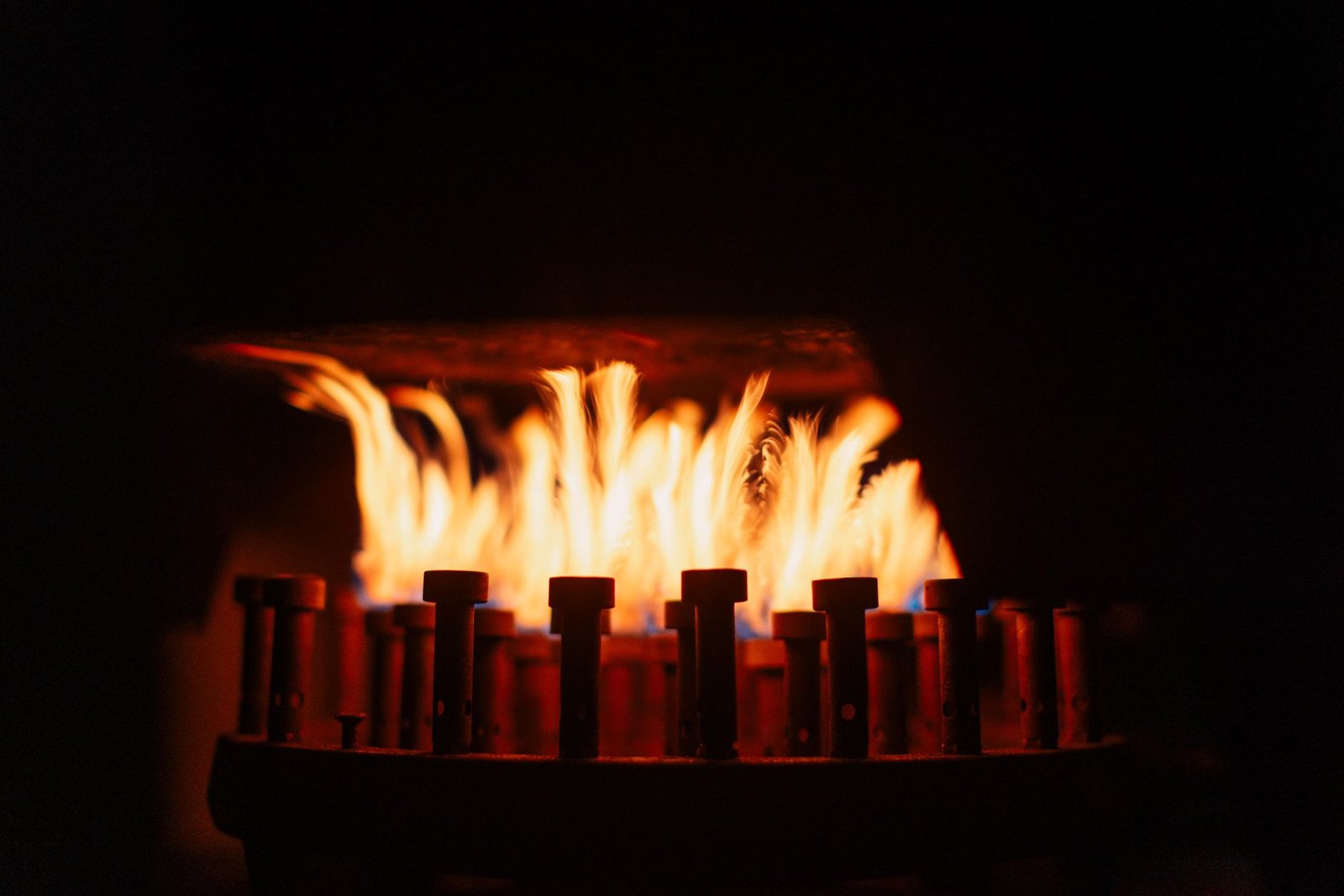
When considering an outdoor fire pit for a modern backyard in 2026, homeowners frequently face the decision between propane and natural gas. Both options offer distinct advantages and disadvantages, making the ‘better’ choice highly dependent on individual priorities regarding installation, operating costs, portability, heat output, and environmental impact. This guide explores these critical factors to assist residents in making an informed decision for their outdoor living space.
Installation & Infrastructure Considerations
The initial setup process presents one of the most significant differentiators between propane and natural gas fire pits. Understanding the infrastructure requirements is paramount for planning and budgeting.
Propane Fire Pit Installation
Propane fire pits offer unparalleled flexibility in terms of installation. They typically require minimal setup, primarily involving connecting the fire pit to a propane tank. This ease of installation makes them a preferred choice for homeowners seeking a quick, DIY-friendly solution without significant structural modifications to the backyard.
- Simplicity: No need for extensive trenching or gas line routing. The unit can be operational shortly after purchase.
- Location Flexibility: The primary limitation is the proximity of the propane tank, which can be concealed within the fire pit’s base or a nearby enclosure.
- 2026 Trends: Modern propane fire pits often feature sleek, integrated designs that seamlessly hide the tank, utilizing advanced quick-connect safety features. Smart gas level monitoring systems are also becoming standard, alerting the user when a refill is needed. New composite tanks are lighter and more aesthetically pleasing.
Natural Gas Fire Pit Installation
Conversely, natural gas fire pits demand a more involved, permanent installation process. They require a dedicated gas line to be extended from the home’s main supply to the fire pit’s desired location. This typically necessitates professional installation, including trenching, plumbing, and adherence to local building codes and permits.
- Complexity: Requires professional expertise for gas line installation, ensuring safety and compliance. Upfront costs are generally higher due to labor and materials.
- Permanence: Once installed, the fire pit is fixed in place, integrating it permanently into the landscape design.
- 2026 Trends: Advancements in trenchless technology are making gas line installation less disruptive and more efficient. Integrated smart home systems can now include remote gas shut-off capabilities, enhancing safety and control. Durable, non-corrosive composite piping is increasingly used for its longevity and resistance to environmental factors.
Operational Expenses & Efficiency
Beyond the initial setup, the ongoing cost of fueling a fire pit is a critical consideration for long-term enjoyment.
Propane Fire Pit Operating Costs
Propane typically carries a higher per-BTU cost compared to natural gas. The need for tank refills or exchanges also adds a layer of recurring logistical effort and expense. The frequency of refills depends on the fire pit’s BTU rating and usage duration.
- Fuel Cost: Generally more expensive per unit of energy. Prices can fluctuate based on market conditions.
- Convenience Cost: The time and effort involved in transporting tanks for refilling or exchange contribute to the overall operational burden.
- 2026 Trends: Increased availability of bulk propane delivery services for larger residential tanks can offer cost savings and convenience. Smart consumption tracking via IoT devices provides real-time data, helping residents manage their fuel use more effectively.
Natural Gas Fire Pit Operating Costs
Natural gas is usually a more economical fuel source, offering lower per-BTU costs. The continuous supply through the home’s utility line eliminates the need for tank management, contributing to a more seamless and often cheaper operational experience.
- Fuel Cost: Typically less expensive per unit of energy, leading to lower long-term operating costs.
- Convenience: A continuous, uninterrupted fuel supply means no need to monitor tank levels or arrange refills.
- 2026 Trends: Utility companies are increasingly offering incentives for natural gas appliance upgrades, potentially offsetting some installation costs. Smart meters provide detailed consumption data, allowing for optimized usage. The blending of Renewable Natural Gas (RNG) into the supply chain is also starting to impact pricing models and availability.
Mobility, Design, and Heat Performance
The ability to move a fire pit, its aesthetic integration, and its capacity to generate warmth are key factors in selecting the ideal unit.
Portability and Design Integration
- Propane Fire Pits: These units excel in portability. Smaller models can be easily relocated for different gatherings or seasonal storage. Even larger models, with concealed tanks, offer flexibility in backyard layout. The user has the freedom to redefine their outdoor social space as needs evolve.
- Natural Gas Fire Pits: Due to their fixed gas line connection, natural gas fire pits are permanent fixtures. This permanence allows for deep integration into landscape design, creating seamless and sophisticated outdoor living spaces without the visual clutter of tanks. Custom-built fire pit surrounds, often crafted from advanced weather-resistant composites such as glass-fiber reinforced concrete or ultracompact surfaces, are highly popular in 2026 for their durability and aesthetic appeal.
Heat Output Capabilities
Both propane and natural gas fire pits are capable of producing substantial heat, making them effective for extending outdoor enjoyment into cooler evenings. The actual heat output, measured in BTUs (British Thermal Units), is primarily determined by the burner’s design and size, not inherently by the fuel type itself.
- High BTU Potential: Large natural gas fire pits can often achieve higher BTU ratings due to an unrestricted fuel supply, making them ideal for expansive outdoor areas requiring significant warmth.
- Consistent Performance: Natural gas provides a consistent flame and heat output without the performance dips that can occur as a propane tank nears empty.
- 2026 Trends: Advanced burner technology in both fuel types focuses on maximizing radiant heat efficiency and flame aesthetics. Some high-end units feature directional heat output, allowing residents to focus warmth where it is most needed. Smart controls for precise temperature management are also becoming more common, optimizing fuel consumption for desired warmth.
Environmental Footprint & Future Trends
As environmental consciousness grows, the ecological impact of outdoor amenities is becoming a significant decision-making factor for homeowners in 2026.
Environmental Impact Comparison
- Propane: While cleaner burning than wood, propane’s extraction and transportation processes contribute to its overall carbon footprint. It emits fewer greenhouse gases than wood or coal. The industry is seeing a gradual increase in the availability of bio-propane (renewable propane) derived from renewable feedstocks, which offers a lower carbon footprint, though it remains a niche market.
- Natural Gas: Also cleaner burning than wood, natural gas combustion still releases carbon dioxide. Concerns regarding methane leakage from infrastructure (fugitive emissions) are a significant aspect of its environmental profile. However, a major trend in 2026 is the increasing availability and integration of Renewable Natural Gas (RNG). RNG is derived from organic waste materials like landfills or agricultural operations, effectively capturing methane that would otherwise be released into the atmosphere and then processing it into pipeline-quality natural gas. This significantly lowers the carbon intensity of natural gas, with utilities actively blending RNG into their supply.
2026 Industry Trends for Sustainability
The fire pit industry is evolving with sustainability in mind:
- Smart Controls: Both propane and natural gas fire pits are incorporating smart technology to optimize fuel consumption, allowing for precise control over flame size and duration, thus reducing waste.
- Sustainable Materials: Manufacturers are increasingly using recycled content for fire media, such as recycled glass, and sustainable concrete blends for fire pit construction. Emphasis is also placed on local sourcing of materials to reduce transportation emissions.
- Reduced Emissions: Ongoing innovations aim to reduce fugitive emissions in natural gas distribution networks.
Conclusion: Making the Informed Choice for 2026
The decision between a propane and natural gas fire pit in 2026 ultimately hinges on a homeowner’s specific needs and priorities. For those prioritizing portability, minimal upfront installation hassle, and flexibility in backyard arrangement, a propane fire pit is the superior choice. Its quick setup and independence from fixed gas lines offer immediate gratification.
Conversely, residents seeking a permanent, seamlessly integrated, and cost-effective long-term solution with the convenience of an unending fuel supply will find natural gas fire pits more appealing. While demanding a higher initial investment for installation, the lower operating costs and absence of tank management often justify the expense over time.
Considering the evolving landscape of sustainable fuel options and smart home integration in 2026, both propane (with bio-propane developments) and natural gas (with RNG integration) are moving towards reduced environmental impacts. Homeowners are advised to consult with certified professionals for gas line installation to ensure safety and compliance, regardless of the chosen fuel source. Careful consideration of these factors will lead to the ideal fire pit solution for any modern backyard.