
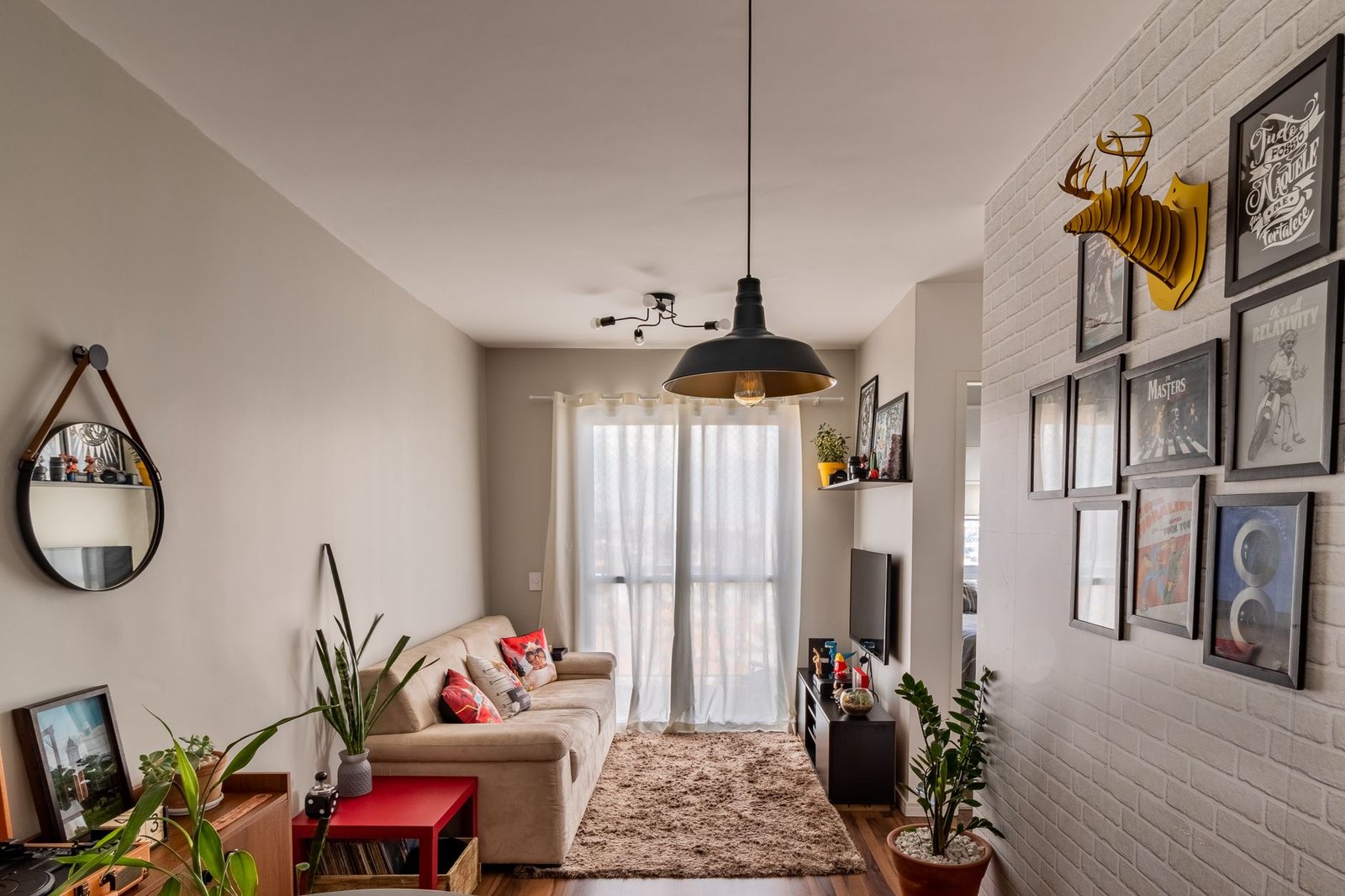
For residents navigating the complexities of small space design in 2026, the choice between an accent wall and a gallery wall presents a significant aesthetic dilemma. Both design strategies offer unique advantages for injecting personality and visual interest; however, for maximizing perceived space and enhancing overall domestic comfort, the gallery wall often proves more versatile and impactful within confined areas, particularly with evolving material trends and design philosophies. While accent walls can create a strong focal point, their inherent visual weight sometimes challenges the goal of openness in smaller interiors, whereas a thoughtfully curated gallery wall adds depth and narrative without overwhelming the surroundings.
The Evolving Role of Accent Walls in Small Interiors (2026)
An accent wall, traditionally a single wall painted or covered in a distinct material to draw attention, continues to be a popular design element. In small spaces, its primary function is to create a focal point, guide the eye, and potentially enhance spatial perception. The effectiveness of an accent wall in a compact room hinges entirely on material selection, color palette, and strategic placement.
2026 Material and Trend Innovations
- Sustainable Textural Panels: Modern accent walls are moving beyond simple paint. 2026 sees a surge in eco-friendly textured panels made from recycled wood fibers, cork, or plant-based composites. These offer subtle depth and a tactile experience without the visual “heaviness” of traditional wallpapers. Neutral, biophilic tones are favored, bringing an organic feel.
- Dynamic Digital Murals: Advances in high-definition digital printing allow for custom, immersive murals on durable, washable materials. For small spaces, abstract patterns with vertical emphasis or subtle landscapes that create an illusion of distance can effectively expand a room visually without dominating it.
- Smart Paint Technologies: Beyond color, 2026 offers paints with integrated smart features, such as subtle light-reflecting particles that brighten a room or even temperature-regulating properties, adding functional value to the aesthetic.
- Strategic Placement: In small rooms, the resident often selects the shortest wall for an accent, or a wall with a prominent architectural feature like a fireplace, to avoid visually shortening the longer dimensions. Emphasis on vertical stripes or patterns is a prevalent strategy to heighten ceilings.
Considerations for Small Spaces
Despite these innovations, accent walls in small rooms require careful consideration. An overly bold color or busy pattern can make a compact space feel smaller and more enclosed. The commitment to a single, dominant visual element can also be a drawback for residents who prefer frequent aesthetic refreshes. The installation of certain textured panels might also add physical depth, which is a premium in tight quarters.
The Dynamic Appeal of Gallery Walls in 2026
A gallery wall, a collection of framed art, photographs, or other decorative objects arranged on a wall, offers unparalleled versatility for small spaces. Its inherent adaptability allows for continuous evolution and deep personalization, making it a compelling choice for the contemporary homeowner.
Modern Gallery Wall Approaches (2026)
- Curated Narratives: The trend for 2026 emphasizes storytelling. Rather than a random assortment, gallery walls are becoming highly curated, reflecting a specific theme, color palette, or life journey of the resident. This thoughtful arrangement transforms a collection into a cohesive display.
- Mixed Media Integration: Beyond traditional framed prints, modern gallery walls incorporate varied textures and dimensions. This includes small sculptural elements, woven tapestries, digital display frames showcasing rotating art, and even subtle embedded lighting to highlight specific pieces.
- Sustainable and Minimalist Framing: Frame choices lean towards sustainable materials such as recycled wood, bamboo, or slim metal profiles. The emphasis is on the art itself, with frames serving as understated complements rather than ornate distractions. Invisible mounting systems further enhance this sleek aesthetic.
- Vertical Expansion: By extending a gallery wall upwards, even to the ceiling line, the eye is drawn vertically, creating an illusion of greater room height. This technique is particularly effective in spaces with lower ceilings, subtly defying spatial limitations.
- Digital Art and Displays: With advancements in high-resolution, low-power digital screens designed specifically for art display, homeowners can feature a rotating collection of digital art, instantly changing the mood or theme of their gallery wall without physically altering frames.
Advantages for Compact Interiors
The primary benefit of a gallery wall in a small space is its ability to introduce significant visual interest and personality without consuming floor space or creating an overwhelming block of color. It encourages the eye to explore, adding depth and dimension. Furthermore, the modular nature allows for easy updates and additions, providing a dynamic aesthetic that can evolve with the resident’s tastes, an ideal solution for those who appreciate design flexibility.
Potential Drawbacks
While highly beneficial, an improperly executed gallery wall can appear cluttered or disorganized. Careful planning of layout, spacing, and cohesion is critical. Overly large frames or too many disparate elements can negate the intended effect of spaciousness and instead contribute to visual noise.
Accent Wall vs. Gallery Wall: A Direct Comparison for Small Spaces
When weighing these two design approaches for a confined area, several factors become paramount for the resident.
- Visual Impact & Perceived Space: An accent wall creates a singular, bold statement, which can sometimes “push” a wall visually forward, potentially making a small room feel narrower. Conversely, a well-arranged gallery wall, especially one employing varied depths and vertical lines, can draw the eye around the room, adding layers of interest that contribute to a sense of expanded visual space. The fragmented nature of a gallery wall often feels less imposing than a monolithic accent.
- Flexibility & Personalization: Gallery walls inherently offer greater flexibility. Individual pieces can be swapped, added, or rearranged with ease, allowing for evolving personal expression. An accent wall, especially one involving paint or permanent panels, represents a more significant design commitment that is less readily altered.
- Cost Efficiency: The initial investment for a high-quality accent wall, particularly with advanced materials like smart paint or custom digital murals, can be substantial. A gallery wall, while potentially accumulating costs over time with art acquisitions, can be built gradually, utilizing existing items and affordable prints, making it a budget-friendlier option for many residents.
- Maintenance & Durability: Modern accent wall materials are often designed for durability and ease of cleaning. Gallery walls require periodic dusting and careful handling of individual pieces. However, the modularity means damage to one piece does not compromise the entire display, unlike a large accent wall treatment.
Making the Optimal Choice: A Resident’s Guide for 2026
The decision between an accent wall and a gallery wall ultimately depends on the homeowner’s specific goals for their small space and personal aesthetic preferences.
If the objective is to create a singular, dramatic focal point with minimal visual elements, and the resident is confident in a long-term commitment to a particular color or texture, a strategically implemented accent wall utilizing 2026’s subtle, textural, and eco-conscious materials can be effective. This approach works best in minimalist interiors where other decor is understated.
However, for residents seeking to infuse their small space with personality, history, and a dynamic visual narrative without overwhelming the physical dimensions, the gallery wall stands out as the superior choice in 2026. Its capacity for personalization, layered visual depth, and adaptable nature aligns perfectly with the contemporary desire for fluid, expressive, and space-optimizing design solutions. By focusing on vertical layouts, varying textures, and incorporating modern digital elements, a gallery wall can transform a compact area into an engaging, spacious-feeling haven.
Ultimately, a successful small space design prioritizes thoughtful consideration of scale, proportion, and visual flow. Both accent walls and gallery walls offer powerful tools, but the nuanced requirements of smaller interiors often benefit more from the curated complexity and adaptability of a well-executed gallery wall.