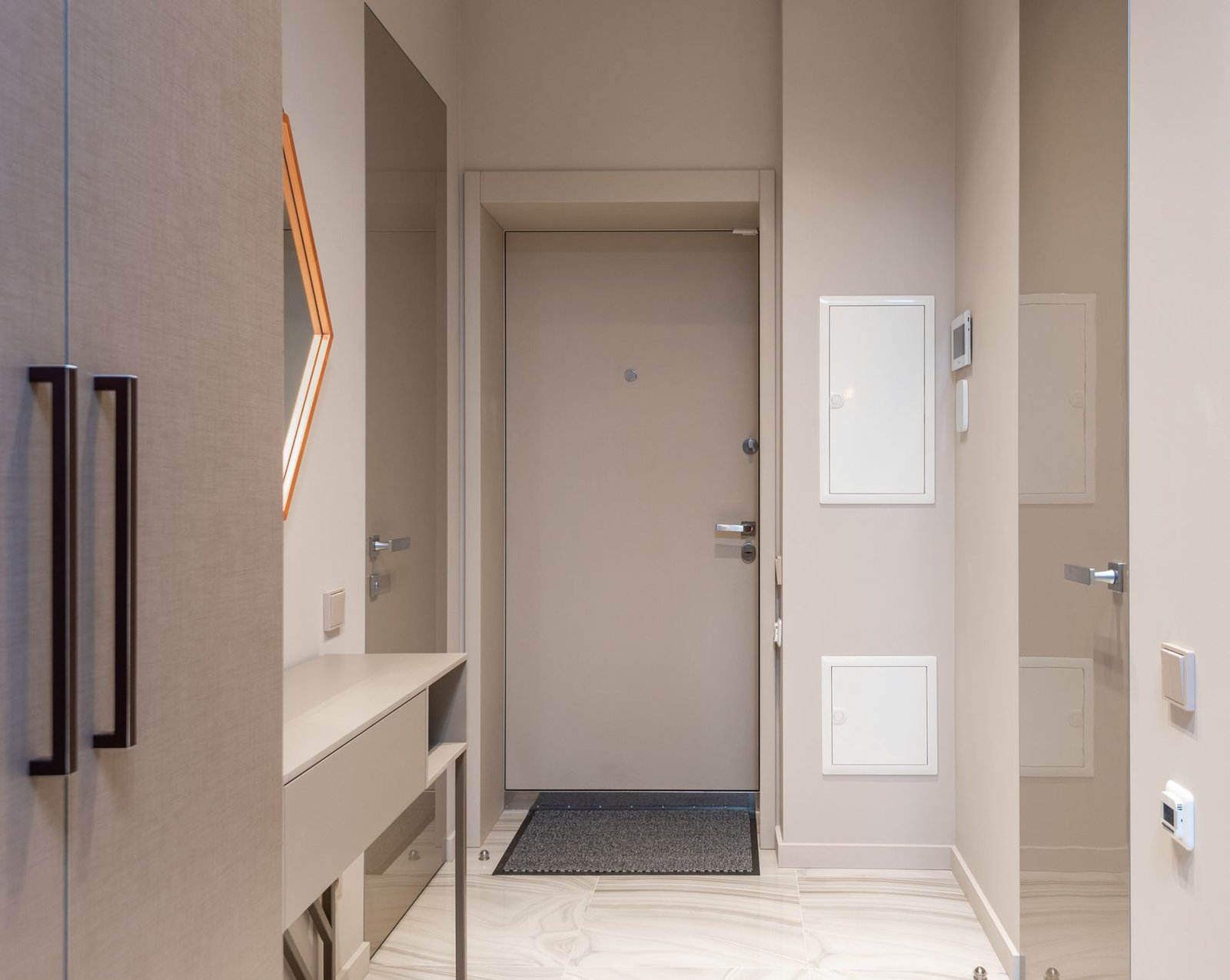
Dark and narrow hallways often present a significant design challenge, leading to cramped, uninviting transitional spaces within a home. Addressing a dark hallway’s need for light involves a strategic combination of design elements that can dramatically transform these areas into bright, welcoming passages. Fortunately, effective design solutions, including thoughtful paint choices, innovative lighting, and intelligent mirror placement, can make even the most constricted hallways feel expansive and luminous, a crucial consideration for homeowners seeking to enhance domestic comfort and aesthetic appeal in 2026.
The Psychology of Light and Space in Hallways
The impact of a home’s entryway and connecting corridors on the resident’s mood and perception of space cannot be overstated. A dark, confined hallway can evoke feelings of enclosure and diminish the overall sense of spaciousness within a property. Conversely, a well-lit and visually open corridor acts as a vital transition zone, setting a positive tone and seamlessly guiding movement through the dwelling. Understanding this psychological aspect is the first step toward creating an environment that feels both expansive and inviting.
Trick 1: Mastering Reflective Surfaces and Illumination
One of the most effective strategies for brightening a dark, narrow hallway involves maximizing light reflection through strategic surface choices and sophisticated lighting design.
Strategic Mirror Placement
Mirrors are invaluable tools for amplifying light and creating an illusion of depth. Placing a large, unframed mirror on a dominant wall can instantly double the perceived light and space. For 2026, trends favor minimalist designs, with organic shapes and integrated subtle backlighting becoming popular. A gallery wall incorporating several smaller mirrors or mirrored panels can also disperse light effectively. Smart mirrors, offering features like tunable lighting or digital displays, are also emerging as sophisticated additions, enhancing both function and aesthetics.
Layered Lighting Design
Reliance on a single overhead fixture is insufficient for a dark hallway. A layered lighting approach, combining ambient, accent, and even a touch of task lighting, is paramount. Ambient lighting can be achieved through recessed LED fixtures, sleek flush mounts, or modern linear LED strips installed as cove lighting along the ceiling or baseboards, a particularly impactful trend for 2026 that washes walls with soft, indirect light. Accent lighting, such as wall sconces positioned to cast light upwards and downwards, highlights architectural features or artwork while preventing shadows. For minimalist aesthetics, integrated lighting within shelving units or kick plates also adds depth and functionality. Modern fixtures often incorporate sustainable materials like recycled glass or bio-plastics, aligning with contemporary environmental considerations.
Trick 2: The Power of Pale Hues and Finishes
The color palette chosen for walls, ceilings, and floors significantly influences how light interacts with the space.
Optimal Paint Colors
Light colors inherently reflect more light than dark ones. Opting for warm whites, creamy off-whites, soft grays, or very pale pastels such as barely-there blues or greens can dramatically lighten a hallway. For 2026, biophilic color palettes are trending, suggesting the incorporation of subtle, natural earth tones as accents within an overwhelmingly light base. A matte or eggshell finish on walls is preferred for its ability to diffuse light gently, avoiding harsh glare while still maximizing reflectivity. A slightly lighter shade on the ceiling than the walls can also create an impression of increased height.
Flooring and Wall Treatments
Just as with wall paint, light-colored flooring contributes significantly to brightening a hallway. Materials like polished concrete, light-toned hardwood, or luxury vinyl plank (LVP) in pale wood or stone finishes are excellent choices for their reflective properties and durability. For a touch of texture without sacrificing brightness, consider subtle wall treatments such as anaglypta wallpaper painted a light hue, or plaster finishes with a very fine texture. Modern material developments for 2026 highlight sustainable, low-VOC (Volatile Organic Compound) options, ensuring aesthetic appeal without compromising indoor air quality.
Trick 3: Intelligent Furniture and Decor Choices
Thoughtful selection of furnishings and decorative elements can enhance the perception of space and light without cluttering a narrow hallway.
Streamlined Furnishings
If space allows for furniture, choose pieces that are narrow and visually light. Console tables with glass or acrylic tops, or those featuring open designs, prevent the space from feeling blocked. Floating benches or minimalist, leggy designs can offer a functional seating option without consuming significant visual volume. The key is to avoid bulky items that absorb light and make the corridor feel even more confined.
Art and Decor
When selecting art, opt for pieces with light frames or frameless options. Reflective elements within the artwork itself, such as metallic accents or glossy finishes, can also help. Floating shelves provide display opportunities without heavy visual weight. Incorporating greenery, particularly small, upright plants in light-colored planters, introduces a biophilic element that connects the interior with nature, a prevailing trend in 2026 design.
Trick 4: Harnessing Natural Light Sources
Maximizing any available natural light is a fundamental strategy for a brighter hallway.
Door and Opening Modifications
Where feasible, consider replacing solid interior doors leading into the hallway with those featuring glass panels (frosted or clear). Installing transoms above doorways or sidelights alongside them can also draw more daylight into the corridor from adjacent rooms. Structural modifications to widen existing doorways, though more involved, can dramatically open up a space and allow light to penetrate deeper.
Strategic Window Treatments
If the hallway has windows, the choice of treatment is critical. Heavy, dark drapes should be avoided. Instead, opt for sheer blinds, light-filtering cellular shades, or lightweight, translucent curtains that maximize light transmission while offering a degree of privacy. Modern solutions for 2026 include smart glass technology or adjustable privacy films that allow dynamic control over light and visibility.
Trick 5: Architectural Illusions for Expansion
Employing architectural details and clever visual tricks can create an illusion of greater height and width, making a narrow hallway feel more expansive.
Vertical Stripes and Lines
The judicious use of vertical elements can draw the eye upward, making the ceiling appear higher. This can be achieved through wallpaper with subtle vertical patterns, or even carefully installed wall paneling that emphasizes vertical lines. These visual cues subtly trick the eye into perceiving more height, counteracting the feeling of a low or oppressive ceiling.
Creating Focal Points
Directing visual attention can be a powerful tool. Placing a well-lit piece of art, a striking sculptural element, or a decorative console at the end of a long hallway provides a focal point that draws the eye forward, making the space feel less endless and more purposeful. A vibrant, light-colored runner rug can also serve to anchor the space and introduce a welcoming splash of color, breaking up the monotony of a long, narrow path. Emerging trends for 2026 even include digital art displays at hallway terminals, offering dynamic, changeable scenes that can mimic windows or artistic vistas, further enhancing the sense of openness.
Transforming a dark and narrow hallway is an achievable goal for any homeowner. By implementing these five design tricks – focusing on reflective surfaces, optimal color palettes, intelligent furnishings, natural light maximization, and architectural illusions – these often-overlooked transitional spaces can evolve into bright, inviting, and functionally elegant corridors that significantly enhance the overall appeal and comfort of a dwelling in 2026 and beyond.