
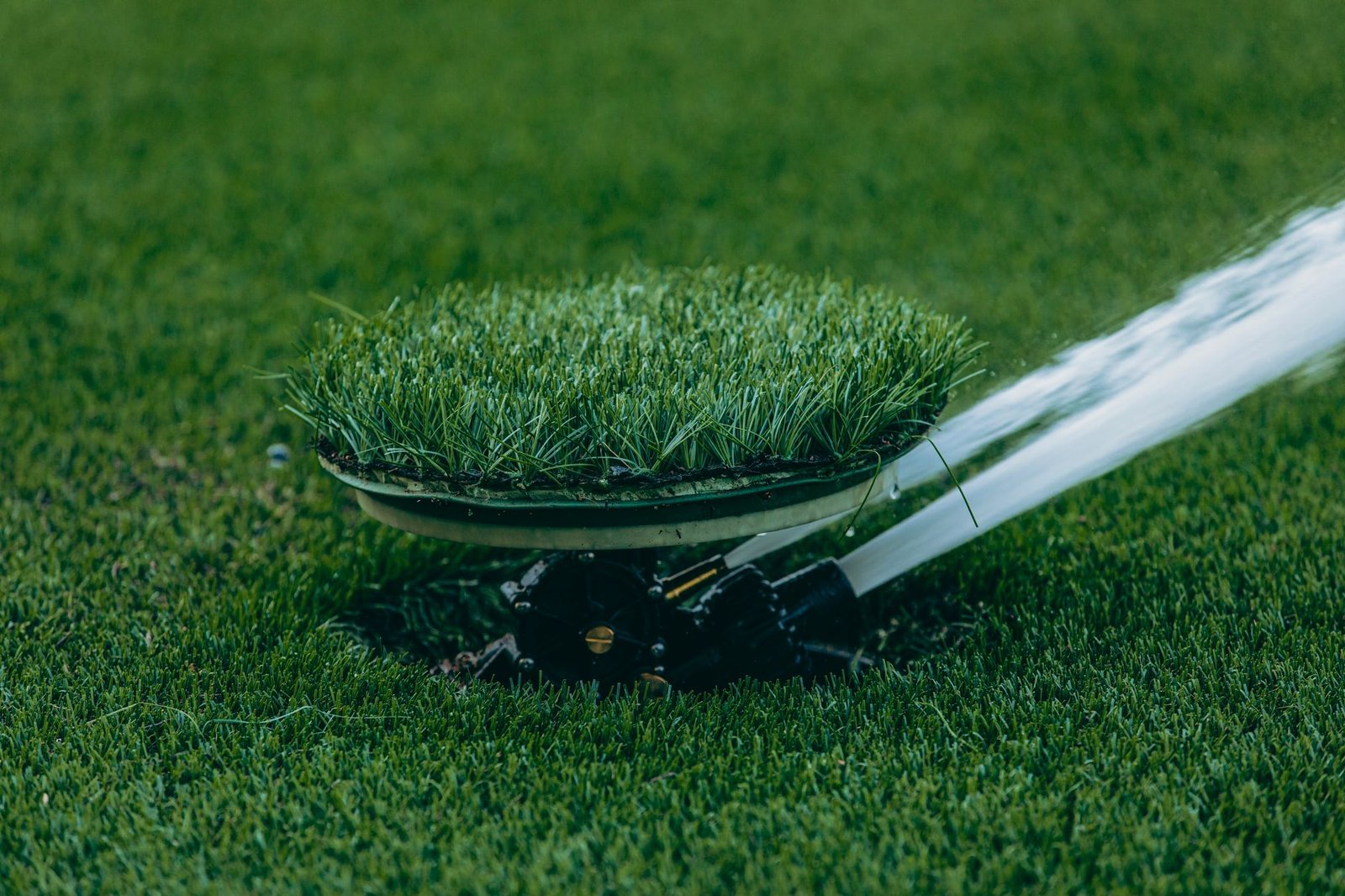
As climate patterns continue to shift and water conservation becomes an imperative for properties across various regions, identifying the most effective low-water grass seed varieties is crucial for maintaining resilient and aesthetically pleasing lawns. For 2026, the best low-water grass seeds for drought-prone lawns often encompass advanced cultivars of Tall Fescue, Bermudagrass, Zoysiagrass, and specialized Fine Fescue blends, often enhanced with modern seed technologies to maximize water efficiency and drought survival. These selections represent the forefront of sustainable lawn care, enabling homeowners to significantly reduce water consumption while preserving lush green spaces.
Understanding the Drought Challenge and Sustainable Lawns in 2026
The increasing frequency and intensity of drought conditions are driving a fundamental shift in landscape design and maintenance. Traditional, high-water-demand turfgrasses are becoming unsustainable, prompting a widespread move towards xeriscaping and drought-tolerant lawn solutions. In 2026, the emphasis is not merely on survival but on thriving with minimal water input, supported by both species selection and innovative horticultural practices.
Water restrictions are now commonplace in many municipalities, making the choice of grass seed a primary factor in a lawn’s long-term viability. A resilient lawn contributes to property value, environmental stewardship, and a comfortable outdoor living experience, even in challenging climates. Modern advancements in seed breeding and soil science offer unprecedented opportunities for creating truly water-efficient landscapes.
Top Low-Water Grass Seed Varieties for 2026
Selecting the appropriate grass seed hinges on regional climate, soil type, and the desired aesthetic. The following varieties are leading the charge for drought tolerance in 2026, often featuring enhanced genetics for superior performance.
Tall Fescue: The All-Rounder
Tall Fescue remains a cornerstone for drought-tolerant lawns in cool-season and transition zones. Its deep root system, capable of reaching moisture far below the surface, is its primary asset in drought conditions. Modern cultivars introduced in recent years and further refined for 2026 boast improved heat tolerance, finer texture, and enhanced disease resistance, making them more appealing than their predecessors. When selecting Tall Fescue, seeking varieties specifically labeled for improved drought resistance and darker green color can yield superior results.
- Pros: Excellent drought tolerance, good wear resistance, maintains green color in moderate heat, adapts to various soil types.
- Cons: Can go dormant in extreme heat, may require overseeding in heavily trafficked areas over time.
Bermudagrass: Warm-Season Champion
For warm-season climates, Bermudagrass stands out as an exceptionally tough, drought-resistant option. It thrives in full sun and high temperatures, entering dormancy only during prolonged dry spells or cold weather, from which it quickly recovers. New hybrid Bermudagrass varieties for 2026 offer finer blade textures, better shade tolerance (though still preferring sun), and even more efficient water use, pushing its sustainability credentials further. Its aggressive growth habit helps it recover quickly from stress.
- Pros: Superior heat and drought tolerance, rapid recovery from stress, excellent wear resistance.
- Cons: Requires full sun, enters dormancy in cooler temperatures, can be aggressive and invasive in garden beds.
Zoysiagrass: The Slow and Steady Winner
Zoysiagrass, suitable for warm-season and transition zones, is celebrated for its remarkable drought tolerance and low maintenance requirements once established. While it is slower to establish than other grasses, its dense growth habit creates a thick, carpet-like lawn that naturally suppresses weeds and conserves moisture. 2026 sees continued development in Zoysia cultivars, focusing on faster establishment and improved cold tolerance, broadening its appeal. Its ability to maintain a good appearance with less water and fertilization makes it a preferred choice for sustainable landscaping.
- Pros: Exceptional drought tolerance, dense growth, low mowing frequency, good weed suppression.
- Cons: Slow establishment, goes dormant in winter, can feel stiff underfoot.
Fine Fescues: Shade and Low-Input Specialists
Comprising varieties like Creeping Red Fescue, Chewings Fescue, Hard Fescue, and Sheep Fescue, Fine Fescues are ideal for low-traffic areas, shady spots, and lawns where a naturalized look is desired. These grasses are inherently drought tolerant due to their fine blades and ability to survive on minimal moisture. Many modern blends for 2026 combine different Fine Fescues to achieve a robust, low-input lawn that requires infrequent mowing and very little water once established. They excel in cooler climates and are perfect for slopes or areas where irrigation is impractical.
- Pros: Excellent shade tolerance, very low water requirements, low fertility needs, fine texture.
- Cons: Less tolerant of heavy traffic, can be slow to establish, may not offer a uniform deep green.
Native Grasses and Innovative Blends
The trend towards ecological landscaping highlights the utility of native grass species. Varieties like Buffalograss (for warm climates) and various prairie grasses offer unparalleled drought tolerance as they are inherently adapted to local conditions. For 2026, seed producers are increasingly offering specialized blends that combine the best attributes of several drought-tolerant species, often including native components, to create robust, region-specific solutions. These blends can optimize performance across varying microclimates within a property and offer enhanced biodiversity.
Emerging Technologies and Future-Proofing Lawns
The landscape of low-water lawn care is continually evolving, with 2026 seeing the maturation of several key technologies.
Seed Coatings and Genetic Advancements
Modern grass seeds often come with advanced coatings designed to boost establishment and drought resistance. These coatings can include:
- Hydrogel polymers: These absorb and slowly release water to the germinating seed and young seedling, providing a critical buffer during dry spells.
- Mycorrhizal fungi: Applied as a seed treatment, these fungi form a symbiotic relationship with grass roots, enhancing nutrient and water uptake from the soil.
- Nutrient packages: Micro-nutrients embedded in the coating give seedlings a strong start, promoting healthier, deeper root growth.
Furthermore, selective breeding and genetic research continue to produce new cultivars with inherently superior drought tolerance, deeper root systems, and improved nutrient use efficiency, making each generation of seed more resilient.
Smart Irrigation Integration
Complementing the choice of drought-tolerant grass is the intelligent management of water. Smart irrigation systems, which utilize weather data, soil moisture sensors, and plant-specific requirements, are indispensable for truly sustainable lawns in 2026. These systems can precisely deliver water only when and where it is needed, preventing waste and ensuring the long-term health of low-water turfgrasses.
Cultivating a Resilient, Low-Water Lawn: Best Practices
Beyond selecting the right seed, proper cultural practices are essential for a lawn to withstand drought.
Soil Preparation is Key
Healthy soil is the foundation of a drought-tolerant lawn. Prior to seeding, enriching the soil with organic matter such as compost improves its water-holding capacity and encourages deeper root growth. Aeration can also alleviate compaction, allowing water and nutrients to penetrate more effectively. A soil test will inform necessary amendments for optimal pH and nutrient balance.
Proper Mowing and Fertilization
Mowing at a higher height (typically 3-4 inches) encourages deeper root growth and provides shade to the soil, reducing evaporation. This is a critical practice for water conservation. Fertilization should be done judiciously, as excessive nitrogen can promote lush top growth at the expense of root development, making the grass more susceptible to drought stress. Slow-release fertilizers or organic amendments are generally preferred.
Watering Strategies for Drought
Even drought-tolerant grasses benefit from strategic watering. The goal is to water deeply and infrequently, encouraging roots to seek water deeper in the soil profile. Early morning watering minimizes evaporation. During extended dry periods, allowing the lawn to enter a controlled dormancy is often healthier than shallow, frequent watering, as it prevents root rot and encourages resilience.
Conclusion
Creating a drought-resilient lawn in 2026 is an achievable goal for any homeowner committed to sustainable practices. By choosing advanced cultivars of Tall Fescue, Bermudagrass, Zoysiagrass, or Fine Fescues, and leveraging modern technologies like intelligent irrigation and enhanced seed coatings, a vibrant, water-efficient landscape can be established. Coupled with diligent soil preparation and thoughtful maintenance, properties can maintain beautiful, functional green spaces that thrive even under challenging environmental conditions, embodying the principles of responsible domestic comfort and landscape architecture.