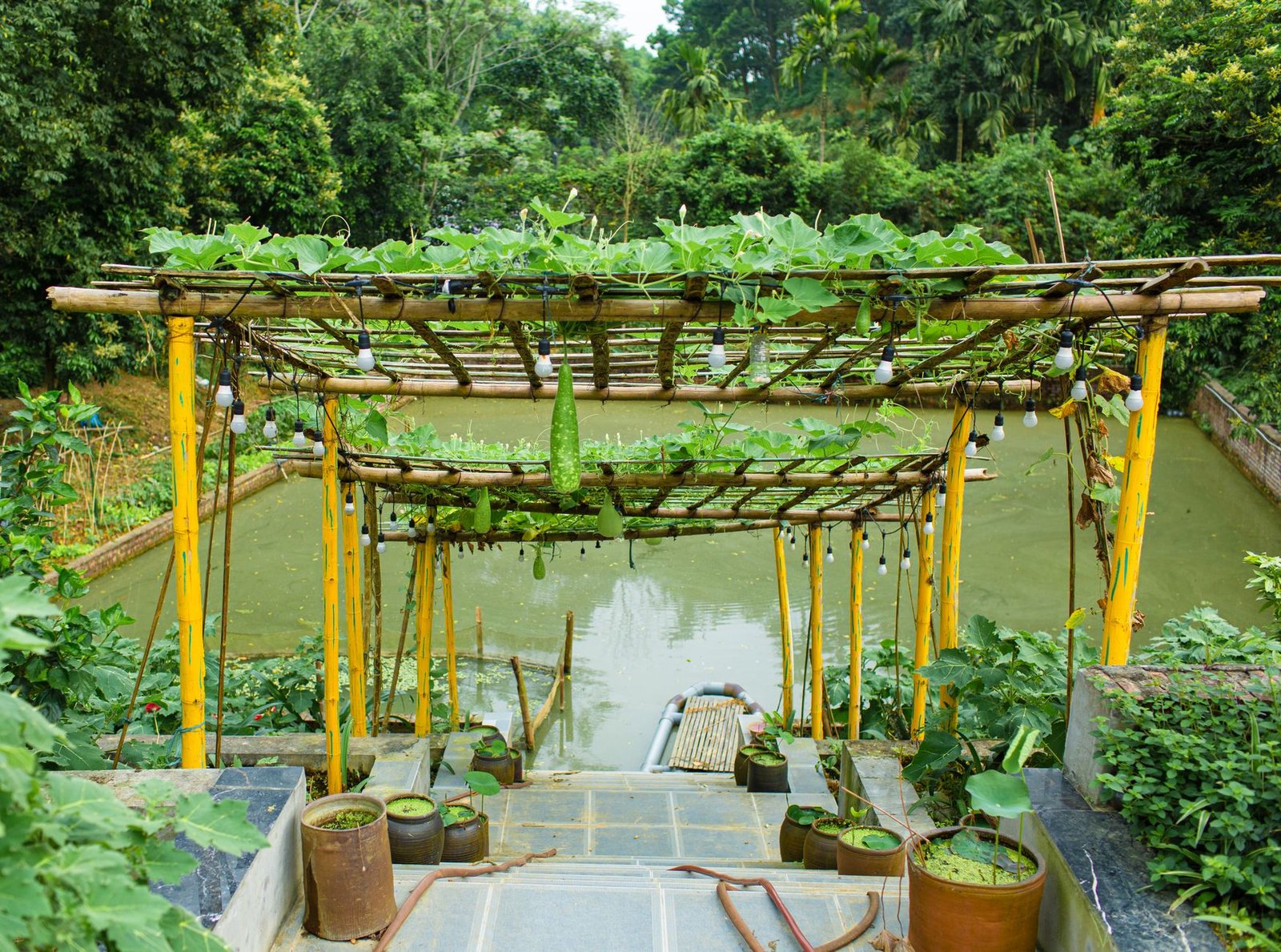
Understanding the investment required for a permaculture garden is crucial for any homeowner considering this sustainable approach. In 2026, a professional permaculture garden design service typically ranges from $1,500 to $10,000 for design fees alone, with total implementation costs for a modest residential project often falling between $8,000 and $30,000+. This investment reflects a holistic approach to creating resilient, productive ecosystems that offer significant long-term returns in environmental benefit, resource conservation, and property value.
Understanding Permaculture Design Costs in 2026
Permaculture, a design system for sustainable living, focuses on creating self-sufficient, regenerative landscapes that mimic natural ecosystems. The initial cost for a permaculture garden encompasses design, materials, and labor, but it is fundamentally an investment in a resilient, low-maintenance, and productive landscape. In 2026, the demand for sustainable landscaping solutions continues to grow, driven by increased awareness of climate resilience and resource scarcity, which in turn influences designer rates and material costs. However, advancements in sustainable materials and smart technologies also offer more efficient options.
The Value Proposition of Permaculture
Unlike conventional landscaping, a permaculture garden is designed to reduce external inputs like water, fertilizer, and labor over time. The upfront cost often includes intricate planning for:
- Water Harvesting Systems: Swales, rain gardens, and rainwater tanks.
- Soil Regeneration: Composting systems, mulching strategies, and cover cropping.
- Biodiversity Enhancement: Polycultures, native plant guilds, and habitat creation.
- Energy Efficiency: Strategic plant placement for passive heating/cooling, windbreaks.
- Productivity: Edible landscapes, medicinal plants, and fiber crops.
The long-term savings in water bills, maintenance, and food production often significantly outweigh the initial investment, making it an economically sound choice for the environmentally conscious homeowner.
Factors Influencing Permaculture Garden Design Costs
Several key variables determine the final cost of a permaculture garden design in 2026.
Size and Complexity of the Property
The scale and existing conditions of the land are primary cost drivers. A small urban backyard (<0.25 acres) with relatively flat topography will naturally incur lower design costs than a multi-acre rural property with significant slopes, existing structures, or challenging soil conditions. Larger or more complex sites require extensive site analysis, mapping, and a more intricate design plan, increasing professional fees.
Scope of Design Services
Permaculture designers offer a range of services, from basic consultations to comprehensive master plans. The level of detail requested directly impacts the cost:
- Initial Consultation (Hourly): A foundational discussion to assess feasibility and provide general recommendations. This typically costs $100-$300 per hour.
- Conceptual Design: Broad strokes and zone mapping, illustrating the overall layout and major elements. This might range from $1,500 to $4,000.
- Detailed Master Plan: Includes specific plant lists, material selections, irrigation layouts, and construction drawings. This is often the most significant portion of the design fee, ranging from $3,000 to $10,000+, depending on complexity.
- Phased Implementation Plan: A long-term strategy breaking the project into manageable stages.
- Ongoing Mentorship/Project Management: Some designers offer support during installation or post-installation guidance, typically charged hourly or as a percentage of the project cost.
In 2026, some advanced permaculture designers are integrating AI-assisted preliminary conceptualization tools, which can streamline the initial phases and potentially offer homeowners more interactive visualization options, influencing costs positively or negatively depending on the designer’s model.
Designer’s Experience and Reputation
Highly experienced and reputable permaculture designers with a strong portfolio of successful projects typically command higher fees. Certifications, such as a Permaculture Design Certificate (PDC), and specialized expertise in areas like arid land design or urban food forests, also contribute to their pricing structure.
Geographic Location
Costs vary significantly based on the cost of living and the market demand for permaculture services in a particular region. Urban areas with higher labor costs and less available land tend to have higher overall project expenses compared to rural regions.
Permaculture Garden Implementation Costs: A 2026 Budget Breakdown
Beyond design, the physical implementation of a permaculture garden involves several budget categories.
Site Preparation and Earthworks
This includes tasks like grading, digging swales or terracing, and initial soil amendment. The use of advanced composting techniques and biochar for soil health is increasingly common in 2026. Costs can range from $1,000 to $8,000+, depending on the site’s initial condition and required modifications.
Water Management Systems
Installation of rainwater harvesting tanks (often modular and aesthetically integrated in 2026), greywater recycling systems, and efficient drip irrigation. Smart, weather-responsive irrigation controllers are becoming standard, optimizing water usage. This category can cost anywhere from $1,500 to $10,000+.
Planting Materials
The selection of native, drought-tolerant, edible, and medicinal species is crucial. Trends in 2026 emphasize climate-resilient varietals and a strong focus on local provenance to ensure adaptability and support regional ecosystems. Costs range from $500 to $5,000+, highly dependent on the quantity, size, and type of plants chosen, with mature trees or rare species significantly increasing the budget.
Hardscaping and Structures
Elements like paths, raised garden beds, trellises, fences, and small sheds. Permeable pavers made from recycled materials and modular raised beds constructed from durable, recycled plastics or composites are popular sustainable choices in 2026. These costs can be substantial, from $1,000 to $15,000+.
Mulching and Soil Building
Initial application of organic mulches and sourcing materials like wood chips or straw. Ongoing soil enrichment through cover cropping and composting are integral to permaculture. Expect to budget $200 to $1,000+ for initial materials.
Professional Labor for Installation
If the homeowner chooses not to undertake the physical implementation, hiring skilled landscapers or permaculture practitioners will be a significant expense. Labor costs can range from $3,000 to $20,000+, often representing the largest single component of the overall budget.
Estimated Total Project Costs for 2026 (Design + Implementation)
- Small Residential (0.1 – 0.25 acres): $8,000 – $18,000
- Medium Residential (0.25 – 1 acre): $18,000 – $45,000
- Large Residential / Rural (>1 acre): $45,000 – $100,000+
Maximizing Value and Long-Term Savings
Homeowners can optimize their permaculture investment through several strategies.
Phased Implementation
Breaking the project into stages over several seasons allows the resident to spread costs and observe how the landscape evolves, informing subsequent phases. For instance, initial earthworks and primary water systems can be installed first, followed by successive planting zones.
DIY Contributions
Homeowner involvement in tasks like planting, mulching, or basic earthworks can significantly reduce professional labor costs. Many permaculture designers also offer workshops or coaching to empower the resident to participate actively.
Sourcing Local and Sustainable Materials
Prioritizing local nurseries for plants and sourcing sustainable, recycled, or upcycled materials reduces transport costs and supports regional economies. This trend is particularly strong in 2026, with an increasing availability of eco-friendly building and landscaping products.
Focus on Water and Energy Efficiency
Investing in robust rainwater harvesting, greywater systems, and smart irrigation technology offers substantial long-term savings on utility bills. Solar-powered garden features and lighting are also increasingly affordable and effective, contributing to energy independence.
Leveraging Native Plants
Native plants are inherently adapted to local climate conditions, requiring less water, fertilizer, and pest management. They also provide essential habitat for local wildlife, enhancing the garden’s ecological function and reducing maintenance.
Ultimately, a permaculture garden represents a thoughtful investment in a sustainable, productive, and beautiful living space. While the initial costs vary based on myriad factors, the long-term return on investment—measured in reduced maintenance, significant water savings, increased food security, and enhanced property value—makes it a compelling choice for the modern homeowner in 2026.