When considering a refresh for a 2026 home, two prominent design philosophies often emerge: Japandi and Scandinavian. Both styles champion minimalism, functionality, and natural elements, yet they diverge significantly in their aesthetic nuances and cultural influences. This article aims to delineate the core characteristics, distinct benefits, and practical applications of each, assisting the homeowner in identifying the ideal aesthetic for their contemporary living space.
The Essence of Japandi Design in 2026
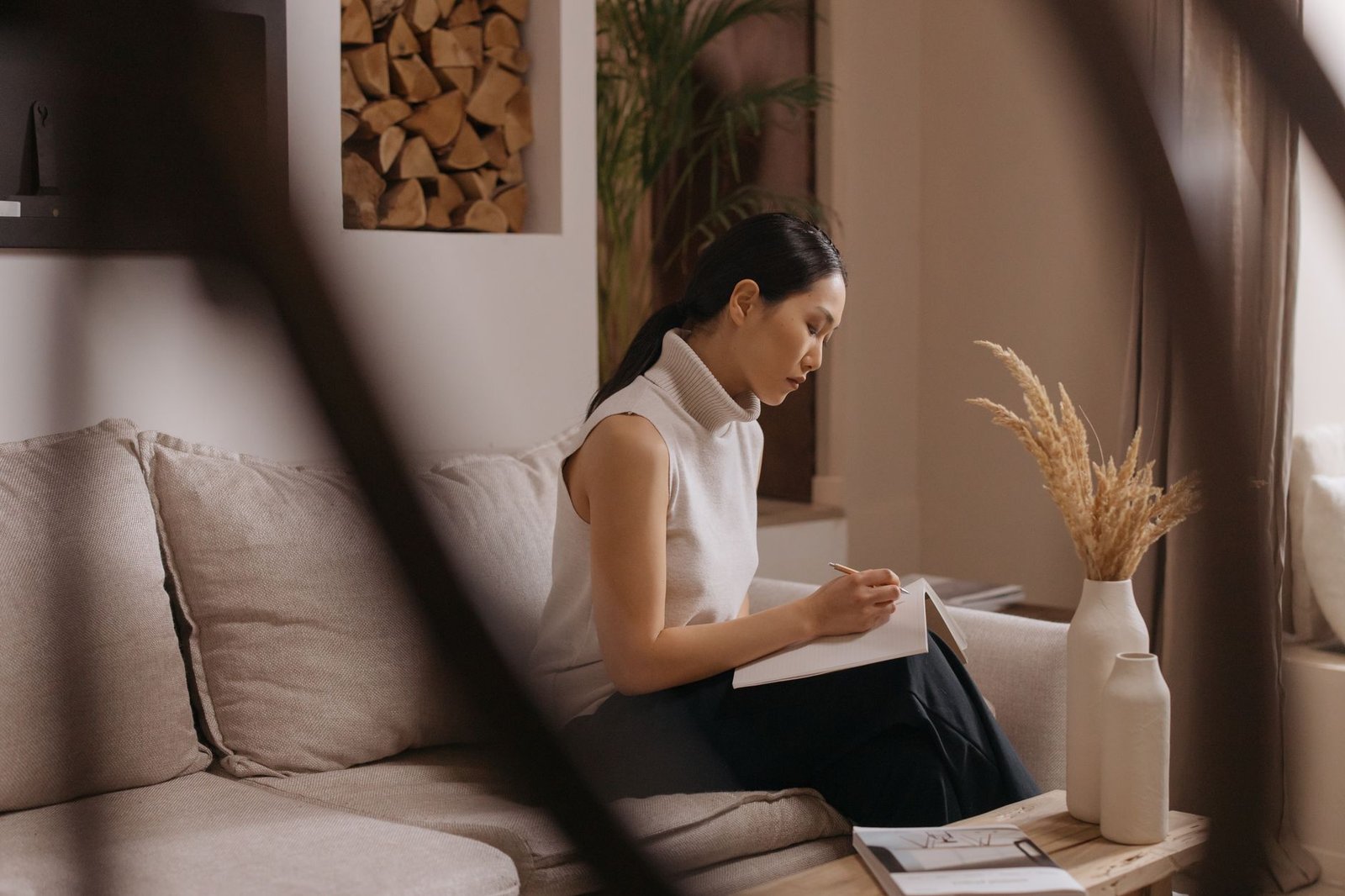
Japandi, a harmonious fusion of Japanese wabi-sabi and Scandinavian hygge, offers a design ethos centered on understated elegance, natural imperfection, and serene tranquility. In 2026, this style continues to evolve, integrating advanced sustainable materials and smart home technologies seamlessly into its inherently calming framework.
Key Characteristics of Japandi in 2026
- Color Palette: A subdued spectrum of muted tones predominates, including warm grays, soft whites, beige, and earthy neutrals, punctuated by occasional deep charcoal or indigo accents. The palette promotes a sense of calm and spaciousness.
- Materials: Emphasis is placed on raw, authentic materials. Wood, particularly light oak, ash, and bamboo, remains central, often paired with tactile ceramics, linen, wool, and recycled paper composites. For 2026, bio-based resins and upcycled textiles offering unique textures are increasingly incorporated, reflecting a heightened commitment to circular design principles.
- Furniture: Pieces are low-slung, minimalist, and highly functional, often featuring clean lines and a handcrafted feel. Furniture typically serves multiple purposes and prioritizes comfort without sacrificing aesthetic purity. Expect an increase in modular furniture systems utilizing sustainably sourced and rapidly renewable materials.
- Decluttering: A fundamental principle is intentional minimalism, focusing on quality over quantity. Every item possesses purpose or aesthetic value, contributing to a tranquil and uncluttered environment.
- Biophilic Elements: Integrating nature is paramount. Carefully chosen indoor plants, natural light, and views to the outdoors are vital for creating a restorative atmosphere. Smart climate control systems and circadian lighting are discreetly integrated to enhance natural rhythms.
Benefits and Practical Applications
Japandi design promotes a mindful living experience. The resident benefits from an environment that fosters relaxation, reduces visual noise, and encourages appreciation for craftsmanship and natural beauty. For urban dwellings in 2026, where space optimization is critical, Japandi’s functional minimalism offers sophisticated solutions. It is particularly suitable for homeowners seeking a sophisticated, serene sanctuary.
Exploring Scandinavian Design in the Modern Era
Scandinavian design, renowned for its democratic principles and commitment to light, functionality, and simplicity, continues its legacy into 2026. Its enduring appeal lies in creating comfortable, practical, and aesthetically pleasing spaces that enhance daily life.
Key Characteristics of Scandinavian Design in 2026
- Color Palette: Characterized by bright, airy spaces, the typical Scandinavian palette focuses on crisp whites, cool grays, light blues, and pastels. These colors maximize natural light, which is crucial in Nordic climates.
- Materials: Natural materials are fundamental, with a strong emphasis on light-colored wood (birch, pine, ash), wool, cotton, and leather. The 2026 iteration sees a stronger push towards local sourcing and materials with verifiable low carbon footprints, including innovative composites from forest industry by-products.
- Furniture: Furniture is highly functional, ergonomic, and durable, featuring clean lines and often a slightly more robust or playful form compared to Japandi. Mid-century modern influences remain strong. Modular storage solutions and adaptable furniture that cater to flexible living arrangements are a growing trend.
- Lighting: Thoughtful lighting design is crucial. Multiple light sources, including ambient, task, and accent lighting, are employed to create warm, inviting spaces. Smart lighting systems that adjust color temperature and intensity based on time of day and resident preference are standard.
- Functionality and Comfort: The design prioritizes ease of use and comfort, ensuring that spaces are not only beautiful but also highly livable. Textiles like throws, cushions, and rugs add warmth and texture.
Benefits and Practical Applications
Scandinavian design cultivates an inviting, practical, and family-friendly atmosphere. It is ideal for homeowners who value bright, open spaces and a cozy, unpretentious elegance. Its emphasis on durability and timelessness makes it a wise investment, while its adaptability to various home sizes and layouts ensures broad appeal for diverse residents in 2026.
Key Differentiators and 2026 Trends
While both styles share a minimalist foundation, their distinctions are significant. Japandi leans into the austere beauty of imperfection and profound serenity, often with darker wood tones and a more contemplative atmosphere. Scandinavian design, conversely, embraces a brighter, more overtly cozy aesthetic, focusing on functional joy and accessibility.
- Emphasis on Contrast: Japandi frequently uses subtle contrasts, such as dark wood against light walls, or rough textures juxtaposed with smooth. Scandinavian design tends to favor gentle, harmonious contrasts within a lighter overall scheme.
- Imperfection vs. Perfection: Japandi celebrates wabi-sabi’s appreciation for flaws and natural wear, viewing them as part of an item’s history and beauty. Scandinavian design, while organic, typically seeks a more refined, polished aesthetic.
- Color Temperature: Japandi often incorporates warmer, earthier undertones, even in its grays and whites. Scandinavian design favors cooler, crisper whites and blues.
- Material Innovation 2026: Both styles will increasingly feature smart materials. Japandi might discreetly integrate bio-luminescent materials for subtle ambient lighting or use advanced ceramic composites for their raw, tactile feel. Scandinavian design is exploring advanced textiles made from recycled ocean plastics and 3D-printed furniture from sustainable biomaterials, pushing boundaries in circular design and customized production.
- Technological Integration 2026: For Japandi, technology is often hidden, designed to enhance the minimalist aesthetic without being visually obtrusive. Scandinavian design also favors subtle integration but might be more open to visually appealing tech, provided it serves a clear functional purpose and enhances well-being.
Making the Informed Choice for the Modern Homeowner
The decision between Japandi and Scandinavian design ultimately rests on the individual homeowner’s priorities and desired living experience. The resident seeking a tranquil, almost meditative retreat with a focus on handcrafted perfection and natural imperfection may find Japandi more appealing. It offers a sophisticated, understated elegance that encourages quiet contemplation. For those who prioritize bright, cheerful spaces, robust functionality, and a sense of collective well-being, Scandinavian design presents an ideal framework. Its accessible comfort and timeless appeal ensure a welcoming home environment.
Consider the architecture of the existing home, the amount of natural light available, and the personal lifestyle. Is the user drawn to a deeply calming, slightly more rustic zen, or a brightly lit, practical, and overtly cozy haven? Both styles offer enduring beauty and a commitment to quality, ensuring a stylish and comfortable 2026 home, irrespective of the chosen path.