
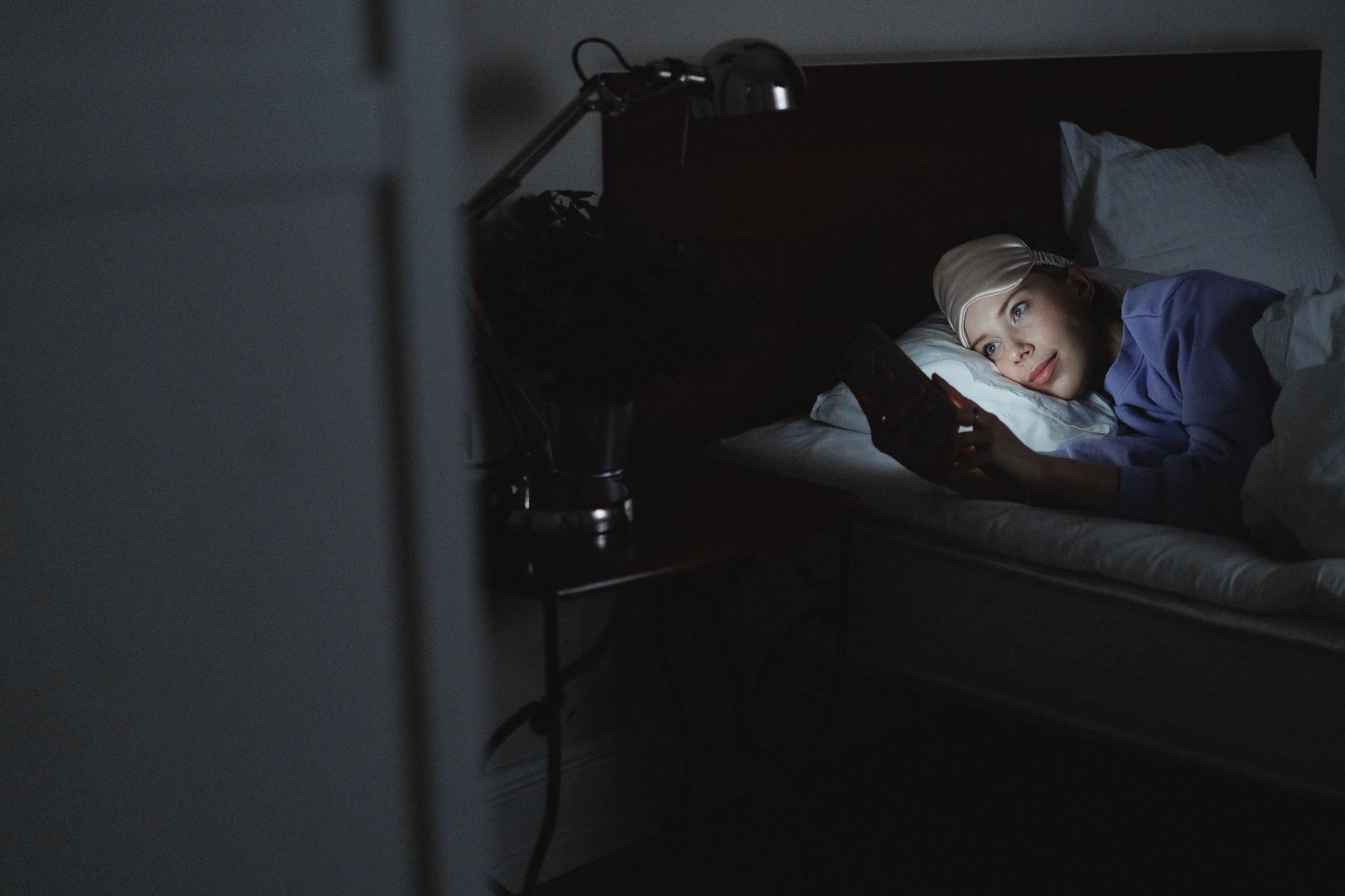
As advancements in home technology accelerate, a pertinent question for homeowners in 2026 revolves around the efficacy of smart lighting in enhancing restorative rest. The answer is a resounding affirmation: modern smart lighting systems, when thoughtfully configured, demonstrably improve sleep quality by harmonizing with the body’s natural circadian rhythms. Through sophisticated control over light spectrum, intensity, and timing, these systems actively contribute to a more conducive sleep environment, moving beyond mere convenience to offer tangible wellness benefits.
The Circadian Rhythm and Light’s Profound Impact
The human body operates on an internal clock, known as the circadian rhythm, which largely dictates sleep-wake cycles, hormone production, and cellular regeneration. Light is the primary external cue that calibrates this rhythm. Exposure to specific light wavelengths at different times of the day sends critical signals to the brain, influencing the production of melatonin, the hormone responsible for inducing sleepiness.
Blue Light’s Dual Role
During daylight hours, exposure to blue-rich light is beneficial, signaling alertness, boosting mood, and enhancing cognitive function. However, prolonged exposure to high-energy visible (HEV) blue light, particularly in the evening hours, can be detrimental. It actively suppresses melatonin production, delaying the onset of sleep and disrupting the natural progression through sleep stages. Traditional screens and conventional cool-white lighting sources are significant contributors to this challenge.
Red and Amber Light Benefits
Conversely, wavelengths in the red and amber spectrums are perceived by the body as signals of evening and nightfall. These warmer hues have a minimal impact on melatonin suppression, allowing its natural production to commence. Incorporating these specific light profiles into the evening environment can significantly aid in the body’s transition from wakefulness to sleep, promoting deeper, more restorative rest.
How Smart Lighting Facilitates Enhanced Sleep
Modern smart lighting systems go far beyond simple on/off functionality. They are sophisticated tools designed to mimic natural light patterns, providing a seamless transition throughout the day and into the night.
Tunable White and Full-Spectrum Technology
A cornerstone of sleep-supportive smart lighting is tunable white technology. This allows the resident to adjust the color temperature of light from energizing cool whites (e.g., 5000K-6500K) during the day to calming warm ambers (e.g., 2200K-2700K) in the evening. Advanced systems in 2026 often feature full-spectrum LED arrays that can precisely replicate the solar spectrum, offering richer color rendering and more nuanced light therapy capabilities, including specific red light wavelengths known for their therapeutic potential.
Automated Schedules and Presence Detection
The true power of smart lighting lies in its automation. Systems can be programmed with schedules that gradually dim and warm the lights as evening approaches, preparing the body for sleep. In the morning, lights can simulate a sunrise, gently increasing in intensity and coolness to facilitate a natural awakening. Integrated presence sensors can further optimize energy use and comfort, ensuring appropriate lighting only when a space is occupied, preventing unnecessary light exposure during sleep hours.
Seamless Integration with Home Automation Systems
Smart lighting platforms in 2026 are highly interoperable, integrating effortlessly with other smart home devices such as smart blinds, thermostats, and even air purification systems. This creates a cohesive