Understanding the investment required for professional deep cleaning services for a home in 2026 is crucial for budgeting and planning. For a standard residential property, deep cleaning costs typically range from $300 to over $1,000, depending significantly on various factors such as the dwelling’s size, its current condition, geographical location, and the specific services requested. As of 2026, homeowners can expect these services to offer enhanced sanitization protocols and leverage modern cleaning technologies, influencing the overall pricing structure.
Factors Influencing Deep Cleaning Costs in 2026
Several variables contribute to the final price quoted for a professional deep cleaning service. A thorough understanding of these elements assists homeowners in anticipating costs and making informed decisions.
Home Size and Layout
The square footage of a home is a primary determinant of cost. Larger properties naturally require more time, labor, and cleaning supplies. The number of bedrooms, bathrooms, and specialized areas like home offices, media rooms, or expansive kitchens directly impacts the scope of work. Multi-story homes may also incur slightly higher costs due to increased logistical challenges for cleaning teams.
Geographical Location
Pricing for cleaning services varies significantly based on regional economic factors, including the cost of living and local labor rates. Urban areas or regions with a higher demand for professional services typically present higher price points compared to rural or less populous areas.
Current Condition of the Home
A dwelling that has not been professionally cleaned for an extended period, or one that exhibits heavy grime, excessive dust, or pet dander accumulation, will necessitate more intensive labor and specialized products. Service providers may charge a premium for properties requiring extensive remediation efforts.
Specific Services and Add-ons
Standard deep cleaning packages usually cover core areas, but additional services can increase the total cost. These might include:
- Interior window cleaning: Beyond basic spot cleaning.
- Carpet and upholstery deep cleaning: Utilizing steam or specialized extraction methods.
- Wall washing: Addressing scuffs and marks beyond spot treatments.
- Appliance interior cleaning: Oven, refrigerator, microwave interiors.
- Cabinet interior cleaning: Emptying and cleaning inside cupboards and drawers.
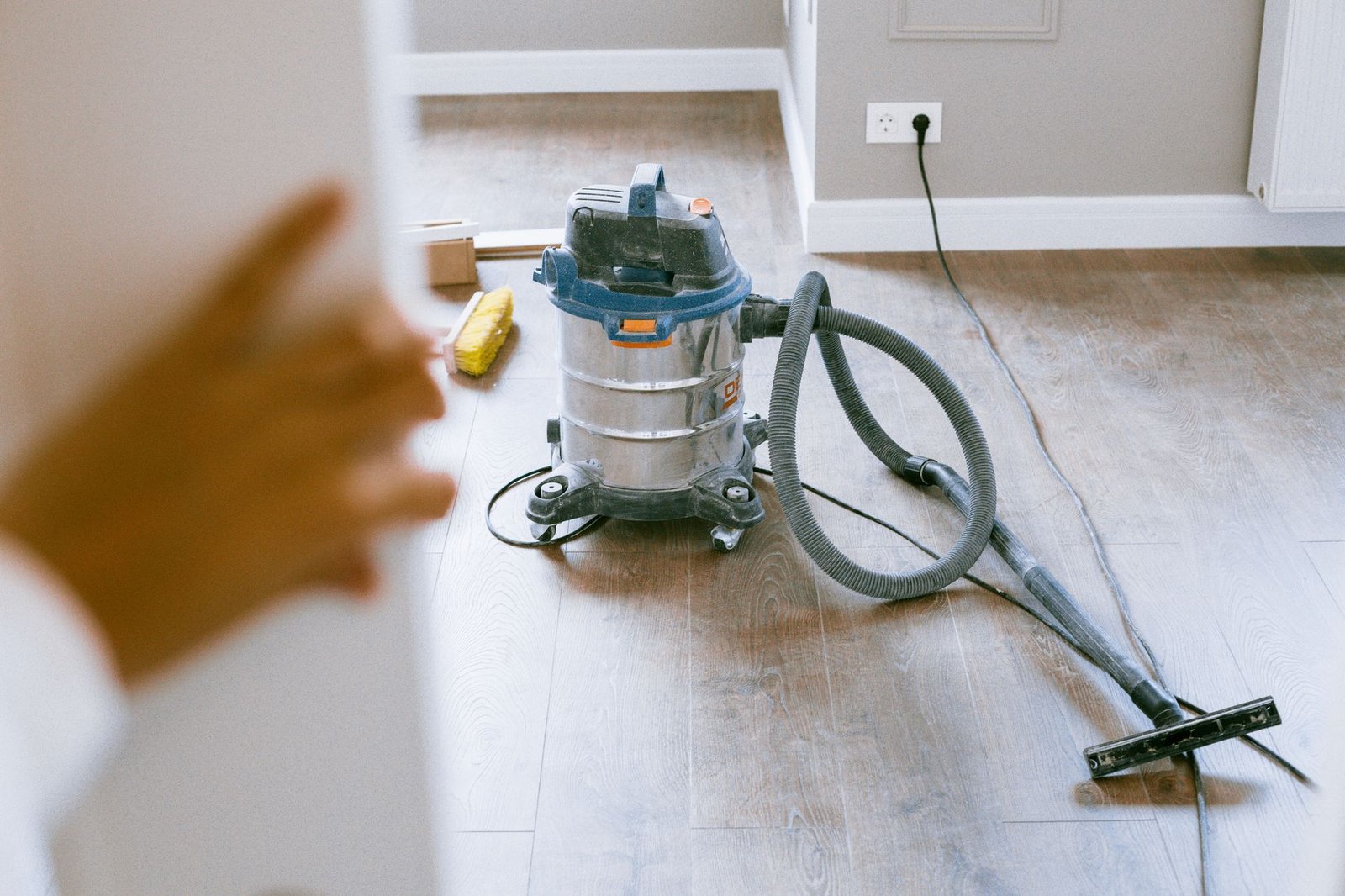
- Post-construction or renovation cleaning: Specialized services for dust and debris removal.
- HVAC vent and duct cleaning: Often partnered with air quality specialists.
Frequency of Service
While deep cleaning is often a one-time intensive service, some providers offer discounted rates for recurring deep cleans or integrate deep cleaning elements into regular maintenance schedules. Establishing a consistent cleaning regimen can lead to long-term cost efficiencies.
What’s Included in a Professional Deep Clean (2026 Standards)
A professional deep clean goes beyond routine tidying, targeting accumulated dirt, grime, and hidden allergens. In 2026, these services often incorporate advanced techniques and products for enhanced wellness and comfort.
Kitchen Deep Clean
The kitchen, a high-traffic area, receives meticulous attention. This typically includes a comprehensive cleaning of:
- All accessible surfaces, countertops, and backsplashes.
- Exterior of cabinets and drawers.
- Sinks, faucets, and drains.
- Exterior of appliances (refrigerator, oven, dishwasher, microwave).
- Stovetop and range hood exterior.
- Baseboards and floor cleaning, often with steam or specialized floor care.
Bathroom Deep Clean
Bathrooms are thoroughly disinfected and sanitized, covering:
- Showers, tubs, tiles, and grout.
- Toilets (interior and exterior).
- Sinks, vanities, and mirrors.
- Fixtures and chrome polished.
- Baseboards and floor cleaning, with focus on mildew and soap scum removal.
Living Areas and Bedrooms
These spaces are addressed with a focus on dust removal and surface sanitation:
- Dusting and wiping all accessible surfaces, including shelves, furniture, and decorative items.
- Vacuuming or mopping floors, including under furniture where accessible.
- Emptying wastebins.
- Spot cleaning walls and light switches.
- Dusting light fixtures, ceiling fans, and vents.
- Interior window sills and ledges cleaned.
Advanced Disinfection and Allergen Control
A key differentiator in 2026 deep cleaning is the integration of advanced disinfection protocols. This may involve the use of hospital-grade disinfectants, often eco-certified, and specialized equipment like HEPA-filtered vacuums to trap microscopic particles, reducing allergens and improving indoor air quality. Some services may offer electrostatic spraying or UV-C light treatment for surfaces and air purification, particularly in critical areas, reflecting heightened wellness awareness.
Industry Trends and Modern Material Developments for 2026
The cleaning industry in 2026 is influenced by a drive towards sustainability, technological integration, and material innovation, all of which impact service offerings and costs.
Sustainable and Smart Cleaning Solutions
Demand for eco-friendly and non-toxic cleaning products continues to rise. Service providers are increasingly using biodegradable solutions that are safer for residents, pets, and the environment, albeit sometimes at a slightly higher product cost. Furthermore, the integration of smart home technology, such as automated vacuuming and air purification systems, may complement professional services, allowing for more targeted and efficient deep cleans when professional intervention is required.
Advanced Disinfection Technologies
Beyond traditional chemical disinfectants, 2026 sees wider adoption of technologies like UV-C light wands for surface sanitation and electrostatic sprayers that evenly coat surfaces with disinfectants, ensuring thorough pathogen elimination. Fogging systems using hypochlorous acid (HOCl) solutions are also gaining traction for whole-room disinfection, providing highly effective, residue-free sanitation. These specialized applications contribute to the overall service cost due to equipment investment and specific training requirements.
Impact of Material Science on Cleaning
Modern material science is subtly reshaping deep cleaning needs. The increased prevalence of surfaces with hydrophobic and oleophobic coatings (e.g., self-cleaning glass, stain-resistant fabrics, and anti-fingerprint appliance finishes) can make routine cleaning easier. However, professional deep cleaning still plays a critical role in maintaining the integrity and efficacy of these advanced materials over time, often requiring specific cleaning agents that do not degrade the coatings. The growing use of antimicrobial materials in high-touch areas within homes can also influence cleaning protocols, sometimes simplifying disinfection but still requiring thorough physical cleaning.
Maximizing Value and Understanding Quotes
For the homeowner considering professional deep cleaning, strategic planning ensures the best outcome and value.
Obtaining Detailed Quotes
It is advisable to obtain multiple quotes from reputable service providers. A comprehensive quote should clearly outline:
- The total cost and any potential additional fees.
- A detailed list of all included services.
- The estimated duration of the cleaning process.
- The types of products and equipment to be used, especially regarding eco-friendliness or specialized disinfection.
- Insurance and bonding information for the cleaning team.
Seasonal and Bundle Deals
Some companies offer seasonal promotions or bundle discounts for combining deep cleaning with other services, such as window washing or carpet cleaning. Inquiring about such offers can provide cost savings. Investing in an annual or bi-annual deep clean, especially for high-traffic areas or before/after significant events, helps maintain a consistently healthier and more comfortable living environment.
Preparation by the Resident
While not strictly a cost factor, preparing the home by decluttering and clearing surfaces before the cleaning team arrives can allow them to work more efficiently, potentially reducing the overall time spent and optimizing the value derived from the service.
Conclusion
The cost of professional deep cleaning for a home in 2026 is a multifaceted figure, influenced by property specifics, location, and the desired level of service. With an average range of $300 to over $1,000, homeowners can expect a thorough rejuvenation of their living spaces, often enhanced by advanced disinfection techniques and sustainable practices reflective of modern industry trends. By understanding the contributing factors and diligently comparing service offerings, residents can secure a high-quality deep clean that contributes significantly to the dwelling’s overall wellness and comfort.