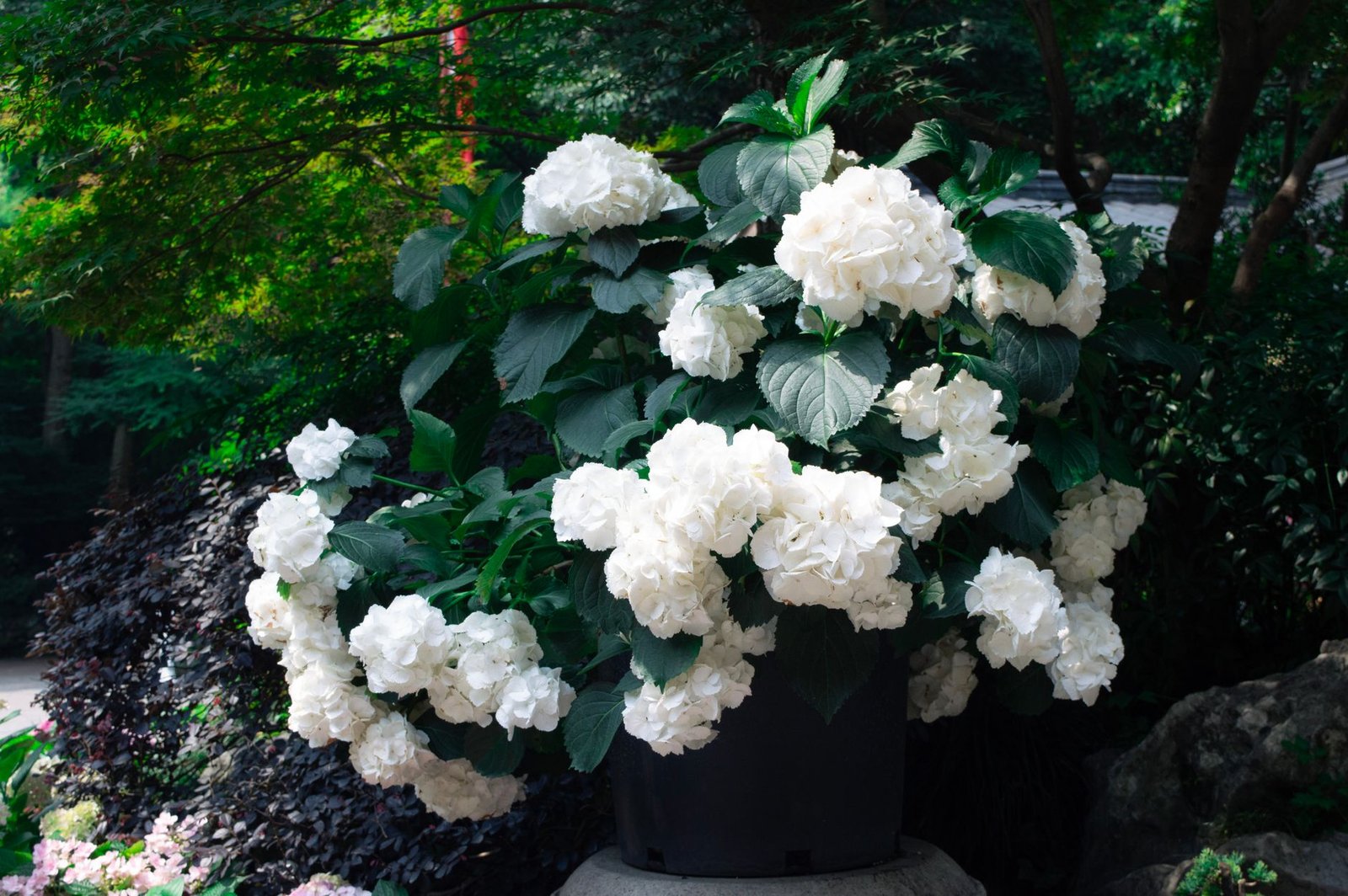
For homeowners aiming to cultivate an abundance of vibrant hydrangea blooms in 2026, the most effective fertilization strategy typically involves a balanced or phosphorus-rich formulation. Fertilizers with NPK ratios such as 10-20-10 or 15-30-15 are generally recommended, focusing on the crucial role of phosphorus in flower development. This approach, combined with diligent soil pH management and the strategic use of modern slow-release and organic options, establishes the foundation for spectacular floral displays.
Understanding Hydrangea Nutritional Needs for Optimal Blooms
Maximizing hydrangea blooms requires a nuanced understanding of their specific nutritional demands. The primary macronutrients—Nitrogen (N), Phosphorus (P), and Potassium (K)—each play distinct roles. Nitrogen primarily promotes lush, green foliage growth. While essential, an excess of nitrogen can paradoxically hinder flowering, diverting the plant’s energy away from bloom production towards vegetative growth. Phosphorus is the key nutrient for stimulating strong root development and, crucially, abundant flower formation. Potassium contributes to overall plant vigor, disease resistance, and water regulation, supporting both foliage and flower health.
Beyond these primary nutrients, hydrangeas also benefit from various micronutrients like iron, magnesium, and boron. These are often present in high-quality complete fertilizers and are vital for specific metabolic functions that indirectly support vigorous flowering. The availability of these nutrients is heavily influenced by soil pH, a critical factor for hydrangea health and bloom color.
Top Fertilizer Choices for Maximizing Blooms in 2026
In 2026, the market offers a diverse range of fertilizers tailored to meet the specific needs of hydrangeas for bloom maximization. The selection often depends on the homeowner’s preference for application method, desired release speed, and commitment to organic practices.
Slow-Release Granular Formulas
Slow-release granular fertilizers remain a top recommendation for their efficiency and convenience. These modern formulations, available in 2026, are often coated with polymer materials that gradually release nutrients over several months. This steady nutrient supply minimizes the risk of over-fertilization, reduces nutrient leaching, and ensures a consistent feed for the plant throughout the growing season. Many specialized hydrangea formulas fall into this category, offering NPK ratios designed to boost flowering, such as 15-30-15 or similar phosphorus-heavy blends.
Organic Fertilizers
The trend towards sustainable gardening continues strongly into 2026, making organic fertilizers increasingly popular. Options like bone meal (rich in phosphorus), blood meal (for a nitrogen boost early in the season, used sparingly), compost, and worm castings not only provide essential nutrients but also enhance soil structure and foster a healthy soil microbiome. While their nutrient release is typically slower and less precise than synthetic options, organic fertilizers contribute to long-term soil health, which ultimately supports robust flowering.
Liquid Feeders
Liquid fertilizers offer a rapid nutrient uptake, making them suitable for quick boosts or correcting deficiencies. However, their effects are often short-lived, requiring more frequent applications. For bloom maximization, a homeowner might use a diluted liquid fertilizer with a high phosphorus content as a supplementary feed during the peak growing season, after the initial slow-release application has been made.
2026 Trends in Hydrangea Fertilization and Soil Management
The year 2026 highlights several significant trends in horticulture that impact hydrangea care, particularly regarding fertilization and soil health.
Precision Nutrient Delivery Systems
Advancements in fertilizer technology mean more options for precision nutrient delivery. Beyond traditional slow-release, some smart fertilizers available in 2026 can be tailored to specific soil types or plant stages, offering even more controlled and efficient nutrient release. These innovations aim to reduce waste and maximize nutrient availability for the plant.
Emphasis on Soil Microbiome Health
A growing understanding of the soil microbiome’s role has led to increased popularity of products that include beneficial microbes, humic acids, and bio-stimulants. These additions, often found in advanced organic and hybrid fertilizers, work to improve nutrient uptake, enhance soil structure, and increase plant resilience, contributing to healthier, more prolific blooms.
Sustainable and Eco-Friendly Options
The demand for fertilizers with minimal environmental impact continues to rise. In 2026, homeowners can find a broader array of sustainably sourced and manufactured fertilizers, often with reduced chemical footprints or derived from recycled waste streams. This aligns with broader ecological gardening principles.
Criticality of Soil pH Monitoring
For Bigleaf Hydrangeas (Hydrangea macrophylla), soil pH dictates bloom color: acidic soil (pH 5.5 and below) encourages blue flowers, while alkaline soil (pH 6.5 and above) promotes pinks. For consistent bloom color and optimal nutrient absorption, regular soil pH testing and adjustment are paramount. In 2026, advanced soil testing kits, including smart home garden devices, make this process more accessible. Aluminum sulfate can be used to lower pH for blue blooms, and dolomitic lime can raise pH for pink blooms. Regardless of color preference, ensuring the pH is within the optimal range (typically 5.5 to 7.0) is crucial for the plant’s ability to absorb the applied fertilizers.
Optimal Fertilization Schedule for Abundant Blooms
Timing is as critical as the fertilizer choice for maximizing hydrangea blooms.
- Early Spring (After Last Frost): This is the most crucial feeding. Once new growth appears and the danger of hard frost has passed, apply the primary slow-release granular fertilizer. This provides the foundational nutrients for the entire growing season.
- Late Spring/Early Summer (Optional, Lighter Feed): For plants that are heavy feeders or in poor soil, a light, supplementary application of a liquid phosphorus-rich fertilizer can be considered. However, caution is advised to avoid over-fertilization.
- Avoid Late Season Feeding: Cease all fertilization by late summer (typically August in most regions). Fertilizing too late in the season can stimulate new, tender growth that is vulnerable to winter damage and can reduce the plant’s hardiness.
Always follow the manufacturer’s instructions for application rates. Over-fertilization can burn roots, damage the plant, and lead to environmental runoff.
Beyond Fertilizer: Holistic Hydrangea Care for Peak Performance
While fertilization is vital, it is only one component of a comprehensive care regimen for maximizing hydrangea blooms. A holistic approach ensures the plant’s overall health and vigor.
- Proper Watering: Hydrangeas are thirsty plants, especially during hot, dry periods and when flowering. Consistent moisture, particularly at the root zone, is essential. Avoid overhead watering, which can promote fungal diseases.
- Adequate Sunlight: Most hydrangeas thrive in partial shade, particularly protection from intense afternoon sun. Too much sun can scorch leaves and reduce bloom duration, while too little sun can lead to sparse flowering.
- Pruning Techniques: Understanding the specific hydrangea type is critical for pruning. Many modern cultivars bloom on both old and new wood, but some, like Bigleaf and Oakleaf hydrangeas, primarily bloom on old wood (buds formed the previous season). Improper pruning can remove future flower buds. Pruning should generally occur immediately after flowering for old-wood bloomers, or in late winter/early spring for new-wood bloomers.
- Soil Health and Amendments: Regular amendment of the soil with organic matter like compost improves drainage, aeration, and nutrient retention, creating an ideal environment for hydrangea roots.
- Pest and Disease Management: Vigilance against common pests and diseases ensures that the plant’s energy is directed towards flowering, not recovery from stress.
By integrating the best fertilizer choices for 2026 with an attentive feeding schedule and comprehensive care practices, homeowners can expect to achieve truly spectacular and abundant hydrangea blooms, transforming their gardens into vibrant showcases of color and elegance.