
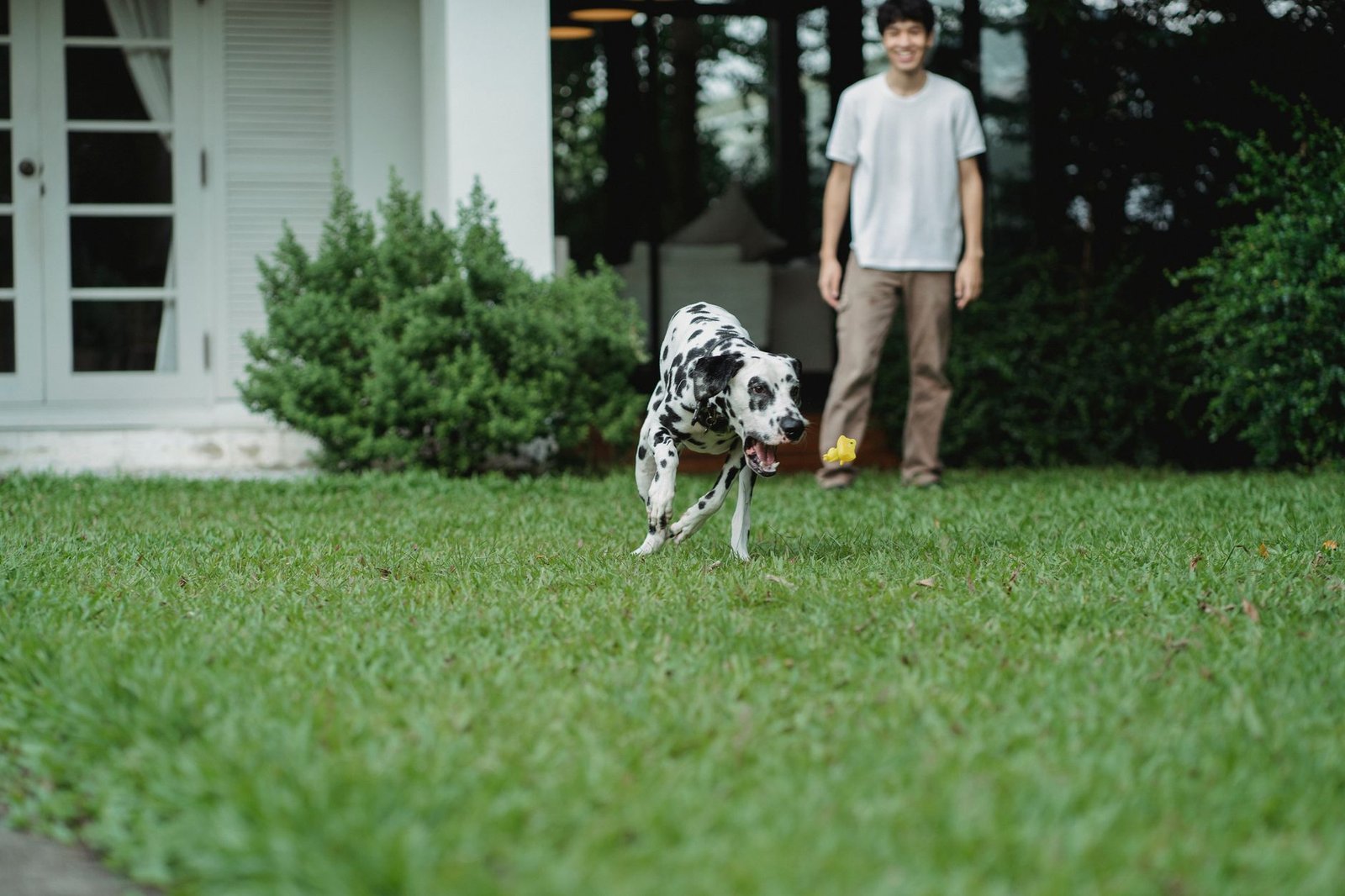
Bare spots in a lawn can diminish its overall appeal, but achieving a consistently lush, green outdoor space is entirely within the reach of any homeowner. Patchy areas, thinning turf, or completely denuded zones are common challenges in landscape maintenance. This guide presents five effective do-it-yourself methods leveraging 2026’s latest trends and materials, designed to repair these problematic areas and cultivate a vibrant, even lawn throughout the upcoming year.
Understanding the Causes of Lawn Patchiness
Before implementing any repair strategy, understanding why bare spots appear is crucial. Various factors can contribute to uneven lawn growth, and identifying the root cause ensures a more permanent solution.
Common Culprits Behind Bare Lawn Patches
- Soil Compaction: Heavy foot traffic, equipment use, or naturally dense clay soils can compact the soil, restricting root growth and preventing water and nutrient absorption.
- Nutrient Deficiencies: Lack of essential nutrients, often revealed through a soil test, can starve grass plants, leading to weak growth or death.
- Watering Issues: Inconsistent or insufficient watering, as well as overwatering leading to root rot, can create stressed areas.
- Pest and Disease Activity: Grubs, chinch bugs, various fungal infections (e.g., brown patch, dollar spot), and other turfgrass diseases can devastate sections of a lawn.
- Environmental Stressors: Excessive shade, extreme temperatures, drought, or even pet waste can kill grass in localized areas.
- Chemical Damage: Herbicide overspray or accidental spills of other chemicals can create dead zones.
Thoroughly investigating these potential issues will inform the most appropriate repair technique for the resident.
Essential Groundwork for Successful Lawn Repair
Effective lawn repair begins with diligent preparation of the affected areas. Neglecting this crucial first step can undermine even the most advanced restoration efforts.
Preparing the Bare Patch for Treatment
- Clear Debris: Remove all dead grass, weeds, stones, leaves, and any other obstructions from the bare patch. This ensures maximum seed-to-soil contact and prevents competition for resources.
- Loosen Compacted Soil: For smaller patches, use a hand rake or a garden fork to gently break up the top 2-3 inches of soil. This improves aeration and drainage, creating a receptive bed for new growth. For larger or severely compacted areas, a small core aerator or an application of a liquid aeration product (increasingly popular for its ease of use in 2026) can be beneficial.
- Address Underlying Issues: If the bare spot was caused by poor drainage, excessive shade, or pest activity, these issues must be mitigated before proceeding. This might involve improving drainage, trimming tree limbs, or applying targeted, eco-friendly pest control.
- Amend Soil (If Necessary): Based on a soil test, incorporate organic matter such as compost or specific soil amendments to correct pH imbalances or nutrient deficiencies.
- Level the Area: Gently level the prepared patch with a rake to create an even surface, which prevents water pooling and promotes uniform growth.
Five Do-It-Yourself Solutions for a Lush 2026 Lawn
With the ground prepared, homeowners can choose from several effective DIY methods to restore their lawn’s pristine appearance.
1. Overseeding with Advanced Smart Seed Blends
Overseeding remains a foundational method for thickening thin lawns and repairing bare spots. For 2026, the focus is on smart seed blends engineered for regional resilience and sustainability. These blends often incorporate drought-tolerant fescues, microclovers for natural nitrogen fixation and improved soil health, and varieties resistant to common local diseases. After preparing the bare patch, broadcast the chosen seed blend evenly. Lightly rake to ensure good soil contact, then apply a thin layer (approximately 1/8 to 1/4 inch) of fine compost or a specialized seed-starting mix. Consistent moisture is vital for germination, requiring light, frequent watering until new grass is established.
2. Precision Patch Repair Kits and Hydroseeding Sprays
Modern convenience is offered by all-in-one patch repair kits. These typically contain a mix of premium seed, slow-release fertilizer, and protective mulch, designed to simplify the repair process. The user simply spreads the mix over the prepared area and waters. Emerging for home use are smaller-scale hydroseeding sprays, which combine seed, mulch, and a binding agent in a liquid application. These sprays adhere well to sloped areas and provide a protective layer, promoting faster germination and reducing wash-away. The 2026 formulations often include biodegradable binders and nutrient-rich slurries, making them an efficient and eco-conscious choice for targeted repairs.
3. Targeted Soil Remediation
Addressing the underlying soil health is paramount, especially if initial soil tests revealed specific issues. For bare spots caused by nutrient deficiencies or poor soil structure, targeted soil remediation is highly effective. If a soil test identifies particular deficiencies, apply the appropriate organic fertilizers or amendments directly to the patch. In 2026, products containing beneficial microbes, mycorrhizal fungi, and biochar are increasingly popular. These additions enhance nutrient cycling, improve water retention, and build a robust soil ecosystem, fostering healthier grass growth from the roots up and reducing the likelihood of future bare spots.
4. Aeration and Topdressing with Enhanced Compost
For larger, persistently thin areas or compacted patches where general overseeding has struggled, aeration followed by topdressing is highly effective. Aeration creates small holes, allowing air, water, and nutrients to penetrate deep into the root zone, alleviating compaction. Post-aeration, a thin layer (approximately 1/4 inch) of high-quality compost, potentially enriched with worm castings or biochar, should be spread evenly over the area. This combination improves soil structure, introduces beneficial organisms, and provides a slow-release nutrient source, significantly boosting the health and density of the existing and new turf. This method is particularly beneficial for areas with heavy foot traffic or clay soil.
5. Strategic Mulching for Challenging Zones
Some bare spots, particularly those under dense shade, along building drip lines, or in high-traffic corners, consistently resist traditional grass growth. For these challenging areas, strategic mulching offers an aesthetic and practical solution that complements the overall landscape design. Instead of repeatedly attempting to grow grass where it struggles, the homeowner can define these zones with an attractive edge and apply an appropriate mulch – perhaps shredded bark, pine needles, or decorative gravel. This prevents erosion, suppresses weeds, and maintains a neat appearance. For 2026, sustainable, locally sourced mulches are preferred, often with added benefits like natural pest deterrents or enhanced moisture retention properties, minimizing environmental impact while creating a visually appealing, low-maintenance area.
Sustaining a Lush Landscape: Ongoing Care for 2026 Lawns
Once bare spots are repaired, consistent maintenance practices are essential to preserve the lawn’s health and prevent future issues.
Consistent Watering Practices
Proper watering is critical, especially for newly repaired areas. Deep, infrequent watering encourages stronger root growth, making the turf more resilient. In 2026, smart irrigation systems leveraging AI and local weather data are increasingly accessible, optimizing water usage and ensuring consistent moisture without waste. The resident should aim for approximately 1 inch of water per week, including rainfall, adjusted for local climate and soil conditions.
Balanced Fertilization Regimens
A balanced fertilization program supports overall lawn health and prevents future bare spots. Annual or bi-annual applications of slow-release, organic-based fertilizers are recommended. Soil test results should guide specific nutrient applications to avoid over-fertilization, which can lead to burn or excessive top growth at the expense of vital root development.
Integrated Pest and Disease Management
Vigilance against pests and diseases helps maintain a healthy lawn. Regular inspection for signs of grubs, chinch bugs, or fungal infections allows for early intervention. For 2026, emphasis is placed on eco-friendly and biological control methods, minimizing chemical use. Proper cultural practices, such as maintaining the correct mowing height and adhering to appropriate watering schedules, also significantly reduce the lawn’s susceptibility to stress.
Aeration and Dethatching Schedule
Routine aeration (every 1-3 years depending on soil type and traffic) and dethatching (when thatch layers exceed 1/2 inch) are crucial preventative measures. These practices prevent compaction and improve nutrient uptake, ensuring the lawn remains robust and healthy, reducing the likelihood of bare spots reoccurring.
Achieving a consistently full and vibrant lawn in 2026 is an attainable goal for any homeowner. By understanding the common causes of bare spots, performing thorough preparation, and implementing these five effective DIY fixes – from advanced overseeding with smart seed blends to strategic mulching – a lush and inviting outdoor space can be cultivated. Ongoing attention to watering, fertilization, and pest management will ensure these efforts yield lasting results, enhancing the aesthetic and comfort of the domestic landscape for years to come. The proactive application of modern techniques and sustainable practices empowers the resident to maintain a truly exemplary yard.