
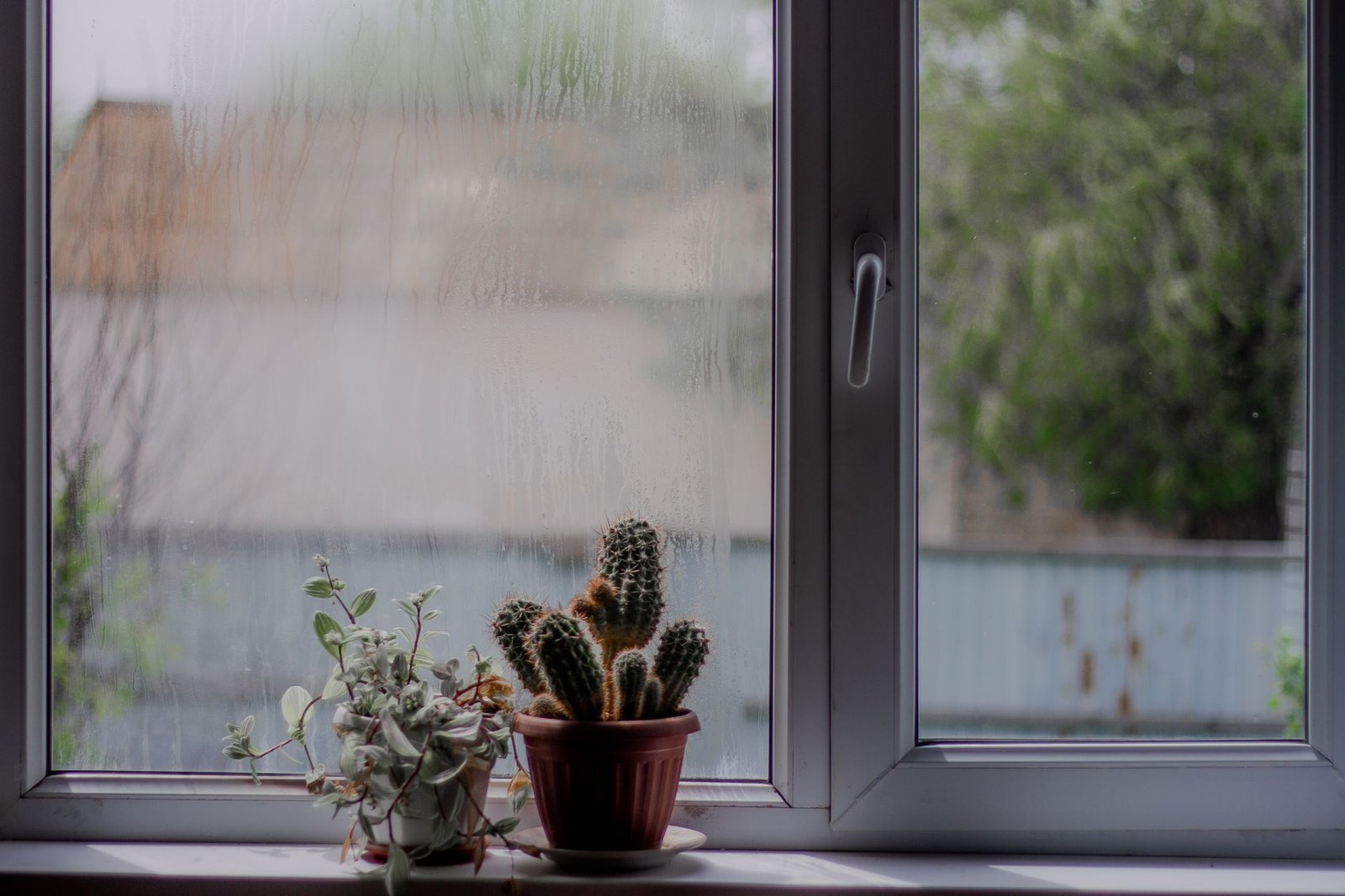
High indoor humidity can transform a comfortable living space into an unpleasant environment, fostering mold growth, exacerbating allergies, and leading to structural damage over time. Fortunately, reducing excessive moisture does not always necessitate an energy-intensive dehumidifier. This article explores five effective, natural methods homeowners can employ to achieve a drier, healthier indoor climate, leveraging simple household items and thoughtful practices to enhance domestic comfort and prevent common humidity-related issues.
Understanding Indoor Humidity and Its Impact
Indoor humidity levels ideally range between 30% and 50%. When these levels consistently exceed 60%, conditions become ripe for a host of problems. Beyond the clammy feeling and stale odors, high humidity encourages the proliferation of dust mites, mold, and mildew, all detrimental to indoor air quality and occupant health. For homeowners prioritizing wellness and sustainable living in 2026, understanding and managing indoor moisture naturally is a key aspect of modern home maintenance.
The Role of Ventilation and Airflow
Effective air circulation is fundamental to humidity control. Stagnant air allows moisture to accumulate, particularly in areas with limited light or ventilation. Modern home designs and smart technologies are increasingly integrating passive and active ventilation strategies to address this, but simple, natural methods remain highly effective for any residence.
1. Enhance Natural Ventilation
One of the most straightforward methods to combat indoor humidity involves optimizing natural airflow. Cross-ventilation, achieved by opening windows and doors on opposite sides of a residence, can rapidly exchange moist indoor air with drier outdoor air. This is particularly effective during cooler, drier parts of the day. In 2026, many homes feature advanced smart ventilation systems that can automatically detect humidity levels and open vents or activate fans. However, even without such systems, strategic manual ventilation remains a potent tool.
- Strategic Window Opening: Opening windows in areas prone to moisture, such as bathrooms after a shower or kitchens during and after cooking, is crucial. For whole-home effectiveness, creating a cross-breeze by opening windows on opposing walls can significantly reduce overall humidity.
- Door Management: Keeping interior doors open when possible allows air to circulate freely between rooms, preventing moisture from becoming trapped in isolated spaces.
- Ceiling Fans and Portable Fans: While not directly removing moisture, fans help circulate air, promoting evaporation from surfaces and creating a perceived cooling effect, making the air feel less humid. Modern ceiling fans often incorporate energy-efficient DC motors, offering quiet operation and minimal energy consumption.
2. Utilize Hygroscopic Materials and Plants
Certain natural materials possess hygroscopic properties, meaning they can absorb and release moisture from the air, acting as natural humidity regulators. This principle is increasingly being explored in 2026 construction with innovative building materials.
- Natural Absorbents:
- Charcoal: Activated charcoal is a highly porous material renowned for its absorption capabilities. Placing bowls of activated charcoal in damp areas can help draw moisture from the air.
- Rock Salt (Himalayan Salt Lamps): Large chunks of rock salt or even decorative Himalayan salt lamps have a natural affinity for water molecules. As moisture is absorbed, it can be gently released when the air becomes drier, creating a self-regulating effect.
- Silica Gel: While often associated with small packets in packaging, bulk silica gel can be used in mesh bags in closets or cupboards to absorb excess moisture. Modern silica gels are often rechargeable, meaning they can be dried out and reused.
- Humidity-Absorbing Plants: Certain houseplants are known for their ability to absorb moisture through their leaves. Plants like Peace Lilies, Boston Ferns, and Spider Plants are excellent choices. Not only do they naturally process moisture, but they also enhance indoor air quality and add aesthetic appeal.
3. Manage Moisture-Producing Activities
Many daily household activities contribute significantly to indoor humidity. Conscious management of these activities can drastically reduce the overall moisture load.
- Kitchen Practices:
- Cover Pots While Cooking: Covering pots and pans while cooking not only speeds up cooking but also traps steam, preventing it from escaping into the kitchen air.
- Use Exhaust Fans: Always use range hood exhaust fans when cooking, especially when boiling water or steaming food. Ensure these fans are properly vented to the outside, not just recirculating air within the kitchen.
- Bathroom Habits:
- Shorten Showers: Reducing shower duration and opting for cooler water temperatures can minimize steam production.
- Use Exhaust Fans: Bathroom exhaust fans should be run during and for at least 15-20 minutes after showering to effectively remove moisture. Regular cleaning of fan vents ensures optimal performance.
- Laundry Management:
- Vent Clothes Dryers Outside: Ensure clothes dryers are properly vented to the outdoors. Indoor venting can dump gallons of water vapor into the home.
- Avoid Indoor Line Drying: If possible, dry laundry outdoors or in a well-ventilated area with an open window. Air-drying clothes indoors, especially large loads, releases substantial moisture.
4. Optimize Drainage and Landscaping
External factors play a significant role in indoor humidity. Proper exterior drainage and thoughtful landscaping can prevent moisture from entering the residence in the first place.
- Gutter Maintenance: Regularly cleaning gutters and ensuring downspouts direct water away from the foundation prevents water from pooling near the home, which can seep into basements or crawl spaces.
- Foundation Grading: Ensure the ground around the foundation slopes away from the residence. This prevents rainwater from collecting and potentially wicking into the foundation.
- Strategic Landscaping: Planting moisture-loving plants or dense shrubs too close to the foundation can trap moisture against the exterior walls. Consider native, drought-tolerant plants or maintain a clear perimeter around the foundation. In 2026, permeable paving solutions are also gaining traction, allowing rainwater to infiltrate the ground rather than running off towards structures.
5. Insulate and Seal Against Moisture Ingress
Preventing external moisture from entering the home and minimizing condensation points are crucial for long-term humidity control. Modern building science in 2026 emphasizes a holistic approach to the building envelope.
- Seal Air Leaks: Cracks around windows, doors, and utility penetrations allow moist outdoor air to infiltrate the home. Sealing these gaps with caulk or weatherstripping creates a tighter building envelope.
- Insulation Improvements: Adequate insulation in attics, walls, and crawl spaces helps maintain a stable indoor temperature, reducing surface condensation. Modern insulation materials, including advanced foam boards and high-R-value cellulose, offer superior thermal and moisture resistance.
- Vapor Barriers: In basements and crawl spaces, installing a vapor barrier can significantly reduce moisture migration from the ground into the living spaces. Encapsulating crawl spaces with heavy-duty polyethylene sheeting is a highly effective modern practice.
Conclusion
Achieving a comfortable and healthy indoor environment with optimal humidity levels is entirely attainable without relying solely on mechanical dehumidification. By embracing natural ventilation, strategically deploying hygroscopic materials, diligently managing household moisture sources, optimizing exterior drainage, and ensuring a well-sealed and insulated building envelope, homeowners can significantly reduce indoor humidity. These thoughtful, proactive measures not only contribute to a more pleasant living experience but also safeguard the structural integrity of the residence and promote long-term occupant wellness. Integrating these natural approaches reflects a commitment to sustainable living and a deeper understanding of home comfort in 2026.