
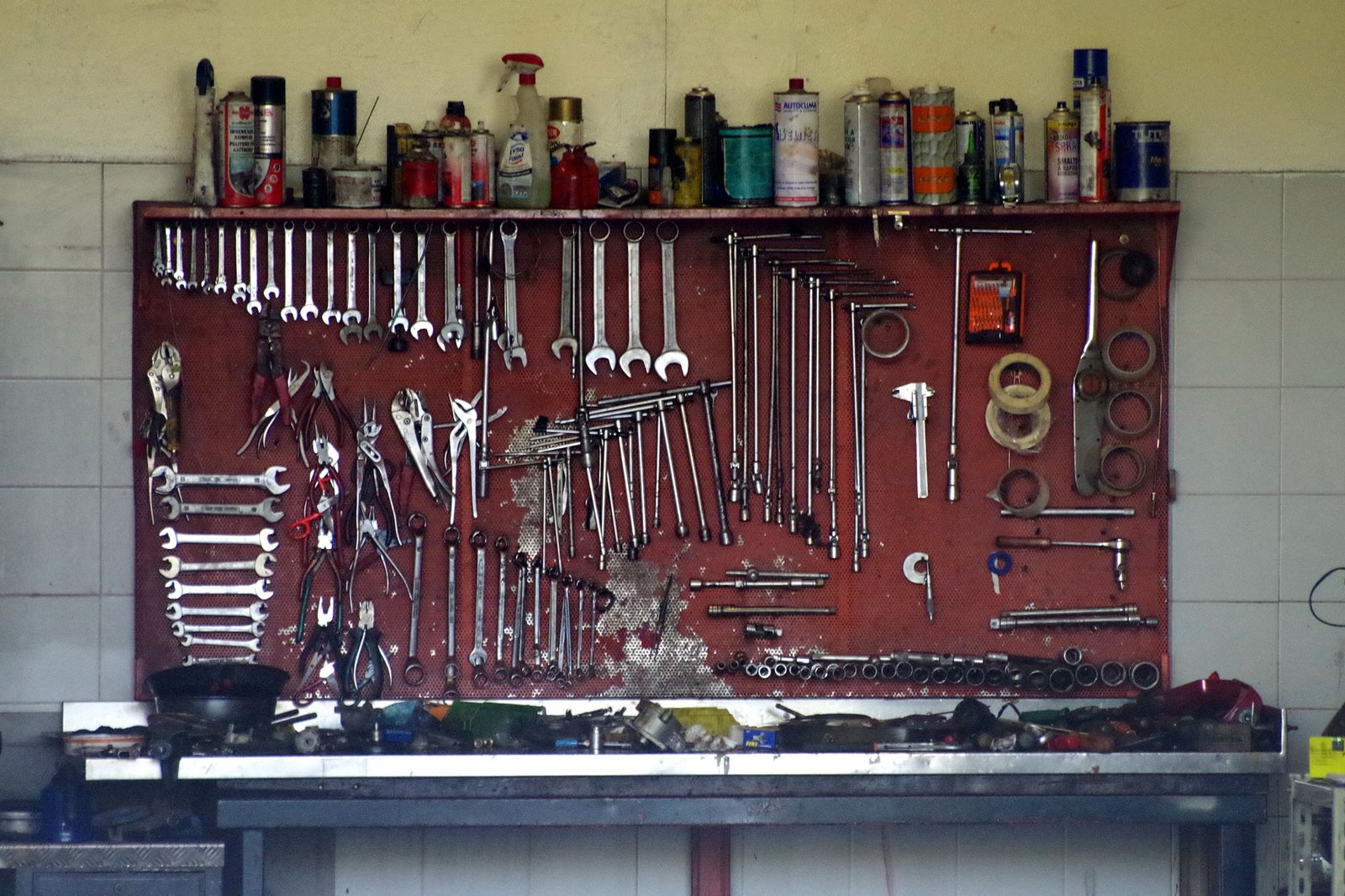
When planning garage organization systems in 2026, homeowners frequently weigh the merits of pegboard against slatwall for tool storage. Both systems offer effective solutions for decluttering and optimizing vertical space; however, the optimal choice hinges on specific needs regarding durability, versatility, ease of installation, and cost-effectiveness. Generally, slatwall provides a more robust and aesthetically refined solution for heavier items, while pegboard remains an adaptable and budget-friendly option, especially with modern material advancements.
Understanding the Contenders in 2026
The landscape of garage organization has evolved considerably, with manufacturers in 2026 offering enhanced versions of both pegboard and slatwall systems. Understanding these modern iterations is crucial for an informed decision.
Pegboard Systems: The Enduring Classic
Pegboard, a long-standing favorite, is characterized by its evenly spaced holes designed to accommodate various hooks and accessories. Traditionally made from tempered hardboard, 2026 sees a diversification into more robust materials. High-density polyethylene (HDPE) pegboards are gaining traction for their moisture resistance and enhanced durability, ideal for fluctuating garage environments. Steel pegboard options also provide superior strength and a modern industrial aesthetic, often incorporating magnetic strips or integrated LED backlighting. A significant trend for 2026 involves the use of recycled and composite materials, offering homeowners sustainable choices without compromising on functionality.
Pegboard’s primary appeal lies in its simplicity and the sheer volume of compatible accessories available, making it highly customizable for a wide array of hand tools and smaller items. The ease with which hooks can be rearranged allows for dynamic organization as a tool collection evolves.
Slatwall Systems: The Premium Solution
Slatwall, also known as slot wall, features horizontal grooves into which specialized hooks, shelves, bins, and even small cabinets can be inserted and locked securely. The materials available in 2026 range from durable PVC and laminated MDF to lightweight yet exceptionally strong aluminum. Modern polymer composites are also entering the market, boasting increased UV resistance and impact absorption, making them suitable for demanding garage conditions.
A notable trend for slatwall in 2026 includes integrated smart features, such as power strips built directly into panels or even compatibility with smart home systems for inventory tracking. The visual appeal of slatwall is often considered superior, providing a clean, contemporary look that can elevate the overall aesthetic of a garage space, contributing to a premium home environment.
Comparative Analysis for the Modern Garage
Evaluating these systems requires a close look at their performance across several key metrics pertinent to homeowners in 2026.
Durability and Load Bearing
Pegboard: Standard hardboard pegboard can be susceptible to moisture damage, warping, or sagging under heavy loads. However, modern steel and HDPE versions offer significantly improved durability and moisture resistance. While steel pegboard can hold substantial weight, the individual hooks typically have lower weight limits compared to slatwall accessories. For heavy-duty applications, specialized reinforcement might be necessary, or the homeowner must carefully distribute weight.
Slatwall: Generally offers superior load-bearing capacity, especially with aluminum or high-density PVC/MDF panels. The design of slatwall accessories, which often distribute weight across a wider area within the grooves, allows for the secure storage of heavier power tools, larger equipment, and bulkier items without risk of deformation. The advanced polymer composites available in 2026 further enhance this capability, ensuring long-term structural integrity even in active workshops.
Versatility and Adaptability
Pegboard: Offers unparalleled flexibility for organizing small hand tools, craft supplies, and lighter items due to the vast array of available hooks, clips, and bins. The ability to quickly reconfigure accessories allows for immediate adaptation to changing organizational needs. This makes pegboard highly adaptable for dynamic, frequently used toolsets.
Slatwall: Provides broad versatility, accommodating a wider range of accessory types including robust shelves, large baskets, and even specialty racks for bikes or tires. While the individual slots are less granular than pegboard holes, the system allows for significant customization through the horizontal movement of accessories, facilitating organization of both small and larger, irregularly shaped items. Integrated systems often offer more comprehensive storage solutions, including cabinets that mount directly to the slatwall.
Ease of Installation
Pegboard: Typically simpler to install. Lighter materials like hardboard or HDPE panels can be mounted directly onto wall studs or furring strips. This can be a straightforward DIY project for the resident with basic tools. Steel pegboard, while heavier, also follows a similar installation methodology.
Slatwall: Can be more involved to install, particularly with heavier MDF or aluminum panels. Precise leveling is crucial to ensure accessories fit correctly and the finished look is seamless. While some modular slatwall systems introduced in 2026 simplify the process, larger installations may benefit from professional assistance to ensure proper alignment and weight distribution.
Cost-Effectiveness and ROI
Pegboard: Generally represents a lower initial investment. Basic hardboard panels and standard hooks are very economical, making it an attractive option for homeowners on a tighter budget. Even modern HDPE or steel systems remain competitively priced, offering good value for their enhanced durability. The return on investment comes from improved organization and space utilization at a minimal cost.
Slatwall: Commands a higher initial cost due to the materials, manufacturing complexity, and specialized accessories. However, the perceived value, superior aesthetics, and robust durability can contribute positively to a home’s overall value, especially in 2026 where organized, functional spaces are highly sought after. For residents planning long-term homeownership or seeking a more premium garage aesthetic, the higher upfront cost may be justified by the enhanced functionality and resale appeal.
Key Considerations for Homeowners in 2026
Making the optimal choice also involves evaluating specific environmental and functional parameters.
Garage Environment
Consider the typical conditions within the garage. If the space experiences significant humidity fluctuations, a moisture-resistant material like PVC or aluminum slatwall, or HDPE pegboard, would be more suitable than traditional hardboard pegboard which can warp or degrade.
Tool Collection Size and Weight
An assessment of the tools to be stored is paramount. For a collection dominated by heavy power tools, automotive equipment, or garden machinery, slatwall’s superior load capacity offers a more secure and reliable solution. For a large assortment of hand tools, gardening implements, or craft supplies, pegboard’s fine-grained customization may be more effective.
Aesthetics and Resale Value
In 2026, a well-organized and visually appealing garage can significantly enhance a home’s market value. Slatwall systems often present a more polished, contemporary, and integrated look that aligns with modern interior design trends. While pegboard can be neat, slatwall typically offers a more upscale finish, which can be a deciding factor for homeowners prioritizing aesthetics and future resale.
Sustainability and Material Choices
With increasing emphasis on environmental responsibility in 2026, homeowners might prefer systems made from recycled plastics or sustainably sourced wood composites. Both pegboard and slatwall manufacturers are responding to this demand, offering eco-conscious material options that do not compromise performance.
Conclusion
Determining whether pegboard or slatwall is ‘better’ for garage tool storage in 2026 ultimately depends on the specific priorities of the homeowner. For those prioritizing a budget-friendly, highly adaptable system for a wide array of lighter tools and frequent reconfigurations, modern pegboard systems, particularly those made from steel or HDPE, remain an excellent choice. Conversely, for residents seeking a premium, high-capacity, and aesthetically superior organization solution capable of securely holding heavier equipment and enhancing the overall look of the garage, slatwall systems, with their advanced materials and comprehensive accessories, represent the stronger investment.
A thoughtful evaluation of the garage environment, the nature of the tool collection, budget constraints, and aesthetic preferences will guide the homeowner toward the storage solution that best meets their specific needs for efficient and durable garage organization.