Small Bedroom Feels Boxy? 7 Layouts to Open It Up in 2026
A small, boxy bedroom can often present a design challenge, feeling confined rather than cozy. However, transforming such a space into an open, inviting sanctuary is entirely achievable without extensive renovations. This article explores clever furniture arrangements and decor strategies, incorporating cutting-edge trends and material innovations for 2026, designed to create an expansive feel. By implementing these expert layouts, the resident can significantly enhance the perception of space and comfort within a compact footprint.
The Illusion of Space: Core Principles for 2026
Before diving into specific layouts, understanding the foundational principles that make a small room feel larger is crucial. These tenets are timeless but gain new dimensions with 2026’s advancements:
- Visual Lightness: Opt for furniture with slender legs, transparent elements (like acrylic), or wall-mounted designs. Heavy, floor-hugging pieces can make a room feel denser.
- Multi-Functionality: Every item should ideally serve more than one purpose. This trend is amplified in 2026 with smart, adaptive furniture solutions.
- Verticality: Drawing the eye upwards can extend a room’s perceived height. Think tall, narrow storage and floor-to-ceiling drapery.
- Light and Mirrors: Maximizing natural light and strategically placing mirrors are classic tricks, now enhanced by smart lighting systems and reflective materials.
- Color Palettes: Light, cool, and neutral colors tend to recede, making walls appear further away. Warm neutrals and biophilic accents are trending in 2026 for comfort.
7 Expert Furniture Layouts to Transform Boxy Bedrooms
These strategic arrangements leverage spatial psychology and modern design to maximize a compact bedroom’s potential.
1. The Floating Bed Arrangement
Often, the instinctive placement for a bed is against the longest wall. However, allowing the bed to ‘float’ by positioning it a few inches or even a foot away from the wall, or placing it centrally in a larger small room, can dramatically alter the perception of space. This creates an immediate walkway behind the headboard, allowing light to flow and breaking the rigid ‘boxy’ feel. The resident can then use the space behind for discreet, shallow shelving or as a conduit for hidden cables. For 2026, consider beds with integrated smart features, such as under-bed ambient lighting that responds to motion or seamlessly integrated wireless charging pads within the headboard, further minimizing clutter and maximizing functionality in the newly created ‘float’ zone.
2. The Corner Embrace
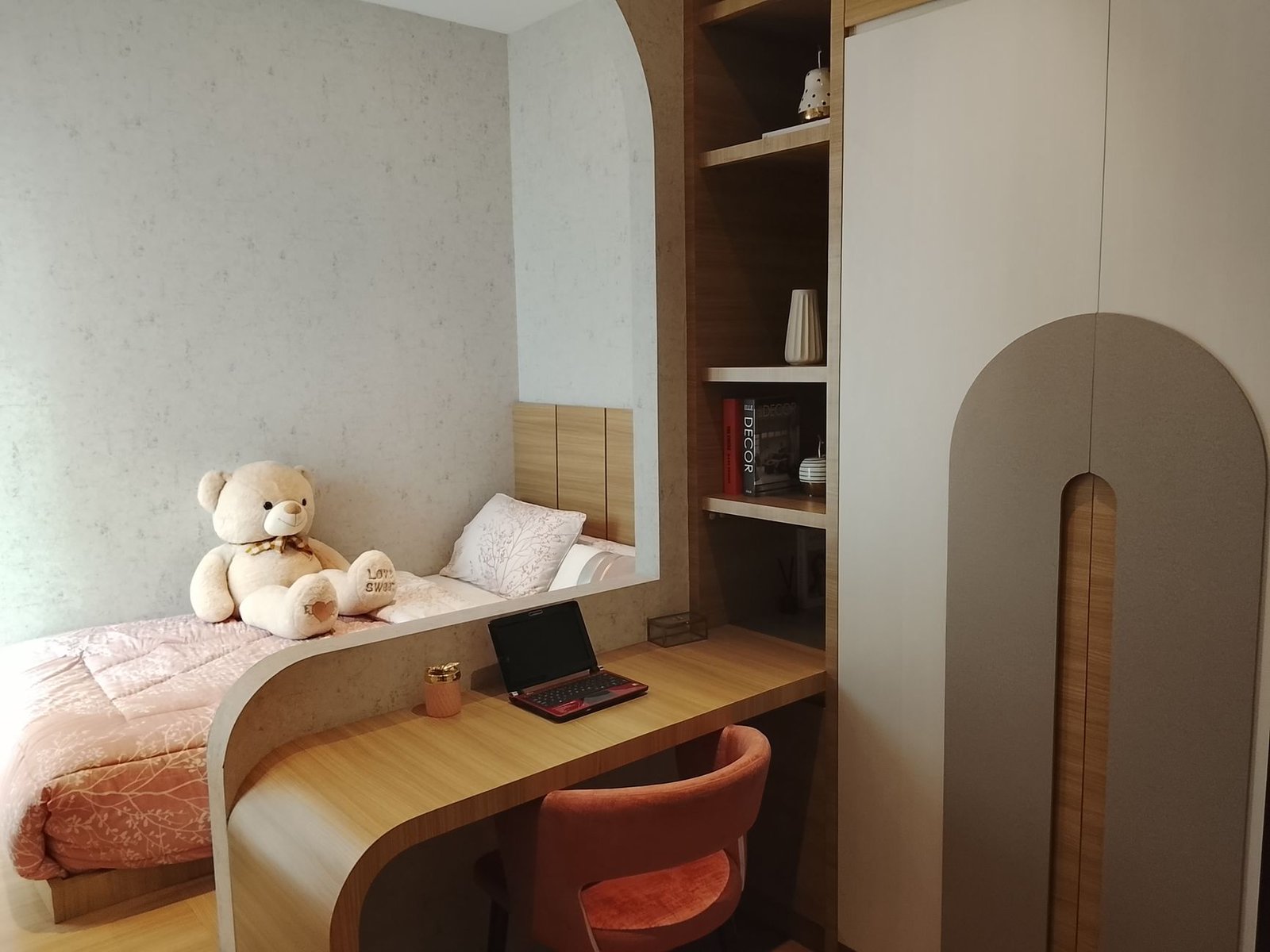
For exceptionally small or unusually shaped rooms, tucking the bed into a corner can liberate significant floor space. This involves placing one side and the headboard against two perpendicular walls. While it might seem counterintuitive to push furniture into a corner, it consolidates the largest item, creating expansive open areas elsewhere. Corner-oriented bed designs, often featuring built-in shelving or drawers, are increasingly popular in 2026, utilizing modular components made from sustainable bamboo or recycled composite materials. The design can be softened with rounded headboards or a custom-built banquette-style frame.
3. Vertical Dominance Strategy
When horizontal space is limited, the only way is up. Employing tall, narrow furniture pieces draws the eye vertically, giving the impression of higher ceilings and more generous dimensions. This includes floor-to-ceiling wardrobes, narrow bookshelves, or wall-mounted shelving units. In 2026, slimline smart storage towers with seamless tech integration, perhaps featuring hidden compartments or pull-out desks, are key. Leveraging wall space for floating bedside tables or sconce lighting further reduces floor clutter, maintaining a streamlined aesthetic.
4. Multi-Functional Marvels
The hallmark of smart small-space design, multi-functional furniture is evolving rapidly. Instead of separate pieces for sleeping, working, and storage, consider items that adapt. A bed with integrated storage drawers, an ottoman that doubles as a seating area and storage chest, or a fold-down desk that disappears into a wall unit when not in use are excellent examples. For 2026, adaptive furniture that seamlessly shifts purpose, perhaps with voice control or app integration, aligns with future living. Think Murphy beds that reveal a sofa or workspace upon retraction, incorporating advanced robotics for smooth operation.
5. Strategic Zone Creation
Even in a small room, defining distinct zones can make the space feel more intentional and organized, rather than a single box. This can be achieved subtly using area rugs to delineate a sleeping area from a reading nook, or with low-profile shelving acting as a gentle room divider. Transparent or reconfigurable room dividers, such as frosted smart glass panels that can become opaque on command, or acoustically absorbent felt panels, are trending in 2026, offering flexibility and privacy without imposing visually. The goal is to create ‘rooms within a room’ that flow seamlessly.
6. Symmetry and Balance
A symmetrical layout can bring a calming sense of order and balance to a compact bedroom, making it feel more expansive and less chaotic. This involves placing the bed centrally on a prominent wall and flanking it with identical nightstands, lamps, and perhaps framed artwork. The repetition creates a visually cohesive environment that feels less cluttered. Minimalist design with textured neutrals enhances this balance, utilizing materials like polished concrete accents or bio-based resins for furniture that contribute to a serene, orderly atmosphere. The predictability of symmetry can visually widen a narrow space.
7. The Minimalist Movement
Sometimes, the best layout is simply less. Adopting a minimalist approach involves carefully curating only the essential pieces of furniture and decor, leaving ample open space. This reduces visual clutter, allowing the room to breathe and feel significantly larger. Each item chosen should be intentional, high-quality, and contribute to the room’s function or aesthetic. The ‘invisible tech’ trend in 2026 means even minimalist spaces can be highly functional without visual clutter; charging stations, speakers, and even televisions can be integrated seamlessly into walls or furniture, maintaining clean lines.
Beyond Layouts: 2026 Decor & Material Innovations
Complementing clever layouts with thoughtful decor and cutting-edge materials can further amplify the sense of space.
Color & Texture
While light neutrals remain a staple, 2026 sees a shift towards warmer off-whites, soft grays, and biophilic palettes (greens, earthy tones) that bring comfort. Texture, rather than bold color, is used to add depth without making a space feel smaller. Think sustainable fabrics like recycled wool, linen, organic cotton, and bouclé for upholstery and bedding. Sound-absorbing textiles are becoming prevalent, contributing to a sense of calm and a more substantial feel in compact rooms.
Lighting
Adaptive, smart lighting systems are crucial for small spaces. Hidden LED strips can illuminate edges or architectural features, creating depth. Tunable white lighting, mimicking natural daylight cycles, is a standard in modern bedrooms, allowing the resident to adjust color temperature from warm to cool to influence mood and perception of space. Maximizing natural light with sheer, flowing drapery is always a priority.
Mirrors & Reflective Surfaces
Strategic placement of large mirrors opposite windows or in narrow hallways can work wonders, reflecting light and views to double the perceived size of a room. Mirrored furniture, such as nightstands or wardrobe panels, can also contribute. In 2026, smart mirrors with integrated digital displays or switchable privacy glass are emerging, adding both function and futuristic flair without sacrificing spaciousness.
Biophilic Design
Integrating elements of nature into the bedroom design can create a calming and expansive feel. Indoor plants, especially those with slender, upright forms, introduce life and color without taking up much space. Natural wood tones for furniture, organic shapes, and patterns inspired by nature are also trending. Vertical gardens and automated plant care systems are increasingly accessible, offering green accents even in the smallest footprints.
Art & Personalization
Instead of numerous small items, a few carefully chosen, impactful pieces of art or decor can prevent clutter while adding character. A single large piece of artwork on a prominent wall can anchor the room. Digital art displays that change with mood or time of day offer dynamic personalization without adding physical items. Curated selections of personal items ensure the room reflects the resident’s personality without overwhelming the space.
Conclusion
Transforming a small, boxy bedroom into a spacious and inviting retreat is a journey of thoughtful design and strategic choices. By embracing these seven expert furniture layouts and integrating the innovative materials and trends of 2026, the homeowner can unlock the full potential of their compact space. The emphasis is on creating visual flow, maximizing functionality through smart and multi-purpose pieces, and employing decor that amplifies light and texture. Experimentation with these principles will lead to a bedroom that feels anything but boxy, offering comfort and style within its intimate dimensions.