In 2026, the optimal wall art for small spaces prioritizes strategic design, thoughtful scale, and innovative materials to create depth and visual interest without overwhelming confined areas. The goal is to enhance small rooms by fostering an illusion of expansiveness and sophistication. Selecting the right pieces can transform a compact environment from cramped to cozy, from cluttered to curated, making every inch of wall space count.
Understanding Small Space Dynamics for Wall Art Selection
Effectively furnishing a compact interior requires an understanding of its unique visual dynamics. Wall art, when chosen and placed judiciously, can become a powerful tool for manipulating perception.
The Illusion of Depth and Light
For smaller rooms, leveraging light and reflection is paramount. Art pieces that incorporate lighter color palettes, especially those with reflective or semi-transparent elements, can significantly contribute to an open and airy feel. In 2026, a notable trend involves artworks utilizing specialized acrylics and polished metals that subtly bounce ambient light, thereby expanding the perceived dimensions of the room. Transparent art forms, such as those made from etched glass or clear resins, allow the wall color to show through, creating a layered effect that suggests depth rather than solidity.
Scale and Proportion are Paramount
A common misconception when decorating small spaces is that all elements must be miniature. In reality, one strategically placed, larger artwork can often be more impactful and less visually disruptive than multiple small pieces. A single, commanding piece draws the eye and provides a focal point, simplifying the visual landscape. The resident should consider the wall’s dimensions and the surrounding furniture to ensure the artwork’s scale complements, rather than competes with, its environment. A piece occupying approximately two-thirds of the available wall space above a sofa or console typically achieves optimal proportion.
Top Wall Art Trends and Materials for Small Spaces in 2026
The evolving landscape of interior design in 2026 introduces novel approaches and materials perfectly suited for enhancing compact living.
Minimalist and Abstract Forms
Clean lines, geometric shapes, and abstract compositions continue to dominate in small space aesthetics. These forms reduce visual clutter, allowing the eye to rest and preventing a sense of overwhelm. Current trends favor artworks with subtle textures, often achieved through matte finishes, plaster art, or bio-resin compositions, which add tactile interest without introducing visual noise. Neutral palettes with occasional pops of muted color remain popular, ensuring versatility and longevity in design.
Reflective and Translucent Artworks
Beyond traditional mirrors, 2026 sees the rise of artistic interpretations of reflective surfaces. Deconstructed mirror art, where fragmented or shaped reflective panels create a dynamic display, adds light and visual intrigue. Materials like polished stainless steel, custom-tinted acrylics, and specialized dichroic glass are increasingly being used in wall art to create pieces that subtly shift in appearance with changing light, offering an ever-evolving visual experience. These materials are invaluable for their ability to reflect available light and make a room feel larger and brighter.
Integrated and Multi-Functional Pieces
Innovation in small space living often merges form and function. Wall art in 2026 increasingly integrates practical elements. Examples include slim-profile digital art displays that offer a rotating gallery of images without consuming physical space, or art pieces that cleverly conceal shallow storage compartments. Furthermore, aesthetically pleasing acoustic panels, designed to look like abstract art, are gaining traction, providing both visual appeal and sound dampening benefits crucial for creating calm in smaller, often echo-prone rooms.
Biophilic and Sustainable Art
Connecting with nature remains a strong theme, particularly in urban compact homes. Preserved moss walls, intricate botanical prints framed with sustainable materials, and elegant displays of dried floral arrangements encased in glass are popular choices. These biophilic elements introduce organic textures and calming greens without requiring ongoing maintenance. Materials like reclaimed wood, recycled polymers, and natural fibers are prevalent, aligning with a broader emphasis on environmental consciousness and sustainable home decor solutions.
Strategic Placement and Curation for Maximum Impact
Even the most exquisite artwork can lose its charm if not positioned thoughtfully. Optimal placement is crucial for enhancing small spaces.
Verticality and Eye-Level Engagement
Drawing the eye upwards is an effective strategy for creating an illusion of height. Tall, narrow artworks or a vertically arranged series of pieces can lead the gaze upward, making walls appear taller. Moreover, art should generally be hung at eye level for an average viewer. When determining placement, the center of the artwork or the center of a gallery grouping should ideally be around 57-60 inches from the floor, ensuring comfortable viewing.
Gallery Walls Reinvented
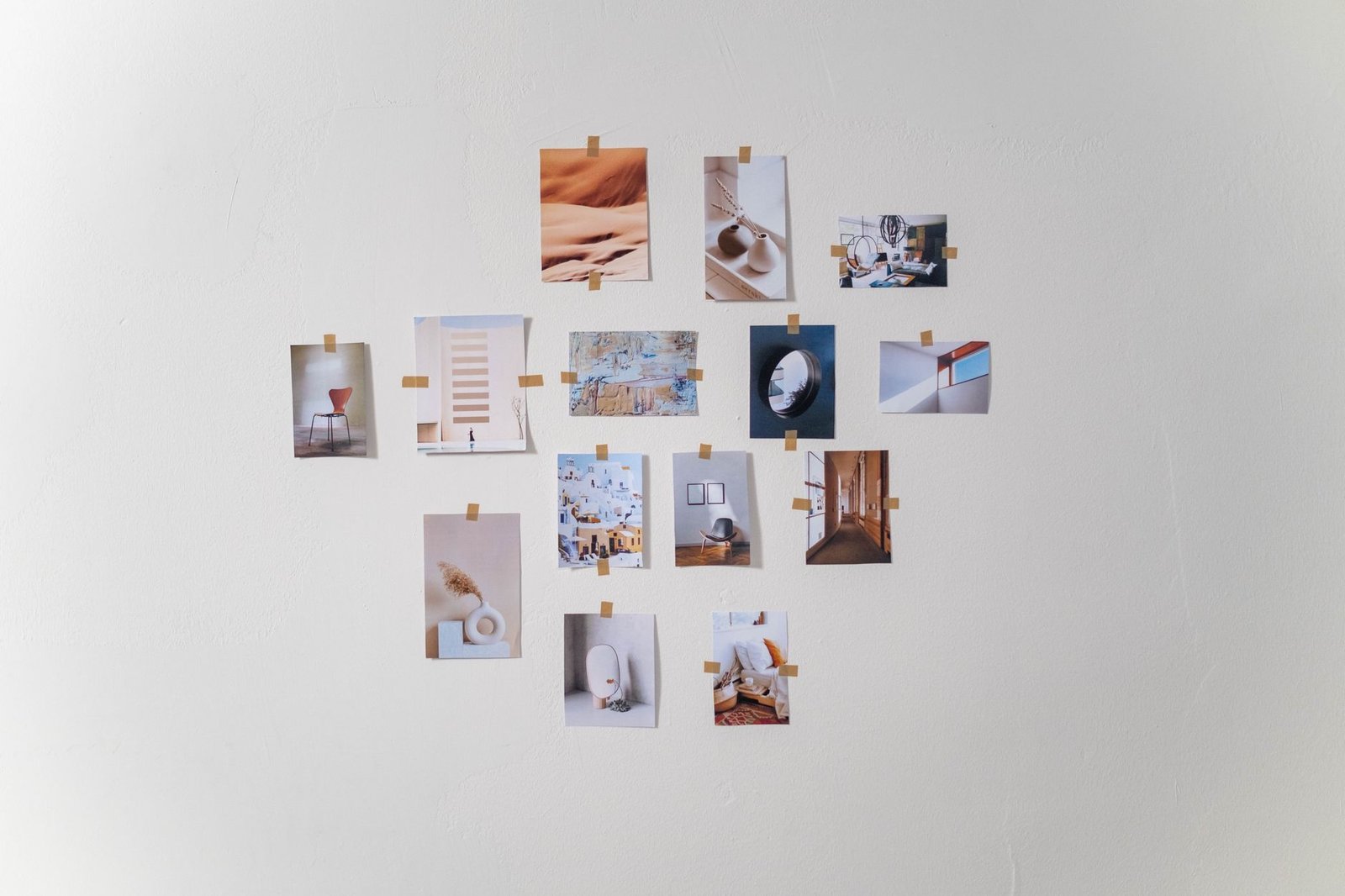
While often associated with larger spaces, gallery walls can be highly effective in small rooms when executed with precision. The 2026 approach emphasizes curation: selecting pieces with a cohesive theme, a monochromatic or limited color palette, and consistent framing. Instead of overwhelming a wall with disparate items, a tightly curated gallery wall creates a singular, impactful statement. Digital planning tools and mock-ups are frequently employed to visualize the layout before committing to installation, ensuring harmony and balance.
The Power of a Single Statement Piece
For residents who prefer a less-is-more approach, a singular, large statement piece can define a small room. The impact comes from its scale and artistic presence, rather than a multitude of smaller distractions. Choosing art with expansive landscapes, deep abstract compositions, or highly textural elements can create a window-like effect, drawing the viewer into the artwork and momentarily expanding the room’s perceived boundaries. The subject matter itself can contribute to the feeling of openness.
Lighting the Artwork
Subtle, integrated lighting can dramatically enhance wall art in small spaces without consuming valuable floor or surface area. LED picture lights, discreet track lighting, or even strategically placed cove lighting can highlight artworks, adding depth, dimension, and an inviting ambiance. The careful illumination of art ensures it stands out as a focal point, drawing attention away from the room’s modest size and towards its artistic elements.
Ultimately, the best wall art for small spaces in 2026 involves a discerning eye for scale, an appreciation for modern material innovations, and a commitment to strategic placement. By focusing on pieces that enhance light, introduce depth, and align with minimalist or multi-functional design principles, the homeowner can transform compact interiors into highly personalized, sophisticated, and visually expansive environments. Small spaces are not limitations but rather opportunities for intentional and impactful design choices, reflecting the resident’s unique aesthetic while maximizing every square foot.